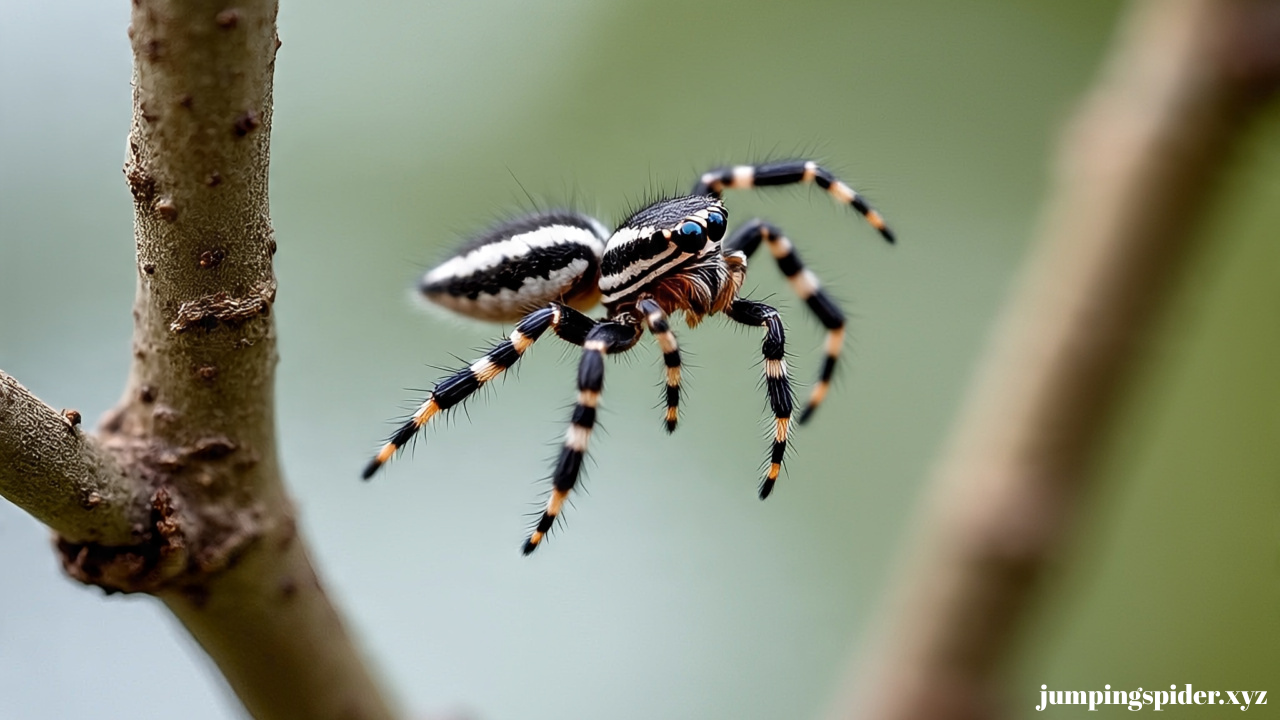
Maintaining the humidity level for jumping spider is one of the most important aspects of proper spider care. Jumping spiders are highly sensitive to their environment, and incorrect humidity can lead to dehydration, stress, and even fungus growth in their terrarium. Understanding the ideal moisture levels allows spider owners to create a healthy jumping spider habitat that promotes natural behaviors, successful molting, and active feeding.

Tools like hygrometers, proper substrate management, and misting techniques make it easier to maintain a consistent environment. Small adjustments in ventilation and terrarium setup can prevent fungus and mold, keeping your spider safe and active. This comprehensive guide will provide detailed tips on jumping spider care, including how to measure and maintain the correct humidity, strategies to prevent fungus, and ways to enhance your spider’s overall wellbeing, ensuring a thriving, engaging terrarium environment.
Correct humidity level for jumping spider prevents fungus
The humidity level for jumping spider is a key factor in keeping your spider healthy. Maintaining proper humidity ensures hydration, supports molting, and prevents fungus or mold growth in the enclosure. Too low humidity can cause dehydration, lethargy, and molting difficulties, while excessive humidity encourages fungus and bacterial growth, which can seriously harm your spider.
Tools & techniques:
- Hygrometers: Digital or analog, placed at spider activity level
- Substrate monitoring: Keep it slightly moist but not wet
- Misting: Light daily misting to maintain consistent moisture
0Why this matters: Consistent proper humidity creates a healthy jumping spider habitat. Spiders are more active, feed better, and molt successfully when moisture levels are stable. Avoiding fluctuations prevents stress, fungus, and unhealthy conditions in the terrarium. Using natural elements like moss or live plants also helps retain humidity, adding both functionality and beauty to the spider’s environment.
Understanding Jumping Spider Humidity
Humidity measures the moisture content in air. For spiders, proper jumping spider humidity ensures hydration, supports metabolic functions, and reduces stress. Incorrect humidity can cause visible health issues, such as shriveled abdomens or lethargy. High humidity without proper ventilation encourages fungus and mold, which can endanger the spider.
Symptoms of improper humidity:
- Dry, shrunken abdomen
- Reduced activity
- Moldy substrate
- Difficulty molting
Maintaining consistency:
- Use a hygrometer to track daily levels
- Mist lightly to adjust low humidity
- Ensure proper airflow to prevent stagnant air
Understanding humidity’s role allows you to maintain a balanced environment, reducing the risk of fungus while promoting a safe and comfortable habitat.
Ideal Humidity Level for Jumping Spiders
The ideal humidity level for jumping spider depends on the species. Most spiders thrive between 50–70%, though tropical species may prefer slightly higher levels. Maintaining this range supports hydration, molting, and activity while preventing fungus.
Tips for maintaining ideal humidity:
- Regular hygrometer readings
- Light misting to adjust moisture
- Ventilated terrarium to prevent condensation
Ideal Humidity for Common Species
| Species | Humidity Range | Notes |
|---|---|---|
| Phidippus audax | 50–60% | Standard care |
| Marpissa muscosa | 55–65% | Slightly higher humidity |
| Habronattus spp. | 50–70% | Tropical species preference |
By keeping humidity in the correct range, you create a healthy jumping spider habitat that encourages activity, reduces stress, and prevents fungus formation.
How to Measure Humidity in a Terrarium
Measuring the humidity level for jumping spider is crucial. Use a digital or analog hygrometer, placing it near where the spider spends most of its time. Avoid locations near water dishes or heating elements. Daily readings allow you to notice trends and make timely adjustments.
Tips:
- Calibrate hygrometer for accuracy
- Record daily humidity levels
- Adjust misting or ventilation based on readings
Regular monitoring ensures a consistent environment, reducing stress, improving feeding, and preventing fungus in the terrarium.
Methods to Maintain Correct Humidity
Maintaining the humidity level for jumping spider requires a combination of techniques:
- Misting: Light, controlled sprays daily
- Substrate: Slightly damp soil or moss; avoid water pooling
- Ventilation: Proper airflow prevents stagnant air and fungus
- Plants & moss: Retain moisture naturally and enhance terrarium aesthetics
Using these strategies, spider owners can maintain a balanced microclimate, ensuring spiders remain active, hydrated, and fungus-free.
Common Mistakes and How to Avoid Them
Many hobbyists unintentionally compromise jumping spider humidity:
- Over-misting: Leads to excess moisture and fungus
- Poor ventilation: Stagnant air encourages mold growth
- Incorrect substrate: Holds too much water
- Ignoring fluctuations: Stresses the spider
Avoid these mistakes by monitoring daily, managing substrate moisture, and using proper ventilation. This ensures a safe, fungus-free environment for your spider.
Fungus Prevention in Jumping Spider Terrariums
Fungus forms when humidity is too high or stagnant. Maintaining the humidity level for jumping spider within the ideal range is essential. Regular cleaning, substrate replacement, and airflow management prevent mold. Adding natural antifungal agents like charcoal or moss can further reduce risk. A properly managed terrarium keeps spiders active, hydrated, and fungus-free.
Feeding & Hydration Related to Humidity
Proper jumping spider humidity directly affects feeding behavior and hydration. Hydrated spiders are more active and feed more efficiently. High or low humidity can reduce appetite and stress spiders, impacting molting success. Maintaining moisture in the substrate, light misting, and access to water droplets ensures proper hydration and healthy feeding habits.
FAQs About Jumping Spider Humidity
Q1: What is the ideal humidity range?
- 50–70%, species-dependent.
Q2: How often should I mist the terrarium?
- Light daily misting as needed.
Q3: Can low humidity cause fungus?
- No, fungus arises from excessive humidity.
Q4: How can I maintain constant humidity?
- Use hygrometer, monitor substrate, and control misting.
Conclusion
Ensuring the humidity level for jumping spider is optimal is vital for a thriving, healthy spider. Proper moisture supports hydration, molting, activity, and reduces fungus risk. Inconsistent humidity can stress spiders, lower feeding, and promote mold. Regular hygrometer checks, controlled misting, substrate management, and ventilation create a healthy jumping spider habitat. Using moss and plants helps maintain natural moisture and adds aesthetic value.
By following these jumping spider care tips, you prevent common mistakes, encourage natural behaviors, and maintain a safe, fungus-free environment. Consistent attention to the terrarium transforms it into a thriving, engaging home where your spider remains active, hydrated, and healthy for years.