
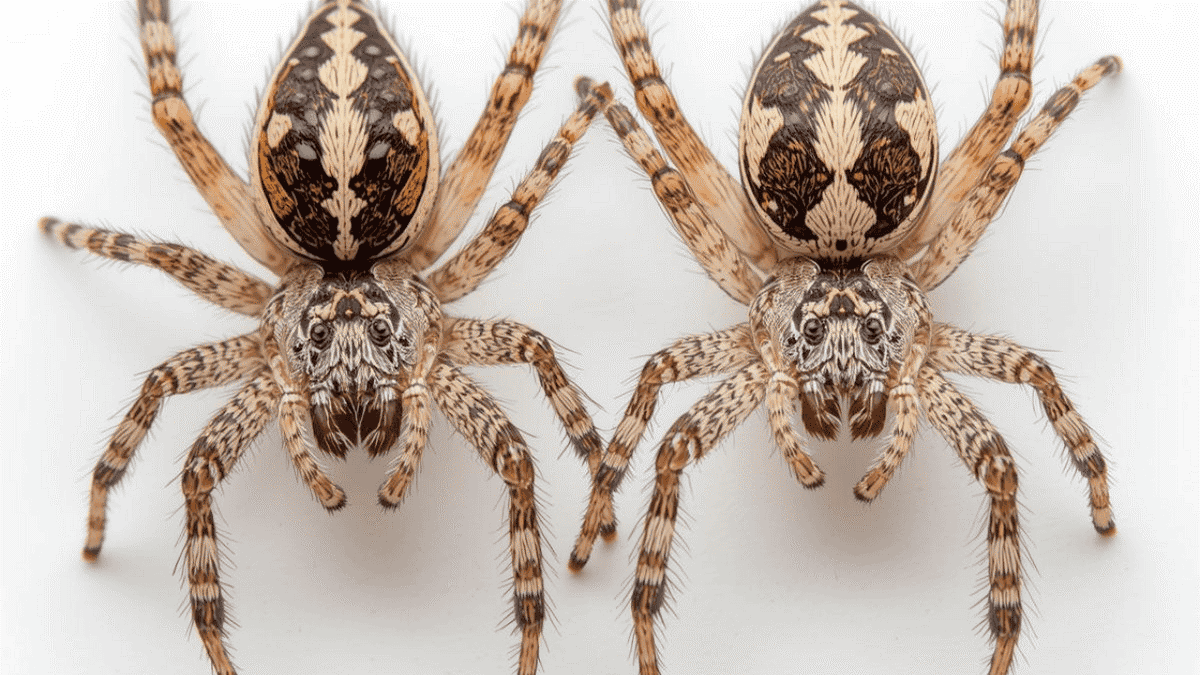
Bold Jumping Spider Introduction.
One of the most interesting arachnids in North America, particularly in the United States is the Bold Jumping Spider. Phidippus audax, as known scientifically, is a well known species due to its impressive looks, smart behavioral patterns and hunting prowess. The Bold Jumping Spider is a pet of many spider enthusiasts in the USA because of its docile nature and captivating character.
This guide will discuss all about the Bold Jumping Spider, its food, natural habitat and how it requires care. You will also get to know how this small but mighty predator manages to survive in the wild, and how it can be provided in the captivity to live well should it be well taken care of.
However, unlike most other spider species, the Bold Jumping Spider does not use webs as traps to prey. Rather it hunts actively using its great vision and jumping capability. This consequently has made it a favorite to the inexperienced in the exotic pet fraternity in the USA. Besides, it is surprisingly interactive, with its curious behavior that contrasts with other arachnids.
Before deciding to keep the Bold Jumping Spider as a pet, it is a must that one gets to know the habitat and diet of the spider. Using the example of what it feeds on in the wild will help you to reproduce a healthy feeding behaviors in the captivity. The article is thus practical, research based and easy to follow by a beginner and thus can be applied easily.
Also, this guide is oriented towards the USA readers as the Bold Jumping Spider is usually found in gardens, houses, and natural landscapes in the USA. Being a student, hobbyist, or a new pet owner, this material will assist you to get to know this interesting creature in a clear and professional manner.
What Is the Bold Jumping Spider?
The Bold Jumping Spider is a tiny yet very smart arachnid that is typical of North America, particularly in the United States. It is scientifically referred to as Phidippus audax and is under the family Salticidae. It is a very popular species, as it is renowned because of its distinct hunting style and curious character and is one of the most investigated jumping spiders in the USA.
Also, one can easily identify the Bold Jumping Spider with its small body and unique patterns. The majority of them are black with white or orange spots, and some even have green or iridescent chelicerae. Consequently, it is unique among other species of spiders that are common in gardens and homes.
In contrast to the web-building spiders, the Bold Jumping Spider uses its good eyesight and accurate jumping skills to hunt down its prey. Actually, it possesses the greatest vision of all arthropods. Thus it is never in a web waiting to be caught but is an active hunter. This renders it a very proficient predator in its natural environment.
As an illustration, a Bold Jumping Spider is frequently observed on fences, walls, plants or outdoor furniture in the USA. Moreover, they have been known to gravitate towards motion, being highly aware of what they see. This habit can be confusing to newcomers who come across them.
Conversely, they may seem dangerous but in most cases, these spiders do not pose any threat to humans. When threatened, they would rather run away than fight. That is why, they can be taken as safe and inexperienced by those people, who wish to keep a Bold Jumping Spider as a pet.
Name: Phidippus audax.
Family: Salticidae (Jumping Spiders)
Typical area: United States and Canada.
Demeanor: Active hunter whose vision is developed.
Weight: Small, and exceedingly nimble.
Consequently, the Bold Jumping Spider has come to be one of the most well-liked species among arachnid enthusiasts. Its intelligence, appearance and behavior are a combination that makes it a sight to study and keep as a pet.
Bold Jumping Spider Habitat in the Wild
Bold Jumping Spider is very common and is distributed in the United States and can be both found in the rural and urban settings. In fact, this species is one of the most adaptable spiders in North America. Bold Jumping Spider habitat covers gardens, forests, fields and even residence where it can easily blend with its environments.
In addition, this spider (likes moderately humid conditions with warm temperatures). It is found in places where it can find small insects like flies, moths, and ants easily. This causes it to be commonly found on walls, fences, tree bark and outdoor furniture in the USA. It has a great vision enabling it to see prey even at a distance.
On the other hand, the Bold Jumping Spider does not build webs for shelter or hunting. Rather, it hides in the natural places like cracks, leaves, and small crevices. Thus, it chooses the habitats that provide protection and hunting areas.
Typical Natural sites of the USA.
Bold Jumping Spiders are often found in the United States in various outdoor settings. In particular, they are particularly widespread in:
Plants in the garden and back-yard.
Fences and house walls made of wood.
Open fields and grasslands.
Forested areas with tree bark
City parks and external buildings.
Also, they can be greatly accommodative of human presence. Hence, healthy populations of Bold Jumping Spiders are frequently maintained in even the busy residential areas.
Favored Environmental Conditions.
The temperature and availability of prey are highly impacting Bold Jumping Spider habitat. As an example, they like warm or mild climates that have insects. Additionally, they do not go under very cold or extremely dry.
Indeed, they are among the most successful species of spiders in the USA because of their adaptability to various environment. Consequently, they are commonly seen across various states, including California to the East Coast.
Thus, it is necessary to learn about their natural habitat to be able to keep them as pets. Examples of such conditions replicated in captivity serve the purpose of guaranteeing their well being, activity and survival.
Bold Jumping Spider Diet in the Wild
The Bold Jumping Spider has a highly active and intelligent hunting style that makes its diet in the wild very diverse. In natural environments across the USA, this species feeds on a wide range of small insects. Because it is an opportunistic predator, its diet changes depending on prey availability and season.
Additionally, the Bold Jumping Spider relies heavily on its excellent vision to detect movement. Once it spots prey, it slowly stalks and then jumps with precision. As a result, it can successfully capture insects that are often larger than itself. This makes it one of the most efficient hunters among spiders.
What Do Bold Jumping Spiders Eat Naturally?
In the wild, the Bold Jumping Spider diet mainly includes:
- Small flies and gnats
- Moths and caterpillars
- Beetles and ants
- Small grasshoppers
- Other tiny arthropods
For example, in gardens and backyards across the USA, they often hunt flying insects attracted to light or plants. Additionally, they may ambush prey resting on leaves, fences, or walls.
On the other hand, this spider does not rely on webs to trap food. Instead, it actively tracks and chases its prey. Therefore, it plays an important role in controlling insect populations in its ecosystem.
Hunting Behavior and Strategy
The Bold Jumping Spider uses a unique hunting method that combines patience and precision. First, it carefully observes its target. Then, it calculates distance before making a powerful leap. In fact, its jumping ability is supported by silk threads that act as a safety line.
Additionally, its advanced eyesight allows it to distinguish between different types of movement. As a result, it rarely mistakes non-prey objects for food. This level of accuracy is rare among small arachnids.
Therefore, the Bold Jumping Spider diet in the wild is not only diverse but also highly efficient. Its hunting behavior ensures survival in a wide range of environments across the United States.
Bold Jumping Spider Diet in Captivity
When keeping a Bold Jumping Spider as a pet, understanding its diet in captivity is essential for long-term health and activity. In the USA, many beginners successfully keep this species due to its simple feeding requirements and low maintenance care. However, proper diet planning is still very important.
Additionally, the Bold Jumping Spider is a visual hunter, even in captivity. It prefers live prey that moves, as this triggers its natural hunting instincts. Therefore, feeding live insects is always better than offering dead food items.
Best Food Options for Pet Bold Jumping Spiders
In captivity, the Bold Jumping Spider diet should closely mimic its natural feeding habits. For example, suitable food options include:
- Fruit flies (especially for spiderlings)
- Small houseflies
- Pinhead crickets
- Small mealworms
- Small moths or soft-bodied insects
On the other hand, food size matters significantly. The prey should never be larger than the spider’s body. As a result, feeding becomes safer and easier for beginners.
Feeding Frequency and Routine
For juvenile Bold Jumping Spiders, feeding should occur every 1–2 days. However, adults usually require food every 2–3 days. Additionally, overfeeding should be avoided because it can reduce activity levels.
In fact, a healthy Bold Jumping Spider will show interest in movement and actively chase prey. Therefore, observing behavior is the best way to determine hunger levels.
Important Feeding Tips
To maintain a healthy Bold Jumping Spider diet in captivity, follow these practical tips:
- Always use live prey for natural hunting stimulation
- Avoid leaving uneaten insects for too long
- Remove food if the spider shows no interest
- Ensure prey is pesticide-free and safe
Additionally, hydration is also important. Light misting of the enclosure provides water droplets that the spider can drink. Therefore, both diet and hydration must be managed together for optimal health.
As a result, a properly managed feeding routine ensures your Bold Jumping Spider remains active, healthy, and stress-free in captivity. This makes it one of the most beginner-friendly exotic pets in the USA.
Ideal Enclosure Setup for Bold Jumping Spider
Creating the right environment is essential for keeping a Bold Jumping Spider healthy and active in captivity. In the USA, many beginners successfully maintain this species because it requires a simple but well-structured enclosure. However, the setup must still replicate its natural habitat as closely as possible.
Additionally, the Bold Jumping Spider prefers vertical space for climbing and exploring. Therefore, a tall enclosure is more suitable than a wide one. This allows the spider to exhibit natural behaviors such as climbing, hunting, and resting in elevated areas.
Recommended Enclosure Size and Type
For optimal care, the enclosure should be small, secure, and well-ventilated. For example:
- Size: 4x4x6 inches or similar compact terrarium
- Material: Acrylic or glass container
- Ventilation: Small air holes or mesh panels
- Security: Tight lid to prevent escape
On the other hand, overly large enclosures can make it difficult for the spider to locate prey. As a result, a compact environment is always recommended for beginners.
Substrate and Decoration
The Bold Jumping Spider habitat should include simple and naturalistic elements. For instance, a light layer of coconut fiber or soil can be used as substrate. Additionally, decorations help create hiding spots and climbing surfaces.
Suitable enclosure items include:
- Small branches or twigs
- Artificial or natural plants
- Bark pieces for hiding
- Small cork tubes or shelters
Moreover, these elements reduce stress and encourage natural exploration behavior. Therefore, enrichment is just as important as feeding.
Temperature, Humidity, and Maintenance
The Bold Jumping Spider thrives in moderate conditions. In the USA, normal room temperature is usually sufficient. However, extreme heat or cold should be avoided.
Additionally, light misting once or twice a week is enough to maintain humidity. As a result, the spider can drink water droplets from surfaces, which is its natural hydration method.
Regular cleaning is also important. Remove uneaten food and waste promptly to maintain hygiene. Therefore, a clean enclosure ensures better health and longer lifespan.
In conclusion, a properly designed Bold Jumping Spider enclosure supports natural behavior, reduces stress, and improves overall care success for beginners.
Bold Jumping Spider Behavior and Temperament
The Bold Jumping Spider is widely known for its curious and intelligent behavior. Unlike many other spiders, it shows active awareness of its surroundings. In the USA, hobbyists often describe it as one of the most interactive spider species, especially for beginners interested in exotic pets.
Additionally, this spider does not behave aggressively toward humans. Instead, it prefers to observe, retreat, or jump away when it feels threatened. As a result, it is generally considered safe and easy to handle visually, though direct handling should still be minimal for safety reasons.
Curious and Active Personality
The Bold Jumping Spider is highly exploratory. For example, it often turns toward movement and tracks objects with precision. This behavior is linked to its advanced vision system, which is one of the best among arachnids.
- Frequently explores its surroundings
- Responds to movement and light
- Uses jumping for navigation and hunting
- Displays alert and observant behavior
Moreover, many owners in the USA notice that the Bold Jumping Spider appears to “watch” them. While this is not emotional bonding, it shows strong visual tracking ability and awareness.
Temperament in Captivity
In captivity, the Bold Jumping Spider remains calm when properly cared for. However, stress can occur if the enclosure is too large, too dry, or poorly maintained. Therefore, stable environmental conditions are important for maintaining a healthy temperament.
On the other hand, when comfortable, it will actively hunt, climb, and explore its enclosure. As a result, it becomes an engaging pet to observe daily.
Interaction with Humans
Although the Bold Jumping Spider is not a social animal, it may become accustomed to human presence over time. However, it does not seek interaction like mammals do. Therefore, it is best appreciated as a display pet rather than a handling pet.
Additionally, it poses very little risk to humans. Bites are extremely rare and usually occur only when the spider is directly threatened. Even then, effects are mild and not medically significant in most cases.
In conclusion, the Bold Jumping Spider temperament is a balance of curiosity, caution, and intelligence. This makes it a fascinating species for observation and study, especially for beginner keepers in the USA.
Bold Jumping Spider vs Other Pet Spiders
When choosing a beginner-friendly exotic pet, many people in the USA compare the Bold Jumping Spider with other commonly kept spiders such as tarantulas and wolf spiders. Each species has unique traits, but the Bold Jumping Spider stands out due to its intelligence, activity level, and ease of care.
Additionally, understanding these differences helps beginners make the right choice. Therefore, this comparison focuses on behavior, care difficulty, and interaction level.
Comparison Table
| Feature | Bold Jumping Spider | Tarantula | Wolf Spider |
|---|---|---|---|
| Size | Small (6–15 mm approx.) | Large (varies by species) | Medium (10–35 mm) |
| Behavior | Active, curious, intelligent | Slow, defensive, calm | Fast, shy, unpredictable |
| Care Level | Easy for beginners | Moderate to advanced | Moderate |
| Interaction | Visually interactive | Minimal interaction | Low interaction |
| Hunting Style | Active jumping predator | Ambush predator | Fast ground hunter |
Key Differences
Unlike tarantulas, the Bold Jumping Spider is highly active during the day. As a result, it offers a more engaging viewing experience for beginners. Additionally, it does not require large enclosures or complex setups.
On the other hand, tarantulas are more suitable for users who prefer low movement pets. However, they are less interactive compared to jumping spiders. Therefore, they appeal to different types of hobbyists.
Wolf spiders are fast and interesting but can be harder to observe due to their unpredictable movement. In contrast, the Bold Jumping Spider remains more controlled and visually engaging.
Therefore, for beginners in the USA, the Bold Jumping Spider is often considered the most balanced choice. It combines simplicity, safety, and entertainment value in a single species.
Bold Jumping Spider Pros and Cons
Before keeping a Bold Jumping Spider as a pet, it is important to understand both its advantages and limitations. In the USA, this species is widely recommended for beginners, but like any pet, it has specific care requirements. Therefore, reviewing its pros and cons helps you make a more informed decision.
Additionally, this section provides a balanced perspective so you can set realistic expectations. As a result, you will be better prepared for proper care and long-term success.
Advantages of Bold Jumping Spider
The Bold Jumping Spider offers several benefits that make it popular among exotic pet enthusiasts. For example:
- Easy to care for and beginner-friendly
- Small enclosure requirements
- Visually active and engaging behavior
- Low maintenance feeding schedule
- Commonly found in the USA, easy to source
Additionally, its intelligence and hunting behavior make it one of the most interesting spiders to observe. Therefore, it is often recommended for educational purposes and hobby keeping.
Disadvantages of Bold Jumping Spider
On the other hand, there are some limitations to consider before choosing this species. For instance:
- Short lifespan compared to other pets
- Not suitable for frequent handling
- Requires live food, which may not suit everyone
- Can be difficult to spot due to small size
Moreover, although the Bold Jumping Spider is not dangerous, beginners may still feel uncomfortable handling arachnids. Therefore, it is better suited for observation rather than physical interaction.
Balanced Overview
In fact, the Bold Jumping Spider is ideal for people who want a low-maintenance yet visually engaging pet. However, it may not be suitable for those looking for long-term companionship or hands-on interaction.
As a result, it is important to evaluate your expectations before keeping one. If you are interested in behavior, observation, and simple care, then this species is an excellent choice in the USA exotic pet community.
Customer Testimonial Highlights
Many beginners in the USA who have kept a Bold Jumping Spider as a pet share positive experiences about its behavior, care requirements, and overall uniqueness. These real-world insights help new keepers understand what to expect before starting.
Additionally, feedback from hobbyists shows that this species is often more engaging than expected. As a result, it has become one of the most recommended beginner arachnids in the exotic pet community.
What Pet Owners Say
- “I never thought a small spider could be this interesting to watch daily. It’s surprisingly active and smart.”
- “The care is very simple. Feeding every few days makes it perfect for my busy schedule.”
- “My Bold Jumping Spider reacts to movement, which makes it feel more interactive than other insects.”
- “It’s a great beginner pet. I learned a lot about spiders without feeling overwhelmed.”
Common Positive Experiences
In fact, most USA-based hobbyists highlight similar benefits when keeping a Bold Jumping Spider. For example, they often mention its curiosity and predictable care routine. Additionally, beginners appreciate how little space and maintenance it requires.
On the other hand, some users initially feel nervous about spiders. However, after observing their behavior, they quickly realize that this species is harmless and fascinating. Therefore, confidence increases over time.
Why Owners Recommend It
Many experienced keepers recommend the Bold Jumping Spider for educational and beginner purposes. As a result, it is often used to introduce people to arachnid behavior and natural ecosystems.
Additionally, its visual hunting style and calm temperament make it ideal for observation. Therefore, it is commonly suggested in the USA exotic pet community for first-time spider owners.
Start Your Journey with Bold Jumping Spider Care Today
If you are interested in keeping a Bold Jumping Spider, now is the perfect time to begin. This species is one of the easiest and most fascinating arachnids to care for in the USA. Additionally, it offers a unique opportunity to observe natural hunting behavior up close.
Moreover, with the right setup and feeding routine, you can easily maintain a healthy and active spider at home. Therefore, beginners can confidently start without needing advanced experience or complex equipment.
Understanding the Bold Jumping Spider diet, habitat, and behavior is the first step toward successful care. As a result, you will be able to create a safe and natural environment that supports its well-being.
In fact, many hobbyists in the USA start with this species because it is low maintenance yet highly interactive. Additionally, it helps people learn more about insect behavior and ecosystems in a practical way.
Therefore, if you are ready to explore the world of exotic pet keeping, the Bold Jumping Spider is an excellent starting point. Take the next step and apply the care knowledge from this guide to build a healthy habitat today.
Ideal Habitat Setup for Johnson’s Jumping Spider Care
Johnson’s Jumping Spider requires a carefully designed habitat to stay healthy and active in captivity. :contentReference[oaicite:0]{index=0} In the wild, it lives in natural spaces with plants, bark, and small hiding areas. Therefore, replicating a similar environment is essential for successful care.
For anyone maintaining a Johnson’s jumping spider pet, the enclosure should be small, secure, and well-ventilated. Additionally, it should provide climbing surfaces and hiding spots to reduce stress and encourage natural behavior.
Temperature and humidity also play a key role in its survival. In the USA, indoor conditions are usually suitable, but slight adjustments may be needed depending on the region. As a result, monitoring environmental conditions helps ensure long-term health.
- Small vertical enclosure with proper ventilation
- Natural elements like twigs, bark, or artificial plants
- Moderate humidity with light misting
- Stable temperature between comfortable room ranges
Additionally, substrate selection is important. A simple base like coconut fiber or soil mix helps maintain humidity levels. On the other hand, overcrowding the enclosure should be avoided because it may stress the spider or limit movement.
In fact, lighting also influences behavior. This species prefers natural light cycles rather than constant darkness or artificial brightness. Therefore, placing the enclosure near indirect daylight is recommended.
Many beginners also ask about enclosure size for Johnson’s jumping spider size considerations. Despite its small body, it still needs enough space to jump, explore, and hunt comfortably. However, too large an enclosure may make feeding difficult.
Additionally, cleaning the habitat regularly is essential. Leftover prey or waste should be removed to prevent mold and bacterial growth. As a result, a clean environment ensures better health and activity levels.
Therefore, a well-structured habitat not only improves survival but also encourages natural behaviors such as hunting, climbing, and exploration, making the experience more engaging for owners in the USA.
Conclusion
The Bold Jumping Spider is one of the most fascinating and beginner-friendly arachnids found across the USA. Its unique combination of intelligence, active hunting behavior, and simple care requirements makes it an excellent choice for both beginners and enthusiasts.
Additionally, understanding the Bold Jumping Spider diet and habitat is essential for providing proper care in captivity. When its natural needs are replicated through a suitable enclosure and a balanced feeding routine, this spider remains healthy, active, and highly engaging to observe.
Moreover, unlike many other spider species, it does not rely on webs for hunting. Instead, it uses its excellent vision and jumping ability to capture prey, which makes its behavior even more interesting for hobbyists in the USA.
Therefore, whether you are learning about spiders for education or considering one as a pet, the Bold Jumping Spider offers a safe, low-maintenance, and highly rewarding experience. With the right knowledge and setup, you can successfully care for this unique species and enjoy observing its natural behavior up close.
Frequently Asked Questions (FAQs)
1. What is a Bold Jumping Spider?
The Bold Jumping Spider is a small, intelligent spider species found mainly in the USA. It is known for its active hunting style, excellent vision, and curious behavior, making it popular among beginner pet owners.
2. Are Bold Jumping Spiders poisonous?
No, Bold Jumping Spiders are not poisonous to humans. While they can bite if threatened, their venom is not medically significant and is generally harmless, similar to a mild insect bite.
3. What is the size of a Bold Jumping Spider?
The Bold Jumping Spider size is usually small, ranging from about 6 mm to 15 mm depending on age and gender. Despite their small size, they are very active and visually noticeable.
4. Where are Bold Jumping Spiders found in California and the USA?
Bold Jumping Spiders are commonly found across the USA, including California. They live in gardens, walls, fences, forests, and urban areas where small insects are available for food.
5. Can Bold Jumping Spiders be kept as pets?
Yes, the Bold Jumping Spider is considered one of the best beginner-friendly spider pets in the USA. It requires a small enclosure, simple feeding routine, and minimal maintenance.
6. What does a Bold Jumping Spider eat?
The Bold Jumping Spider diet includes small insects such as flies, crickets, moths, and fruit flies. In captivity, live prey is recommended to trigger natural hunting behavior.
7. Does a Bold Jumping Spider bite humans?
Bold Jumping Spiders rarely bite humans. If they do, it usually happens only when they feel threatened. Their bite is mild and not dangerous, causing only slight irritation in most cases.
