
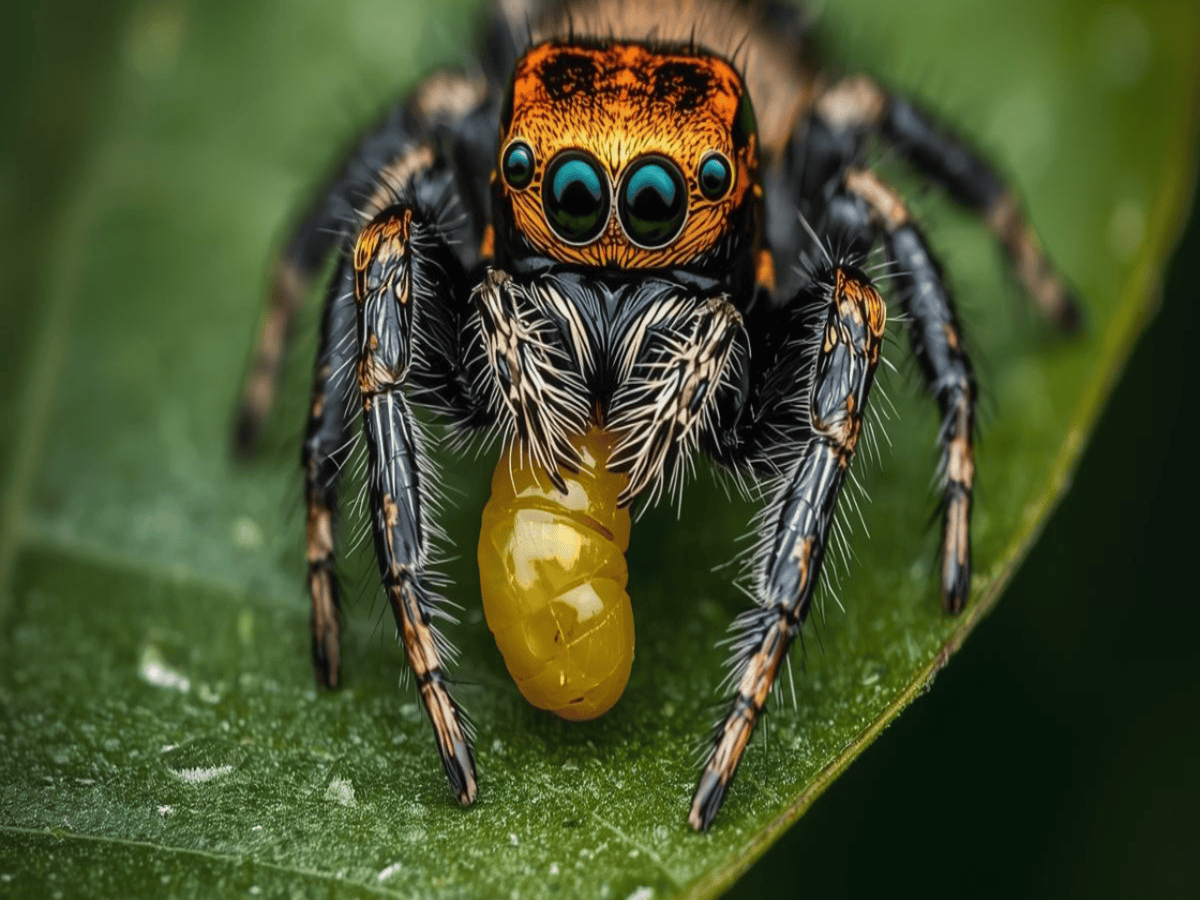
Understanding the Diet of Regal Jumping Spiders
Regal Jumping Spiders are among the most popular pet spiders in the United States. They are known for their intelligence, vision, and active hunting style. However, their health depends heavily on proper nutrition.
In fact, many beginners struggle with feeding. Some offer the wrong prey. Others overfeed or underfeed. As a result, spiders may become weak, stop eating, or face molting issues.
Therefore, understanding the right diet is not optional. It is essential for survival, growth, and vibrant coloration.
Why Proper Nutrition Matters
A well-balanced diet supports every stage of a spider’s life. From spiderlings to adults, feeding habits directly impact their energy and lifespan.
- Supports healthy molting cycles
- Maintains proper abdomen size
- Boosts activity and hunting behavior
- Enhances natural colors and patterns
Additionally, feeding the right prey reduces stress. A stressed spider may refuse food or hide constantly. On the other hand, a well-fed spider remains active and curious.
Common Feeding Mistakes Beginners Make
Many new keepers unintentionally harm their spiders due to lack of knowledge. However, these mistakes are easy to avoid with the right guidance.
- Feeding insects that are too large
- Offering wild-caught bugs with pesticides
- Ignoring hydration needs
- Leaving live prey inside the enclosure
For example, crickets left overnight can injure your spider. Similarly, wild insects may carry harmful chemicals. Therefore, controlled feeding is always safer.
What You Will Learn in This Guide
This guide is designed to give you clear, practical knowledge. It is based on real-world pet care practices commonly used in the USA.
- Best food for regal jumping spiders
- Safe feeding techniques
- Proper feeding schedule
- Foods to avoid
By the end, you will confidently know what, when, and how to feed your spider. More importantly, you will avoid the mistakes most beginners make.
What Do Regal Jumping Spiders Eat in the Wild?
To understand the best food for Regal Jumping Spiders, it helps to look at their natural diet. In the wild, these spiders are active hunters. They do not rely on webs. Instead, they use vision and precision to catch prey.
In fact, their eyesight is among the best in the spider world. As a result, they can track and stalk moving insects with impressive accuracy.
Natural Prey in Their Habitat
Wild regal jumping spiders mainly eat small, live insects. Their diet depends on availability, size, and movement.
- Flies and houseflies
- Mosquitoes and gnats
- Small moths
- Tiny beetles
- Other small arthropods
Additionally, they prefer prey that moves actively. Movement triggers their hunting instinct. Therefore, live insects are always their first choice.
How They Hunt Without Webs
Unlike many spiders, regal jumpers do not trap prey in webs. Instead, they rely on a stalk-and-pounce method.
- They observe prey from a distance
- Slowly move closer with precision
- Attach a safety silk line
- Jump and capture instantly
For example, a jumping spider may watch a fly for several seconds before attacking. This behavior shows their intelligence and patience.
However, this also means they need mentally stimulating feeding in captivity. Simply dropping food may not always work.
Wild Diet vs Captive Feeding
There are key differences between wild and captive diets. In captivity, food choices are controlled. This can be both an advantage and a risk.
- Wild spiders eat a wide variety of insects
- Captive spiders rely on limited feeder options
- Wild prey may carry parasites or chemicals
- Captive feeding is safer but requires balance
Therefore, it is important to replicate their natural diet as closely as possible. Offering variety helps maintain health and prevents boredom.
In the next section, you will learn exactly what to feed your spider at home. We will cover the best food for jumping spiders, including safe and nutritious options.
Best Healthy Food for Regal Jumping Spiders
Choosing the right diet is the most important part of caring for Regal Jumping Spiders. A balanced feeding routine directly affects their growth, activity level, and lifespan.
In fact, many keepers in the USA report that proper nutrition improves coloration and hunting behavior within a few weeks. Therefore, selecting the best food for jumping spiders is essential for long-term health.
Safe and Nutritious Live Food Options
Regal jumping spiders prefer live prey. Movement triggers their hunting instinct and encourages natural behavior.
- Fruit flies – Ideal for spiderlings and small juveniles
- House flies – Excellent protein source for adults
- Small crickets – Nutrient-rich and widely available
- Mealworms – Use occasionally due to higher fat content
Additionally, fruit flies for jumping spiders are one of the safest beginner feeder options. They are easy to culture and perfectly sized for young spiders.
Best Food for Regal Jumping Spiders by Age
Different life stages require different food sizes. Feeding correctly prevents injury and improves digestion.
- Spiderlings: Fruit flies and pinhead crickets
- Juveniles: Small flies and tiny crickets
- Adults: House flies, small moths, and occasional worms
However, prey should never be larger than the spider’s abdomen. Otherwise, feeding stress or injury may occur.
Can Jumping Spiders Eat Fruit?
Many beginners ask, can jumping spiders eat fruit? The simple answer is no.
Jumping spiders are strict carnivores. They cannot digest fruit or plant material. Their digestive system is designed for liquid nutrients from insects only.
Therefore, fruits like apple, banana, or melon should never be offered as food.
Why Live Food Is Better Than Alternatives
Live prey is always the best option. It stimulates hunting instincts and ensures proper nutrition.
- Encourages natural behavior
- Improves activity levels
- Provides fresh nutrients
- Reduces feeding refusal
On the other hand, dead insects are usually ignored unless the spider is very hungry or trained. We will discuss this in detail in a later section.
Overall, a varied diet is key. Combining different feeder insects ensures your spider gets balanced nutrition and stays active.
Will Jumping Spiders Eat Dead Insects?
One of the most common questions among beginners is whether Regal Jumping Spiders will eat dead insects. The answer is: sometimes, but not reliably.
In general, jumping spiders strongly prefer live prey. Movement plays a key role in triggering their hunting instinct. Therefore, a motionless insect is often ignored.
Why Live Prey Is Preferred
Jumping spiders rely on vision rather than webs. Their hunting behavior is highly active and visual-based.
- Movement triggers hunting response
- Live prey provides better stimulation
- Spiders can judge prey safety before attacking
- Fresh prey ensures better nutrition
As a result, live insects like flies or crickets are always the best option for regular feeding.
When They Might Eat Dead Insects
Although not ideal, there are situations where a jumping spider may accept dead food.
- When the spider is very hungry
- If the prey is freshly killed
- If it is gently moved using tweezers
- When the spider is already familiar with feeding routine
However, acceptance is not guaranteed. In fact, many captive spiders completely ignore dead prey regardless of hunger level.
Risks of Feeding Dead Insects
Feeding dead insects is not always safe or effective. There are several concerns to consider.
- Loss of nutritional value over time
- Possible bacterial growth
- Reduced feeding response
- Inconsistent feeding behavior
Therefore, dead insects should only be used as a backup option, not a primary diet.
Better Alternative Feeding Methods
If live feeding is difficult, there are safer ways to improve acceptance.
- Gently move the insect using soft tweezers
- Simulate movement near the spider
- Offer freshly killed prey immediately
- Feed in a calm, low-stress environment
For example, many keepers in the USA use tweezers to lightly wiggle pre-killed flies. This often increases success rates.
In conclusion, while jumping spiders may occasionally eat dead insects, live prey remains the healthiest and most reliable option for long-term care.
Jumping Spider Feeding Schedule for Healthy Growth
A proper Jumping Spider feeding schedule is essential for maintaining health, energy, and stable growth. In the USA, experienced keepers follow structured feeding routines based on age and size.
In fact, inconsistent feeding is one of the main reasons spiders become weak or stop eating. Therefore, understanding timing and portion control is just as important as choosing the right food.
Feeding Frequency by Life Stage
Different stages of Regal Jumping Spiders require different feeding intervals. Overfeeding can be harmful, while underfeeding slows development.
- Spiderlings: Feed every 1–2 days
- Juveniles: Feed every 2–3 days
- Adults: Feed every 3–5 days
Additionally, portion size should always match the spider’s abdomen. A well-fed spider will have a rounded but not bloated abdomen.
How to Identify Hunger and Fullness
Spiders do not communicate hunger verbally, but their body language provides clear signals.
- Hungry spider: Active, roaming, hunting posture
- Well-fed spider: Calm, resting, reduced movement
- Overfed spider: Enlarged abdomen, slow movement
For example, if your spider ignores food repeatedly, it may already be full or preparing for molting.
Adjusting Feeding During Molting
Molting is a critical phase in a spider’s life. During this time, feeding must be carefully controlled.
- Stop feeding 2–3 days before molting signs
- Remove any live prey immediately
- Do not disturb the spider during molting
- Resume feeding after the exoskeleton hardens
On the other hand, feeding during molting can cause serious injuries. Crickets or flies may harm the soft-bodied spider.
Seasonal and Activity-Based Adjustments
Feeding schedules may also change depending on environmental conditions.
- Warm temperatures increase activity and feeding demand
- Cooler conditions reduce appetite
- High humidity may slow digestion
Therefore, always observe behavior instead of strictly following a fixed schedule.
In summary, a flexible but consistent feeding routine ensures long-term health. Proper timing prevents both starvation and overfeeding issues in Regal Jumping Spiders.
How to Feed Regal Jumping Spiders Properly
Feeding Regal Jumping Spiders is not just about offering insects. It is about creating a safe and stress-free feeding experience. In fact, correct technique improves feeding success and reduces injury risk.
Many keepers in the USA follow simple but effective methods to ensure spiders eat regularly. Therefore, learning proper feeding technique is just as important as choosing the best food for jumping spiders.
Step-by-Step Feeding Method
A controlled approach works best for most spiders, especially beginners.
- Place the spider in a calm environment
- Select a properly sized live insect
- Use soft tweezers if needed
- Gently present the prey near the spider
Additionally, avoid sudden movements. Jumping spiders are highly alert and may get stressed if disturbed too quickly.
Live Feeding vs Assisted Feeding
There are two common feeding methods used by keepers.
- Live feeding: Insect is released into the enclosure
- Assisted feeding: Insect is held with tweezers and moved slightly
Live feeding works well for active hunters. However, assisted feeding is often safer for beginners because it prevents prey from hiding or escaping.
On the other hand, leaving live crickets unattended is not recommended, as they may harm the spider.
Best Feeding Environment
Environment plays a key role in successful feeding sessions.
- Use a quiet and low-stress area
- Avoid bright flashes or sudden noise
- Keep enclosure clean and free of debris
- Ensure proper ventilation and humidity
For example, many USA-based hobbyists feed their spiders during daytime when visibility is best and stress levels are lower.
Handling Feeding Refusals
Sometimes, jumping spiders refuse food. This is normal and usually not a cause for concern.
- Spider may be in premolt stage
- Temperature may be too low
- Prey may be too large or unappealing
- Spider may already be full
Therefore, do not force feeding. Instead, try again after 24–48 hours with a different insect type.
Key Safety Tips
Proper feeding also includes safety precautions for both spider and prey.
- Never leave aggressive prey unattended
- Avoid overhandling the spider
- Remove uneaten insects after feeding
- Always match prey size to spider size
In conclusion, a calm and controlled feeding method improves success rates significantly. With practice, feeding becomes easy, safe, and highly rewarding.
Hydration and Care Tips for Regal Jumping Spiders
Proper hydration is often overlooked in Regal Jumping Spiders care, yet it plays a vital role in their survival and activity. While food is important, water balance is equally essential for digestion and molting health.
In fact, many keepers in the USA notice improved activity and successful molting when hydration is managed correctly. Therefore, understanding how spiders drink and stay hydrated is crucial for long-term care.
Do Jumping Spiders Drink Water?
Yes, jumping spiders do drink water, but not in the way mammals do. They usually drink tiny droplets found on surfaces.
- They drink from condensation on enclosure walls
- They may drink from mist droplets
- They absorb moisture from prey
However, standing water is not recommended, as it can increase drowning risk in small enclosures.
Best Hydration Methods
There are safe and effective ways to keep your spider hydrated without stress.
- Light misting of enclosure walls
- Droplets placed on leaves or decorations
- Indirect humidity control through substrate
Additionally, misting should be light and controlled. Over-wetting the enclosure can lead to mold and stress.
Role of Humidity in Spider Health
Humidity affects digestion, molting, and overall activity. Therefore, maintaining a stable environment is important.
- Too low humidity may cause dehydration
- Too high humidity may cause mold issues
- Balanced humidity supports smooth molting
For example, moderate humidity levels are commonly maintained in USA households using simple spray bottles or ventilated enclosures.
Gut-Loading Feeder Insects
Another advanced care method is gut-loading. This improves the nutritional value of prey insects before feeding.
- Feed insects nutritious foods before offering them
- Use safe options like carrots or leafy greens for feeders
- Enhances vitamin and mineral intake for spiders
As a result, your spider receives better nutrition indirectly, even if food variety is limited.
Common Hydration Mistakes
Many beginners make simple hydration mistakes that can affect spider health.
- Over-misting the enclosure
- Not providing any water source at all
- Using unclean or contaminated water
- Ignoring humidity fluctuations
Therefore, consistency and moderation are key. Small adjustments can make a big difference in long-term health.
In summary, hydration is just as important as feeding. A well-balanced environment ensures your jumping spider stays active, healthy, and stress-free.
Signs of a Healthy vs Unhealthy Diet in Regal Jumping Spiders
Monitoring the health of Regal Jumping Spiders is essential for long-term care success. A proper diet directly reflects in their behavior, appearance, and activity levels.
In fact, experienced keepers in the USA often assess spider health by simply observing body shape and movement. Therefore, learning these signs helps you adjust feeding before serious issues develop.
Signs of a Healthy Diet
A well-fed spider shows clear physical and behavioral indicators. These signs confirm that your feeding routine is working effectively.
- Active and alert behavior during the day
- Balanced abdomen size (not too thin or bloated)
- Strong and controlled jumping ability
- Regular and successful molting cycles
- Bright and natural coloration
Additionally, healthy spiders respond quickly to prey movement. This indicates strong hunting instincts and proper nutrition.
Signs of an Unhealthy Diet
On the other hand, poor feeding practices quickly show visible warning signs.
- Shrunken or overly thin abdomen
- Lethargy and reduced movement
- Refusal to eat for long periods
- Weak or failed molting
- Dull or faded coloration
For example, overfeeding may cause bloating, while underfeeding leads to weakness. Therefore, balance is critical for stability.
Body Shape as a Feeding Indicator
The abdomen is the most reliable indicator of diet quality.
- Healthy abdomen: Rounded but not stretched
- Underfed abdomen: Thin and wrinkled
- Overfed abdomen: Bulging and heavy-looking
As a result, many keepers adjust feeding schedules based on abdomen size instead of strict timing.
Behavioral Changes to Watch
Behavior often changes before physical signs appear. Therefore, early observation is important.
- Loss of hunting interest
- Excessive hiding or inactivity
- Slow reaction to movement
- Unusual aggression or stress behavior
On the other hand, a healthy spider remains curious and responsive throughout the day.
Why Early Detection Matters
Identifying diet problems early prevents serious health issues. Additionally, it helps avoid long-term stress and molting complications.
For example, correcting feeding frequency early can restore energy within a few days. Therefore, consistent monitoring is key to successful care.
In summary, understanding these signs helps you maintain a balanced and healthy feeding routine. A well-fed spider is always more active, stable, and visually vibrant.
Comparison of Feeding Options for Regal Jumping Spiders
Choosing the right feeding strategy for Regal Jumping Spiders can be confusing, especially for beginners. Different food options offer different benefits and risks.
In fact, many spider keepers in the USA compare feeder insects before deciding a routine. Therefore, understanding these differences helps you build a safer and more effective diet plan.
Feeding Options Compared
| Food Type | Nutrition Value | Safety | Ease of Use | Best For |
|---|---|---|---|---|
| Fruit Flies | Medium | Very High | Easy | Spiderlings & small juveniles |
| House Flies | High | High | Moderate | Juveniles & adults |
| Small Crickets | High | Medium | Easy | Growing spiders |
| Mealworms | High fat | Medium | Easy | Occasional treat only |
| Wild-Caught Insects | Unknown | Low | Easy | Not recommended |
Key Differences Between Safe and Unsafe Options
Safe feeder insects are bred in controlled environments. On the other hand, wild insects may carry pesticides or parasites.
- Safe feeders provide consistent nutrition
- Wild insects may introduce health risks
- Controlled feeders reduce feeding failure
- Live cultured insects improve hunting behavior
Therefore, captive-bred insects are always the better long-term choice.
Which Food Works Best Overall?
There is no single “perfect” food. However, a combination approach works best.
- Fruit flies for early growth stages
- Flies for balanced daily nutrition
- Crickets for protein boost
Additionally, rotating food types prevents nutritional imbalance and improves spider activity.
Common Mistakes in Food Selection
Many beginners make selection errors that affect spider health.
- Relying on a single food source
- Using oversized prey
- Feeding wild insects regularly
- Ignoring prey movement requirements
As a result, spiders may refuse food or develop weak feeding habits.
In conclusion, a varied and safe feeding strategy ensures better growth, stronger hunting behavior, and long-term health stability.
Pros and Cons of Feeding Methods for Regal Jumping Spiders
Understanding different feeding methods is important for proper care of Regal Jumping Spiders. Each method has advantages and limitations depending on experience level and spider behavior.
In fact, many USA-based keepers adjust feeding style based on spider response. Therefore, choosing the right method helps improve feeding success and reduces stress.
Live Feeding Method
Live feeding is the most natural approach. It allows spiders to behave as they would in the wild.
Pros
- Encourages natural hunting instincts
- Higher feeding success rate
- Improves activity and alertness
- Best stimulation for mental behavior
Cons
- Some insects may harm the spider
- Requires supervision
- Not always suitable for beginners
Assisted Feeding (Tweezers Method)
This method involves holding prey with tweezers and gently presenting it to the spider.
Pros
- Safer control over feeding process
- Prevents prey from escaping
- Reduces risk of injury
- Good for beginners
Cons
- Some spiders may ignore artificial movement
- Requires patience and practice
- Less natural hunting experience
Pre-Killed Feeding Method
Pre-killed insects are sometimes used when live feeding is not possible.
Pros
- Safe from prey-related injuries
- Easy to manage
- Useful during emergencies
Cons
- Low acceptance rate
- Less nutritional freshness
- No natural hunting stimulation
Which Method Is Best?
There is no single best method for every situation. However, most experts recommend a mixed approach.
- Use live feeding as the primary method
- Use tweezers for controlled feeding
- Use pre-killed insects only when necessary
Additionally, observing your spider’s behavior helps you decide which method works best over time.
In summary, understanding the pros and cons of each feeding method ensures safer care and better long-term results for your jumping spider.
Improve Your Regal Jumping Spider Care Today
Taking proper care of Regal Jumping Spiders is not difficult when you follow the right feeding and care routine. However, consistency is what makes the biggest difference.
If you want your spider to stay active, healthy, and long-living, then focusing on diet quality is essential. In fact, small improvements in feeding habits can significantly improve behavior and growth within weeks.
Why Proper Feeding Matters
Many keepers underestimate how important diet is. However, a balanced feeding routine leads to:
- Stronger hunting behavior
- Better molting success
- Improved lifespan
- More active and responsive spiders
Therefore, applying the right feeding methods is one of the most important responsibilities in spider care.
Take Action for Better Results
If you are currently unsure about your spider’s diet, now is the best time to make improvements. Start by reviewing food type, feeding schedule, and hydration habits.
- Switch to safe, captive-bred feeder insects
- Maintain a consistent feeding schedule
- Monitor abdomen size regularly
- Avoid wild-caught insects
Additionally, always observe your spider’s behavior. It is the best indicator of whether your care routine is working properly.
Final Expert Tip
Every spider is slightly different. Therefore, do not rely on a fixed rule only. Instead, combine guidelines with observation for the best results.
As a result, your Regal Jumping Spider will thrive in a stable, stress-free environment with proper nutrition and care.
Conclusion
Feeding Regal Jumping Spiders correctly is the foundation of their long-term health, activity, and survival. A well-planned diet with safe live insects such as fruit flies, house flies, and small crickets ensures proper growth and natural hunting behavior.
Throughout this guide, we explored the best food for jumping spiders, proper feeding schedules, hydration needs, and safe feeding techniques. As you have seen, even small mistakes like overfeeding or using wild insects can negatively affect their health.
Therefore, consistency and observation are key. By following a balanced Jumping Spider feeding schedule, you can avoid common problems and support healthy molting, strong movement, and vibrant appearance.
In conclusion, every spider is unique, but the basics remain the same: provide safe food, maintain proper hydration, and adjust care based on behavior. With the right approach, your Regal Jumping Spider can thrive and live a healthy, active life in captivity.
Frequently Asked Questions About Regal Jumping Spiders
Below are the most commonly asked questions about feeding and caring for Regal Jumping Spiders. These answers are based on real care practices used by spider keepers in the USA.
1. What is the best food for regal jumping spiders?
The best food includes live insects such as fruit flies, house flies, and small crickets. These provide balanced nutrition and encourage natural hunting behavior. Additionally, variety improves overall health and activity.
2. Can jumping spiders eat fruit or plant-based food?
No, jumping spiders cannot eat fruit. They are strict carnivores and rely on liquid nutrients from insects. Therefore, fruits like apple or banana are not suitable for their diet.
3. Will jumping spiders eat dead insects?
Sometimes they may accept freshly killed insects, but it is not reliable. Most jumping spiders prefer live prey because movement triggers their hunting instinct. Therefore, live food is always recommended.
4. How often should I feed my jumping spider?
Spiderlings should be fed every 1–2 days, juveniles every 2–3 days, and adults every 3–5 days. However, feeding frequency may change based on activity level and abdomen size.
5. Can jumping spiders eat fruit flies safely?
Yes, fruit flies are one of the safest and most commonly used feeder insects, especially for young spiders. They are easy to digest and perfectly sized for spiderlings.
6. What happens if I overfeed my jumping spider?
Overfeeding can cause a swollen abdomen, slow movement, and difficulty during molting. Therefore, it is important to maintain a balanced schedule and avoid excessive feeding.
7. Do jumping spiders need water in their enclosure?
Yes, but they drink from droplets rather than standing water. Light misting of the enclosure walls provides safe hydration. Additionally, proper humidity supports digestion and molting.
Final Thoughts
Understanding proper feeding and care is essential for keeping your spider healthy and active. With the right diet, your Regal Jumping Spider can thrive and display natural hunting behavior for a long time.
