
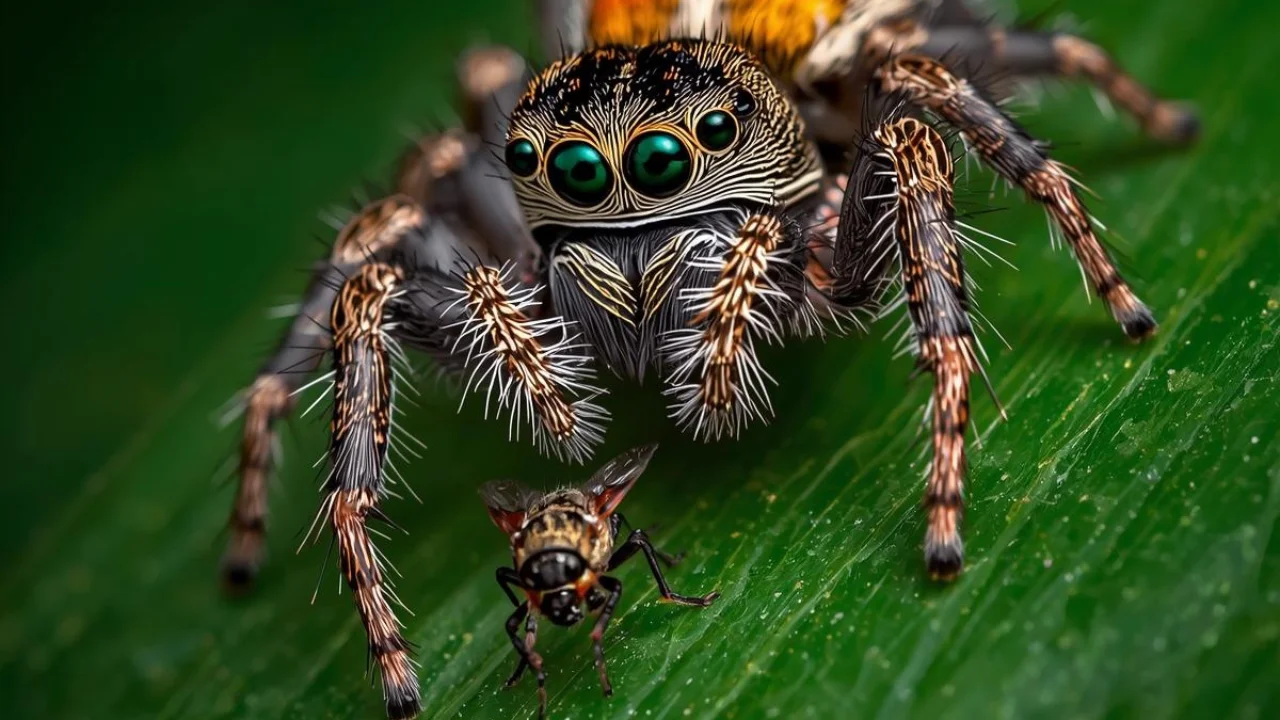
Introduction: Understanding the Jumping Spider Diet
The Jumping Spider Diet is one of the most important factors in keeping these small predators healthy and active. Unlike many household pets, jumping spiders depend entirely on live prey for survival. Therefore, understanding what they eat is essential for both beginners and experienced keepers in the USA.
In the wild, these spiders are skilled hunters. They do not build webs to catch food. Instead, they rely on sharp vision and fast movements to capture insects. As a result, their diet is highly protein-based and naturally diverse.
Additionally, a proper feeding routine plays a major role in their growth, molting cycle, and behavior. A well-balanced jumping spider diet helps improve activity levels, hunting instincts, and overall lifespan.
In this guide, you will learn everything you need to know about feeding habits, safe food options, and expert care tips. For example, we will cover what they eat in nature, how often to feed them, and what mistakes to avoid.
Moreover, many new owners in the USA struggle with feeding problems. However, once you understand their natural instincts, feeding becomes simple and stress-free. Therefore, this guide is designed to make the process easy and practical for everyday care.
By the end of this article, you will clearly understand how to manage a healthy jumping spider diet and ensure your spider thrives in captivity.
What Do Jumping Spiders Eat in the Wild?
The natural Jumping Spider Diet in the wild is entirely based on live prey. These spiders are active hunters, and they depend on movement to detect food. Therefore, their diet is shaped by what they can catch quickly and overpower using speed and precision.
In natural environments across the USA, jumping spiders are commonly found in gardens, forests, and even around homes. Additionally, they hunt during the daytime, which makes their feeding behavior more visible compared to many other spider species.
Unlike web-building spiders, they do not wait passively for food. Instead, they stalk and leap toward their target. As a result, their diet mainly includes small insects that are easy to capture.
Common wild prey in a jumping spider diet includes:
- Flies and fruit flies
- Mosquitoes and gnats
- Small moths
- Beetles and tiny insects
- Ants (occasionally)
- Other small spiders
Additionally, the jumping spider diet changes depending on habitat and availability. For example, spiders in gardens may feed more on flies, while those in wooded areas may consume moths and beetles more often.
In fact, their excellent vision allows them to choose prey carefully before attacking. However, they usually avoid insects that are too large or dangerous.
On the other hand, environmental conditions in the USA also influence their feeding habits. During warmer months, food is more abundant, which supports faster growth and frequent hunting activity.
Therefore, understanding their wild diet helps pet owners replicate a more natural and healthy feeding routine in captivity.
Jumping Spider Diet in Captivity (Pet Care Guide)
Managing a proper Jumping Spider Diet in captivity is very different from their natural feeding habits. In a controlled environment, you are responsible for providing safe, nutritious, and appropriately sized live prey. Therefore, understanding their dietary needs is essential for long-term health and survival.
In the USA, most pet owners keep jumping spiders in small enclosures or terrariums. However, the feeding process must still follow their natural instincts. As a result, live movement is extremely important because these spiders rarely recognize dead food as edible.
Additionally, captive diets must be carefully selected to avoid pesticides, toxins, or overly large prey. Feeding the wrong food can cause stress, injury, or refusal to eat.
Safe feeder insects for a healthy jumping spider diet include:
- Fruit flies (ideal for spiderlings)
- Pinhead crickets
- Small houseflies
- Roach nymphs (small size only)
- Occasional mealworms (limited use)
Moreover, variety plays an important role in maintaining nutrition balance. For example, feeding only one type of insect may lead to nutritional gaps over time.
However, not all insects are suitable. Wild-caught bugs should be avoided in most cases because they may carry pesticides or parasites, especially in suburban areas across the USA.
In fact, a well-planned jumping spider diet should always prioritize safety, size control, and movement stimulation. This ensures the spider stays active and continues natural hunting behavior even in captivity.
Therefore, consistent feeding with properly selected live insects will help your spider thrive and maintain strong health throughout its lifecycle.
Best Food for Jumping Spiders (Recommended Insects)
Choosing the right food is a key part of maintaining a healthy Jumping Spider Diet. In captivity, these spiders rely completely on the owner for proper nutrition. Therefore, selecting safe and appropriately sized feeder insects is extremely important.
In the USA, most pet owners can easily find suitable live food from pet stores or online suppliers. However, not every insect is equally beneficial. Additionally, prey size and movement play a major role in feeding success.
Below are the best feeder insects for a balanced jumping spider diet:
- Fruit flies (Drosophila): Perfect for spiderlings and small juveniles
- Pinhead crickets: High-protein option for growing spiders
- Small houseflies: Excellent for stimulation and hunting behavior
- Roach nymphs: Nutritious and easy to digest when small
- Mealworms: Occasional treat, not a staple food
Moreover, fruit flies are often considered the safest starting food because they are small, slow, and easy to manage. As a result, beginners in the USA prefer them for young spiders.
However, larger insects like full-sized crickets should be avoided. They may harm the spider or cause feeding stress. Therefore, always match prey size with the spider’s body length.
Additionally, variety improves nutrition and keeps feeding behavior active. For example, rotating between flies and small crickets ensures a more natural diet experience.
In fact, a well-planned jumping spider diet is not just about feeding—it is about encouraging natural hunting instincts. This helps the spider stay active, alert, and healthy in captivity.
Feeding Schedule: How Often to Feed a Jumping Spider
A proper Jumping Spider Diet is not only about what you feed, but also about when you feed. Timing plays a major role in growth, energy levels, and molting cycles. Therefore, maintaining a consistent feeding schedule is essential for healthy development.
In the USA, many keepers follow a simple routine based on the spider’s age and activity level. Additionally, younger spiders require more frequent feeding compared to adults because they grow rapidly.
General feeding frequency guide:
- Spiderlings: Every 1–2 days (small fruit flies or micro prey)
- Juveniles: Every 2–3 days (small crickets or flies)
- Adults: Every 3–5 days (varied live insects)
Moreover, feeding should always depend on appetite. If the spider ignores food, it may be full, stressed, or preparing to molt.
Jumping Spider Diet Chart (Simple Guide):
| Stage | Food Type | Feeding Frequency | Example Prey |
|---|---|---|---|
| Spiderling | Small live insects | Every 1–2 days | Fruit flies |
| Juvenile | Medium live insects | Every 2–3 days | Pinhead crickets |
| Adult | Varied live insects | Every 3–5 days | Flies, roach nymphs |
Additionally, it is important not to overfeed. Overfeeding can reduce hunting behavior and may lead to stress inside the enclosure. Therefore, always observe the spider’s abdomen size to adjust feeding frequency.
In fact, a well-managed jumping spider diet schedule helps replicate natural feeding cycles. As a result, the spider remains active, healthy, and more responsive during hunting.
Common Feeding Mistakes in Jumping Spider Diet
Even though a Jumping Spider Diet looks simple, many beginners in the USA make small mistakes that affect their spider’s health. Therefore, avoiding these errors is just as important as choosing the right food.
One of the most common mistakes is feeding prey that is too large. Jumping spiders are small predators, and oversized insects can injure them or cause stress. As a result, the spider may refuse food altogether.
Another frequent issue is using wild-caught insects. Although it may seem natural, these insects can carry pesticides, parasites, or harmful chemicals. Therefore, it is always safer to use farm-raised feeder insects.
Additionally, overfeeding is a hidden problem. Many owners think more food means better health, but in reality, it reduces hunting activity and can lead to bloating. As a result, the spider becomes less active and less responsive.
Other mistakes include:
- Feeding dead insects (spiders usually ignore them)
- Not varying the diet
- Feeding during molting periods
- Keeping uneaten prey inside the enclosure too long
In fact, correcting these mistakes can instantly improve your jumping spider’s behavior and feeding response.
Signs of a Healthy Jumping Spider Diet
A balanced Jumping Spider Diet shows clear visible results in behavior and appearance. Therefore, observing your spider regularly is very important for proper care.
A healthy spider will usually show:
- Active hunting behavior
- Bright, alert eyes
- Smooth and regular molting cycles
- Rounded but not overly swollen abdomen
- Quick response to movement
Additionally, a well-fed spider is confident and curious inside its enclosure. It will often track movement and prepare for small jumps when prey is introduced.
However, if the spider is unhealthy, you may notice:
- Refusing food for long periods (outside molting)
- Weak or slow movement
- Shrinking abdomen
- Lack of interest in prey
As a result, these signs often indicate an imbalance in diet or feeding schedule.
Hydration and Supplements in Jumping Spider Diet
Although food is the main part of a Jumping Spider Diet, hydration also plays an important role. In the wild, spiders get moisture from their prey and environment. Therefore, captive spiders need similar conditions.
In the USA, most keepers provide water by:
- Lightly misting the enclosure
- Adding small water droplets on walls
- Ensuring prey contains moisture
Additionally, jumping spiders do not need artificial supplements in most cases. A varied insect diet already provides enough nutrition. However, gut-loading feeder insects (feeding insects nutritious food before giving them to the spider) can improve diet quality.
In fact, proper hydration and fresh live prey together ensure long-term health and better molting success.
Feeding During Molting Period
Molting is a very sensitive stage in a Jumping Spider Diet cycle. During this time, spiders stop eating completely and become inactive. Therefore, feeding should be paused.
You may notice signs like:
- Refusal to eat
- Staying in a web nest
- Dull or darkened body color
As a result, any live prey left in the enclosure can become dangerous. Crickets, for example, may harm a molting spider. Therefore, always remove uneaten insects immediately.
After molting, the spider will usually resume feeding within a few days.
Conclusion: Maintaining a Healthy Jumping Spider Diet
A proper Jumping Spider Diet is the foundation of a healthy, active, and long-living spider. When you provide correctly sized live prey, follow a consistent feeding schedule, and avoid common mistakes, your spider naturally thrives.
Additionally, understanding their molting cycle, hydration needs, and natural hunting instincts helps you create a more natural and stress-free environment.
In conclusion, successful feeding is not complicated—it simply requires observation, consistency, and the right food choices. Once you understand these basics, caring for a jumping spider becomes both easy and rewarding.
FAQs: Jumping Spider Diet
1. What do jumping spiders mainly eat?
Jumping spiders mainly eat live insects such as fruit flies, small crickets, gnats, and houseflies. Their diet is completely protein-based because they are active hunters that rely on movement to detect prey.
2. How often should I feed my jumping spider?
Spiderlings should be fed every 1–2 days, juveniles every 2–3 days, and adults every 3–5 days. However, feeding frequency can vary depending on appetite and molting cycles.
3. Can jumping spiders eat dead insects?
In most cases, no. Jumping spiders prefer live prey because they respond to movement. Dead insects are usually ignored unless the spider is extremely hungry or trained in rare cases.
4. What is the best food for a pet jumping spider?
The best food includes fruit flies for spiderlings, pinhead crickets for juveniles, and small houseflies or roach nymphs for adults. These options are safe, nutritious, and easy to digest.
5. Can I feed wild insects to my jumping spider?
It is not recommended. Wild insects may carry pesticides, parasites, or harmful bacteria. Therefore, it is safer to use captive-bred feeder insects from trusted sources in the USA.
6. How do I know if my jumping spider is hungry?
A hungry jumping spider becomes more active, tracks movement closely, and shows strong hunting behavior. Additionally, a slightly flattened abdomen may also indicate it is ready to eat.
7. What happens if I overfeed my jumping spider?
verfeeding can reduce hunting activity and make the spider less active. It may also cause stress or bloating. Therefore, it is important to follow a proper feeding schedule and avoid excessive feeding.
