
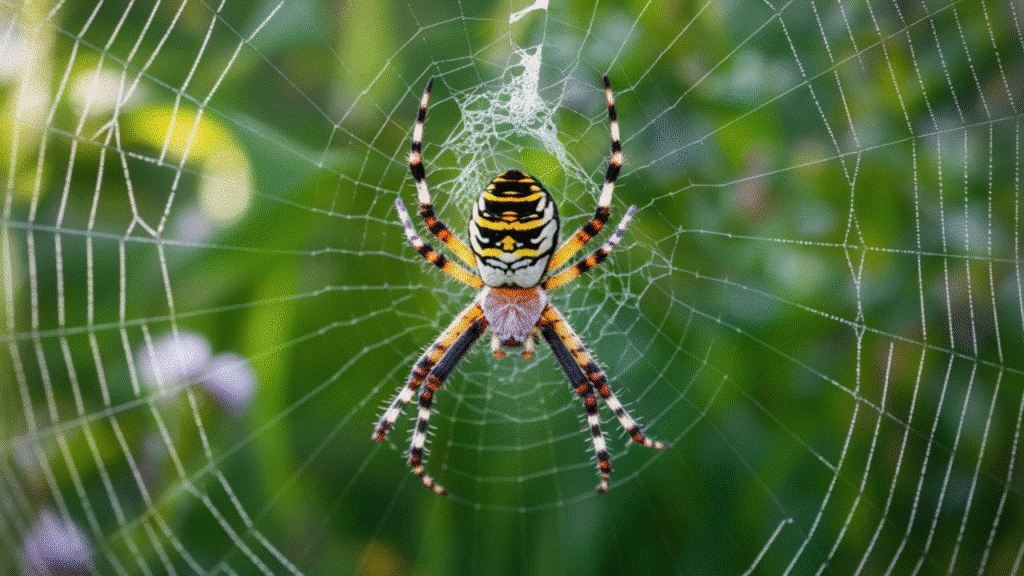
Orange and Black Spider Identification: What You Need to Know
Orange and Black Spider Identification is important for homeowners, gardeners, and nature enthusiasts across the USA. Many people become concerned when they spot a brightly colored spider outdoors or inside their home. However, not every orange and black spider is dangerous. In fact, most species are harmless and play an important role in controlling insect populations.
Additionally, correct identification helps you avoid unnecessary fear and respond appropriately. For example, some spiders may look intimidating due to their bold colors, but they are completely non-aggressive. Therefore, understanding their physical traits, behavior, and habitat can make a big difference in how you react when you encounter one.
In this guide, we will explore practical Orange and Black Spider Identification tips used by experts in the United States. You will learn how to recognize common species, understand their behavior, and determine whether they pose any risk. In fact, many people mistake harmless garden spiders for dangerous species simply because of their color patterns.
Moreover, learning proper identification techniques can help you stay safe while also respecting local ecosystems. Spiders are natural pest controllers, and removing them unnecessarily can disrupt ecological balance.
Why Proper Identification Matters
Correct identification is not just about curiosity. It directly impacts safety and decision-making. For instance, misidentifying a harmless spider as dangerous may lead to unnecessary panic or pesticide use.
- Helps avoid unnecessary fear and stress
- Prevents harmful pesticide misuse
- Supports natural pest control in gardens
- Improves awareness of local wildlife
However, identification requires attention to detail. Color alone is not enough, as many species share similar orange and black patterns. Instead, experts look at body shape, leg structure, and behavior.
Common Misunderstandings About Spider Colors
In fact, many people assume bright colors mean danger. On the other hand, this is not always true. Some of the most vibrant spiders are completely harmless. Additionally, young spiders often look different from adults, which adds to confusion.
Therefore, relying only on appearance can lead to incorrect assumptions. A more accurate approach includes observing movement, web structure, and location.
What You Will Learn in This Guide
This Orange and Black Spider Identification guide will help you understand real-world examples found across the USA. You will also learn how to distinguish between harmless species and those that may require caution.
- Key identification features used by experts
- Common habitats in the United States
- Behavior patterns and activity times
- Safety tips for home and outdoor encounters
As a result, you will gain confidence in identifying spiders without fear or confusion. In the next section, we will explore the most common orange and black spider species found in the USA and how to recognize them accurately.
Common Orange and Black Spider Species in the USA
Understanding Orange and Black Spider Identification becomes much easier when you learn about the most common species found across the United States. In fact, several spiders share similar color patterns, yet they behave very differently. Additionally, their habitat and web style can help you quickly narrow down the correct species.
Across the USA, especially in states like Texas, Florida, and California, orange and black spiders are often spotted in gardens, forests, and sometimes inside homes. However, most of them are harmless and play an important ecological role by controlling insects. Therefore, proper identification helps you avoid unnecessary concern while appreciating their natural benefits.
For example, some species are active hunters, while others build intricate webs. On the other hand, a few species may look intimidating but are completely non-aggressive. As a result, recognizing their differences is essential for accurate identification.
1. Garden Spiders (Argiope Species)
Garden spiders are one of the most commonly seen spiders in the USA. They often display yellow, orange, and black markings on their abdomen. Additionally, they build large, circular webs in open gardens.
- Large, visible web structures
- Distinct zigzag pattern in the center of the web
- Non-aggressive and beneficial for pest control
However, they may look intimidating due to their size, but they are harmless to humans.
2. Orb-Weaver Spiders
Orb-weavers are another common group included in Orange and Black Spider Identification guides. They are known for their wheel-shaped webs and vibrant coloring.
- Round abdomen with mixed orange and black tones
- Active mostly at night
- Common in forests and backyard gardens
In fact, orb-weavers are extremely useful for controlling flying insects like mosquitoes and flies.
3. Spotted Orb-Weaver (Small Orange and Black Spider Types)
Some orb-weaver species are small, making them appear more delicate. These orange and black spider small variations are often found on shrubs and low vegetation.
Additionally, they may change color slightly depending on age and environment. Therefore, size alone should not be used for identification.
4. Texas Spiny and Regional Variants
In southern states like Texas, you may encounter unique species such as the orange and black spider Texas varieties. These spiders often have spiny or textured bodies.
- More common in warm climates
- Often found in fields and wooded areas
- Non-threatening to humans
However, they can appear more dramatic due to their body shape and coloration.
Comparison Table: Common Orange and Black Spiders
| Spider Type | Size | Habitat | Risk Level |
|---|---|---|---|
| Garden Spider | Large | Gardens, bushes | Harmless |
| Orb-Weaver | Medium | Forests, yards | Harmless |
| Spotted Orb-Weaver | Small | Shrubs, plants | Harmless |
| Texas Variants | Medium | Fields, rural areas | Harmless |
Therefore, while these spiders may look similar at first glance, their behavior and habitat help distinguish them clearly. In fact, most confusion happens when people focus only on color instead of overall structure.
In the next section, we will explore the physical features that help you accurately perform Orange and Black Spider Identification like an expert.
Physical Identification Features for Accurate Recognition
Accurate Orange and Black Spider Identification depends on observing more than just color. In fact, many spiders share similar orange and black patterns, which often leads to confusion. Therefore, experts in the USA rely on a combination of physical traits, behavior, and environment to correctly identify species.
Additionally, small differences in body structure can completely change the identification outcome. For example, two spiders may look almost identical in color, but their leg shape or body proportions can reveal they are different species. As a result, careful observation is essential.
Moreover, understanding these features helps you respond appropriately when encountering spiders at home or outdoors. Most orange and black spiders are harmless, but knowing what you are dealing with provides peace of mind and prevents unnecessary fear.
1. Body Shape and Size
Body structure is one of the most reliable identification factors. Some spiders have round abdomens, while others are elongated or spiny.
- Round abdomen often indicates orb-weaver species
- Elongated bodies are usually active hunters
- Spiny textures may appear in regional species like those found in Texas
However, size alone can be misleading. Juvenile spiders often appear smaller and differently colored than adults. Therefore, it is important to consider growth stages during identification.
2. Leg Structure and Movement
Legs provide strong identification clues. For instance, orb-weavers typically have long, slender legs designed for web-building. On the other hand, hunting spiders have thicker legs built for speed.
Additionally, movement style is equally important. Some spiders remain still in webs, while others actively chase prey. As a result, observing movement patterns can quickly narrow down species type.
3. Color Patterns and Markings
While color is often the first thing people notice, it should not be the only factor in Orange and Black Spider Identification. Patterns such as stripes, spots, or abdominal designs are more reliable indicators.
- Bold black stripes may indicate warning patterns
- Orange spots often appear in garden species
- Mixed patterns are common in orb-weavers
In fact, lighting conditions can also change how colors appear, which may lead to misidentification if not carefully observed.
4. Eye Arrangement
Although difficult to see without close inspection, eye arrangement is a key scientific method used by experts. Different spider families have distinct eye patterns.
However, this feature is usually reserved for advanced identification and may not be practical for everyday observations. Therefore, it is best used alongside other visible traits.
5. Web Type and Habitat Clues
Web structure is one of the most practical identification tools. For example, orb-weavers create circular webs, while some spiders do not build webs at all.
- Orb-shaped webs indicate orb-weaver spiders
- Irregular webs may suggest cobweb species
- No web often means active hunting spiders
Additionally, habitat location plays a major role. Garden areas, forests, and even basements can each host different species. Therefore, combining location with physical features improves accuracy significantly.
As a result, proper observation of body shape, movement, color patterns, and habitat ensures reliable Orange and Black Spider Identification. In the next section, we will explore where these spiders are commonly found across the USA and how environment influences their appearance.
Habitat and Where Orange and Black Spiders Are Found
Understanding habitat is a major part of Orange and Black Spider Identification. In fact, location often gives strong clues about the species you are observing. Across the United States, these spiders appear in a wide range of environments, from dense forests to suburban backyards.
Additionally, environmental conditions such as temperature, humidity, and vegetation directly influence where these spiders live. For example, warm and humid regions tend to have higher spider activity. Therefore, states like Texas and Florida often report more sightings compared to colder areas.
Moreover, spiders adapt well to human environments. As a result, they are frequently found near homes, gardens, garages, and basements. However, most of them are harmless and simply follow food sources like insects.
1. Gardens and Backyards
Gardens are one of the most common places for orange and black spiders. These areas provide both shelter and food sources such as flies, mosquitoes, and small insects.
- Flower beds and shrubs are common hiding spots
- Web-building species prefer open garden spaces
- Natural pest control helps maintain plant health
However, gardeners often notice spiders more during warmer months when insect activity increases. Therefore, sightings are more frequent in spring and summer.
2. Forests and Wooded Areas
Forests offer ideal conditions for many spider species due to moisture, shade, and abundant prey. In fact, orb-weavers and hunting spiders thrive in these environments.
- Spiders attach webs between trees and branches
- Leaf litter provides hiding and hunting zones
- Color patterns help camouflage in natural surroundings
Additionally, forest species may appear slightly larger due to better feeding conditions.
3. Homes, Garages, and Basements
Spiders often enter human spaces while searching for warmth or food. Therefore, it is not uncommon to find them indoors, especially in garages and basements.
However, indoor sightings do not usually indicate infestation. Instead, they are isolated occurrences where spiders accidentally move inside.
- Dark corners and storage boxes attract spiders
- Less human activity makes basements ideal shelters
- Garages provide access points through small gaps
4. Regional Presence in the USA (Including Texas)
Different regions in the USA support different spider populations. For example, the orange and black spider Texas sightings are more common due to warm climate and open landscapes.
- Southern states: higher diversity and activity
- Midwestern areas: seasonal appearances
- Northern regions: fewer sightings, mostly summer-based
Additionally, regional vegetation plays a role in determining spider size and behavior. Therefore, identification should always consider geographic location.
5. How Environment Affects Appearance
Interestingly, the same species may look slightly different depending on its environment. For example, spiders in darker areas may appear less vibrant, while those in open sunlight show brighter orange tones.
As a result, environmental conditions can sometimes lead to misidentification. Therefore, experts always combine habitat data with physical features for accurate results.
In conclusion, habitat plays a crucial role in Orange and Black Spider Identification. In the next section, we will explore behavior patterns and how spiders act differently depending on species and environment.
Behavior and Activity Patterns of Orange and Black Spiders
Behavior is a key factor in Orange and Black Spider Identification. In fact, two spiders may look similar, but their behavior can clearly reveal different species. Therefore, observing how a spider moves, hunts, and interacts with its environment is extremely important.
Additionally, behavior often changes depending on time of day, temperature, and food availability. For example, some spiders are active at night, while others prefer daytime hunting. As a result, timing of observation can strongly influence identification accuracy.
Moreover, understanding behavior helps reduce fear. Most orange and black spiders are not aggressive toward humans. Instead, they focus on catching insects and avoiding larger threats. Therefore, their actions are usually defensive, not offensive.
1. Hunting vs Web-Building Behavior
One of the most important differences in spiders is how they capture prey. Some build webs, while others actively hunt.
- Web-builders: Stay in one place and wait for prey
- Hunters: Move actively to chase insects
- Web shape helps identify species type
However, both methods are effective survival strategies. For example, orb-weavers rely on large circular webs, while hunting spiders depend on speed and agility.
2. Daily Activity Patterns
Time of activity is another useful clue in Orange and Black Spider Identification. Some species are nocturnal, while others are active during daylight hours.
- Day-active spiders: Often seen in gardens and open areas
- Night-active spiders: Build or repair webs after sunset
- Temperature influences activity levels significantly
In fact, many homeowners notice more spider activity at night because that is when hunting peaks.
3. Defensive Behavior
Most orange and black spiders prefer to avoid confrontation. However, when threatened, they may show defensive behavior such as retreating or freezing.
Additionally, some species may vibrate their web or drop to the ground to escape danger. Therefore, aggressive attacks toward humans are extremely rare.
- Retreating quickly into hiding spots
- Freezing to avoid detection
- Dropping from webs as escape strategy
4. Interaction with Environment
Spiders are highly sensitive to environmental changes. For example, rainfall, wind, and temperature shifts can affect their movement patterns.
On the other hand, food availability plays a major role in activity. If insect populations increase, spider activity also rises. As a result, seasonal changes often influence sightings.
5. Misinterpreted Behavior in Homes
When spiders enter homes, their behavior may appear unusual. However, this is usually due to unfamiliar surroundings. In fact, indoor spiders are often disoriented and not aggressive.
Therefore, sudden movement or hiding should not be mistaken for threat behavior. Instead, it is simply a survival response.
In conclusion, behavior provides essential clues for accurate Orange and Black Spider Identification. In the next section, we will discuss whether these spiders are dangerous and how to assess their risk level safely.
Are Orange and Black Spiders Dangerous?
When it comes to Orange and Black Spider Identification, one of the most common concerns in the USA is safety. Many people assume that bright colors mean danger. However, this is not always true. In fact, most orange and black spiders are harmless and play an important role in controlling insect populations.
Additionally, only a small number of spider species in the United States pose any real medical risk to humans. Therefore, understanding the difference between appearance and actual danger is essential. As a result, you can respond calmly instead of reacting out of fear.
Moreover, spiders are generally non-aggressive. They only bite when they feel threatened or trapped. Even then, most bites are mild and comparable to a bee sting. However, proper identification still matters, especially if you encounter unknown species indoors or in high-traffic areas.
1. Poisonous vs Dangerous: Understanding the Difference
Many people search for orange and black spider poisonous information, but the term is often misunderstood. Technically, most spiders are venomous, not poisonous. However, venom does not automatically mean danger to humans.
- Venomous: Injects venom through a bite
- Poisonous: Harmful when eaten or touched
- Most spiders use venom only for hunting insects
Therefore, even if a spider is venomous, it may not be medically significant to humans.
2. Risk Level of Common Orange and Black Spiders
In the USA, commonly seen orange and black spiders are generally low-risk species. For example, orb-weavers and garden spiders are harmless to humans.
- Low risk: Garden spiders and orb-weavers
- Rare risk: Misidentified species with mild venom
- Very rare risk: medically significant spider species
Additionally, most encounters result in no interaction at all, as spiders prefer to avoid humans.
3. Bite Symptoms and What to Expect
In rare cases where bites occur, symptoms are usually mild. However, reactions can vary depending on sensitivity and species type.
- Mild redness or swelling
- Temporary itching or discomfort
- Rare cases of localized pain
However, serious reactions are extremely uncommon. Therefore, medical attention is usually not required unless symptoms worsen or allergic reactions occur.
4. Why Orange and Black Coloring Exists
Interestingly, bright colors in spiders are not always a warning sign. In many cases, they serve as camouflage or species recognition rather than defense.
For example, some spiders blend into flowers or autumn leaves. On the other hand, others use color patterns to confuse predators. As a result, color alone should never be used as a danger indicator.
5. When to Be Cautious
Although most spiders are harmless, caution is still recommended in certain situations. For instance, if you find a spider in shoes, clothing, or storage boxes, avoid direct contact.
- Avoid handling unknown spiders directly
- Use gentle removal methods if indoors
- Seek identification help if unsure
Therefore, awareness is more important than fear. In fact, understanding behavior and habitat is the best way to stay safe.
In conclusion, most orange and black spiders are not dangerous to humans. However, proper Orange and Black Spider Identification ensures peace of mind and safe handling. In the next section, we will compare common spider types to help you distinguish them more easily.
Comparison with Similar Spider Types in the USA
Understanding Orange and Black Spider Identification becomes much easier when you compare similar-looking species side by side. In fact, many spiders share overlapping colors, which often leads to confusion among homeowners and nature observers in the USA.
Additionally, color alone is not enough for accurate identification. Therefore, comparing body structure, behavior, and habitat provides a clearer picture. As a result, you can quickly distinguish harmless garden species from other look-alikes.
Moreover, this comparison helps reduce unnecessary fear. Many people assume all orange and black spiders are dangerous, but that is rarely true. Instead, most are beneficial insects that help control pests naturally.
1. Key Differences Between Common Spider Types
Below is a simple comparison of commonly confused orange and black spiders found in the United States:
| Spider Type | Color Pattern | Behavior | Web Style | Risk Level |
|---|---|---|---|---|
| Garden Spider | Orange, black, yellow markings | Stationary, non-aggressive | Large circular web | Harmless |
| Orb-Weaver | Mixed orange & black | Mostly nocturnal | Wheel-shaped web | Harmless |
| Wolf Spider (Look-alike) | Darker with faint markings | Active hunter | No web | Low risk |
| Small House Spider | Dull orange or brown tones | Fast movement indoors | Irregular web | Harmless |
However, despite similarities in appearance, their behavior is the most reliable identification factor. Therefore, always observe movement and habitat carefully.
2. Behavioral Differences That Matter
Behavior often provides clearer clues than color. For example, orb-weavers stay in webs, while wolf spiders actively hunt on the ground.
- Web-builders stay in fixed positions
- Hunters move quickly across surfaces
- Indoor spiders adapt to human environments
Additionally, movement speed can help distinguish species. Fast, ground-level movement usually indicates a hunting spider, while slow, structured movement suggests a web-builder.
3. Habitat Comparison
Habitat plays a major role in Orange and Black Spider Identification. In fact, location often narrows down possibilities quickly.
- Gardens: Orb-weavers and garden spiders
- Forests: Larger web-building species
- Homes: Small house spiders and occasional hunters
- Texas & Southern USA: More diverse warm-climate species
Therefore, knowing where you found the spider is just as important as how it looks.
4. Why Misidentification Happens
Misidentification is common because many spiders change appearance as they grow. Additionally, lighting and background colors can distort how they look in real life.
On the other hand, people often rely only on fear-based assumptions. As a result, harmless spiders are frequently mistaken for dangerous ones.
Therefore, combining visual traits with behavior and habitat is the most reliable method.
5. Expert Insight
In fact, field researchers in the USA emphasize that less than 5% of commonly seen orange and black spiders pose any concern. Most are beneficial species that support natural pest control.
As a result, learning proper identification not only improves safety but also helps maintain ecological balance in your surroundings.
In the next section, we will explore the advantages and disadvantages of having these spiders around your home, along with practical insights for homeowners.
Pros and Cons of Orange and Black Spiders
Understanding Orange and Black Spider Identification is not only about recognizing species. It is also about understanding their impact on your home, garden, and environment. In fact, these spiders can be both helpful and concerning depending on the situation.
Additionally, most people focus only on fear, but ignore the benefits these spiders provide. Therefore, a balanced view helps you make better decisions when you encounter them. As a result, you will know when to leave them alone and when to take action.
1. Pros of Orange and Black Spiders
Despite their intimidating appearance, these spiders offer several important benefits in natural ecosystems across the USA.
- Natural pest control: They feed on flies, mosquitoes, and harmful insects
- No chemical use needed: Reduce the need for pesticides in gardens
- Ecosystem balance: Help maintain healthy insect populations
- Low human interaction: Most species avoid contact with people
For example, gardeners often benefit from orb-weaver spiders because they reduce crop-damaging insects. Additionally, this natural control supports healthier plants without chemicals.
2. Cons and Concerns
On the other hand, there are a few concerns associated with these spiders, especially when they appear indoors.
- Unwanted indoor presence: Can appear in garages or basements
- Fear factor: Bright colors may cause unnecessary panic
- Misidentification: Often confused with harmful species
- Rare bites: Minimal risk, but possible if provoked
However, it is important to note that most concerns are perception-based rather than actual danger. Therefore, education plays a key role in reducing fear.
3. Balance Between Benefits and Risks
In reality, the benefits of orange and black spiders outweigh the risks in most cases. In fact, they contribute significantly to natural pest control systems.
However, when found inside homes, some people prefer removal for comfort reasons. As a result, safe relocation methods are often recommended instead of killing them.
4. Practical Homeowner Perspective
From a homeowner’s point of view, spiders can either be helpful or unwanted guests depending on their location.
- In gardens: Highly beneficial
- In outdoor areas: Generally harmless
- Inside homes: May require gentle removal
Therefore, understanding Orange and Black Spider Identification helps you decide the right response instead of reacting emotionally.
5. Expert Recommendation
Experts in pest control across the USA suggest a non-lethal approach whenever possible. In fact, spiders play a vital role in controlling insect populations naturally.
Additionally, simple prevention methods like sealing gaps and reducing clutter can minimize indoor encounters. As a result, you can maintain a spider-friendly outdoor environment while keeping your home comfortable.
In conclusion, orange and black spiders are more helpful than harmful in most situations. In the next section, we will explore real customer experiences and observations from people across the United States.
Customer Testimonial Highlights
Real experiences from homeowners and gardeners across the USA help make Orange and Black Spider Identification more practical and relatable. In fact, many people only understand these spiders better after seeing them in real-life situations.
Additionally, feedback from different regions such as Texas, Florida, and California shows consistent patterns. Most encounters are harmless, and people often realize they were worried without reason. Therefore, these testimonials provide useful reassurance and real-world insight.
Moreover, these experiences highlight how proper knowledge reduces fear and improves confidence when dealing with spiders at home or outdoors.
1. Gardeners’ Experiences
Many gardeners report positive encounters with orange and black spiders in their outdoor spaces. For example, orb-weavers are often seen as natural helpers rather than threats.
- “I stopped using pesticides after learning they control pests naturally.”
- “They built webs in my garden, but I noticed fewer flies and mosquitoes.”
- “At first, I was scared, but now I leave them alone.”
As a result, many homeowners now appreciate these spiders as part of a healthy garden ecosystem.
2. Indoor Encounters from Homeowners
Some users report finding small spiders indoors, especially in garages and basements. However, most situations are resolved without issues.
- “I found one in my basement, but it stayed in the corner and didn’t bother anyone.”
- “It looked scary at first, but it never moved toward us.”
- “We safely relocated it outside, and it didn’t return.”
Therefore, indoor sightings are usually harmless and easy to manage with simple precautions.
3. Regional Feedback from Texas Residents
In Texas, where orange and black spider Texas sightings are more common, residents often share similar experiences.
- “We see them often in our backyard, especially during summer.”
- “They are bigger than expected, but completely harmless.”
- “Kids were afraid at first, but we learned they are beneficial.”
Additionally, warmer climates tend to support higher spider activity, which explains frequent sightings in southern states.
4. Key Insights from User Experiences
Across all testimonials, several common themes appear. In fact, these insights help reinforce accurate Orange and Black Spider Identification.
- Most spiders are non-aggressive
- Fear usually decreases after learning facts
- Outdoor spiders are often beneficial
- Indoor spiders are easy to manage safely
Therefore, education plays a major role in changing public perception.
5. Overall Public Opinion
In conclusion, most people who initially fear these spiders later realize they are harmless. Additionally, many even appreciate their role in controlling pests naturally.
As a result, proper identification not only reduces fear but also improves coexistence with nature. In the next section, we will provide a clear call-to-action and practical guidance for readers who want to learn more or take action safely.
Take Action with Confidence
Now that you understand Orange and Black Spider Identification, you can respond to future sightings with confidence instead of fear. In fact, most orange and black spiders found in the USA are harmless and highly beneficial for natural pest control.
Additionally, accurate identification saves time, reduces stress, and prevents unnecessary pesticide use. Therefore, learning the right traits today can help you make better decisions tomorrow.
1. What You Should Do Next
If you spot a spider at home, in your yard, or while traveling, follow these practical steps:
- Observe from a safe distance
- Check body shape, markings, and web type
- Note the location where you found it
- Use trusted identification resources
- Relocate harmless spiders outdoors if needed
As a result, you can handle most situations calmly and safely.
2. When to Seek Expert Help
However, some situations may require professional support. For example, repeated indoor sightings or uncertainty about species can justify expert guidance.
- Large numbers of spiders indoors
- Possible bite concerns
- Need for home inspection or prevention
- Unclear species identification
Therefore, contacting a licensed local pest professional can give you peace of mind.
3. Why Knowledge Matters
Many people fear spiders simply because they do not understand them. On the other hand, informed homeowners make calm and practical choices.
Additionally, recognizing beneficial species helps protect your garden and reduces chemical use. In fact, a small amount of knowledge can prevent many unnecessary reactions.
4. Stay Informed and Prepared
Bookmark this guide for future reference. Share it with family members who may feel nervous around spiders. Therefore, everyone in your home can react wisely when a spider appears.
- Use this guide during future sightings
- Teach children respectful observation
- Support eco-friendly pest control habits
In conclusion, the best next step is simple: stay informed, stay calm, and use smart identification methods whenever you encounter a spider.
Conclusion
Orange and Black Spider Identification helps you replace fear with facts. Most species found in the USA are harmless, beneficial, and focused on catching insects rather than bothering people.
Additionally, using body shape, behavior, web style, and habitat gives better results than relying on color alone. Therefore, you can make smarter decisions when you see a spider indoors or outdoors.
In fact, informed identification protects your home, supports natural pest control, and reduces unnecessary panic. Keep this guide handy, stay observant, and approach future sightings with confidence.
Frequently Asked Questions
1. Are orange and black spiders dangerous to humans?
Most orange and black spiders in the USA are not dangerous. In fact, common garden and orb-weaver species are harmless and avoid human contact. However, if you are unsure about a species, keep a safe distance and seek expert advice.
2. Is an orange and black spider poisonous?
Many people search for orange and black spider poisonous, but most spiders are venomous rather than poisonous. Additionally, the venom of common species is mainly used to catch insects and is not harmful to humans.
3. What is a small orange and black spider in my house?
A orange and black spider small sighting indoors may be a juvenile orb-weaver or small house spider. Therefore, check body shape, web type, and movement before assuming it is harmful.
4. Are orange and black spiders common in Texas?
Yes, orange and black spider Texas sightings are common because warm weather supports higher spider activity. Additionally, gardens, sheds, and yards often attract insect prey, which brings spiders nearby.
5. How do I identify an orange and black spider correctly?
Use several clues instead of color alone. For example, observe body shape, leg length, markings, web style, and location. As a result, your identification will be more accurate.
6. Should I remove orange and black spiders from my garden?
Usually, no. Most outdoor spiders help control pests naturally. However, if a spider is in a high-traffic area, gentle relocation is a practical option.
7. What should I do if one bites me?
Clean the area with soap and water. Apply a cold compress if needed. However, seek medical care if pain increases, swelling becomes severe, or you have an allergic reaction.
