
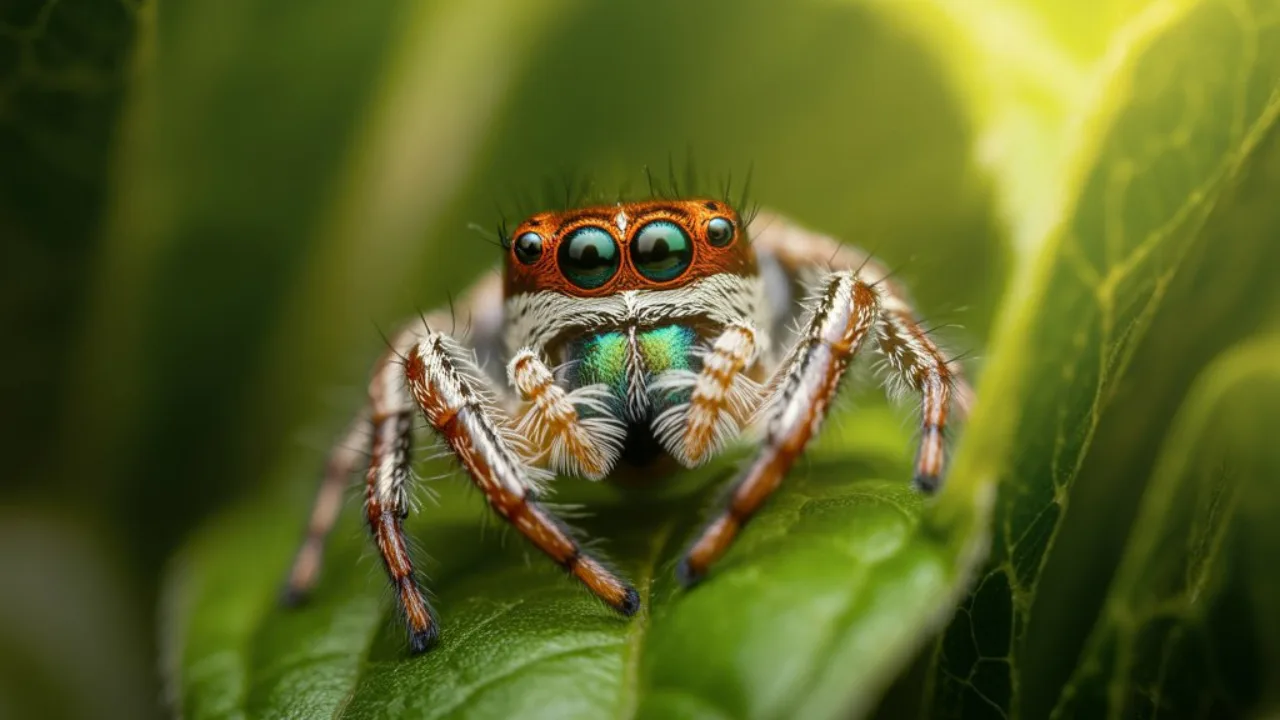
Have you ever noticed a tiny spider watching you, tilting its head as if it’s curious about who you are? That spider might be a jumping spider and yes, many people are now asking whether a jumping spider as a pet is a good idea. Unlike other spiders that hide in corners, jumping spiders are active, intelligent, and surprisingly expressive. Their big forward-facing eyes and calm behavior make them feel less like an insect and more like a tiny companion.
For beginners who want a low-maintenance, fascinating, and safe exotic pet, the idea of keeping a jumping spider is becoming more popular every year. But curiosity alone isn’t enough. You need to understand ethics, care, safety, and the spider’s natural needs before bringing one home. This guide answers the most common questions people ask honestly, responsibly, and based on real care experience-so you can decide whether a jumping spider as a pet is right for you.
How You Can Keep a Jumping Spider as a Pet Safely
Can I Keep a Jumping Spider as a Pet I Found?
Keeping a jumping spider as a pet that you found outdoors is possible but requires preparation. Wild spiders are used to freedom and hunting, so captivity may stress them. Ethical responsibility is important only keep a spider if you can provide proper care, food, and housing. Ensuring a healthy environment allows your jumping spider as a pet to adapt and thrive safely.
Wild vs Captive-Bred Jumping Spiders
Wild jumping spiders are accustomed to hunting, climbing, and evading predators. Captive-bred spiders, on the other hand, are used to enclosure life and regular feeding. They usually adapt faster to indoor conditions and are easier to feed consistently. Beginners are recommended to start with captive-bred spiders to avoid stress. Choosing a captive-bred spider ensures your jumping spider as a pet is healthier, happier, and more resilient in a controlled environment.
Ethical Considerations
Ethics are crucial when keeping a jumping spider as a pet. Removing spiders from the wild should only happen if the spider is injured or in danger. Long-term captivity should follow proper care standards, including safe housing, adequate food, and environmental stability. Respecting natural behavior is essential. By following ethical guidelines, your jumping spider as a pet can live comfortably without experiencing unnecessary stress or harm.
Can a Jumping Spider as a Pet Bond With a Human?
A jumping spider as a pet does not bond like mammals, but it can recognize and respond to visual cues. These spiders are intelligent and may observe their keepers during feeding or daily activity. This recognition is not emotional attachment but demonstrates their awareness and curiosity. Understanding this ensures realistic expectations and proper handling when interacting with a jumping spider as a pet.
Spider Intelligence and Awareness
Jumping spiders have excellent vision and can learn patterns, routines, and movements. They respond to humans in consistent ways, which feels interactive but isn’t emotional. Their intelligence allows keepers to notice small behaviors, making a jumping spider as a pet surprisingly engaging. Observing these responses without forcing interaction ensures minimal stress and a more enjoyable pet-keeping experience.
Recognition vs Attachment
Recognition means familiarity, not affection. A jumping spider as a pet may calm down around its keeper but does not seek attention. Respecting this boundary is vital for safe interaction. Observing their natural behaviors and responding appropriately allows a more satisfying experience while preventing stress or harm to your jumping spider as a pet.
Do Jumping Spiders Like to Be Pet as a Pet?
A jumping spider as a pet does not enjoy being petted like mammals. Touching should be minimal, as these spiders are sensitive. Most calm behavior is freezing rather than enjoyment. Responsible interaction focuses on observation, not handling, ensuring your jumping spider as a pet remains stress-free.
Touch and Stress Signals
Jumping spiders signal stress by freezing, jumping away, hiding, or refusing food. A jumping spider as a pet should only be touched gently, if at all. Understanding these signals prevents accidental harm. Observing without touching is often the best approach to maintain comfort and safety for your spider.
Safe Interaction Rules
Allow spiders to climb onto your hand voluntarily. Avoid poking or restraining them. Short, gentle handling is acceptable, but overhandling leads to stress. Following these guidelines ensures your jumping spider as a pet remains healthy and content while letting you enjoy interactive observation.
Is It Okay to Hold a Jumping Spider as a Pet?
Jumping spider as a pet in a carefully designed enclosure with climbing space and live prey
Holding a jumping spider as a pet is safe only when done gently and briefly. Their fragile bodies make them vulnerable to falls, so handling should be optional. They are non-aggressive, rarely bite, and prefer minimal contact.
Proper Handling Method
Place your hand flat and let the spider climb voluntarily. Avoid sudden movements. Short sessions are best. A jumping spider as a pet benefits more from observation than constant physical contact, which helps maintain calm behavior.
Risks of Overhandling
Overhandling increases stress, chance of injury, and shortened lifespan. Keeping contact minimal protects your jumping spider as a pet and ensures it thrives in a controlled environment. Respecting boundaries is key to responsible care.
Is It Cruel to Keep a Jumping Spider as a Pet?
Keeping a jumping spider as a pet is not cruel if ethical care is followed. Proper housing, diet, and minimal stress create a safe environment. Cruelty arises from neglect, poor enclosures, or inadequate feeding.
Captive Care vs Wild Life
Captivity removes predators and environmental dangers. With correct conditions, a jumping spider as a pet can live safely, hunting small insects provided in their enclosure. Mimicking natural environments with climbing spaces ensures their well-being.
Responsible Ownership
Responsibility means clean enclosures, proper food, and minimal stress. A jumping spider as a pet kept responsibly lives a long, healthy life. Ethical ownership ensures the spider thrives without experiencing cruelty or neglect.
What Is the #1 Deadliest Spider?
Deadliest spiders, like funnel-web or Brazilian wandering spiders, are dangerous due to venom. A jumping spider as a pet is harmless in comparison and poses no medical threat. Beginners can safely keep them indoors.
Venom vs Danger
Jumping spiders possess mild venom for subduing prey but are harmless to humans. Understanding this prevents fear and allows people to safely enjoy keeping a jumping spider as a pet without health concerns.
What Is the Safest Spider as a Pet?
A jumping spider as a pet is among the safest spiders. Non-aggressive, small, and low-risk, they are ideal for beginners. Their docile behavior and minimal venom make them safe companions.
Why Jumping Spiders Are Safe
They rarely bite, prefer avoidance over aggression, and do not spin large webs indoors. This makes a jumping spider as a pet a reliable and safe choice, especially for first-time spider owners.
What Is the Scariest Spider?
Appearance often determines fear. Large, hairy spiders may seem terrifying but are often harmless. In contrast, a jumping spider as a pet looks friendly with expressive eyes and small size, reducing fear while offering curiosity-driven observation.
Fear vs Reality
Media exaggerates spider danger. Education and observation reveal harmless behavior. Keeping a jumping spider as a pet demonstrates that fear often comes from myths, not actual threat.
What Are Spiders Afraid Of?
Spiders, including a jumping spider as a pet, fear predators, vibrations, and environmental changes. Stability and minimal disturbance reduce stress. Observing natural behavior helps maintain health.
Common Spider Threats
Temperature changes, predators, dehydration, and sudden disturbances threaten spiders. Proper care ensures a jumping spider as a pet lives comfortably, safely exploring its enclosure without stress or fear.
Conclusion
Keeping a jumping spider as a pet is an enriching, low-maintenance, and safe way to enjoy exotic animal care. These spiders are intelligent, curious, and visually engaging, making them ideal for beginners or enthusiasts seeking a small, interactive companion. While they do not bond emotionally, jumping spiders recognize patterns and respond to routine, offering a unique observing experience. Proper housing, regular feeding, minimal handling, and ethical care ensure your jumping spider as a pet thrives and lives a long, stress-free life.
They are harmless, require limited space, and provide fascination without risk, distinguishing them from other exotic pets. Understanding their natural behavior, respecting boundaries, and ensuring environmental stability are key. With the right approach, keeping a jumping spider as a pet is not only ethical but also deeply rewarding, offering endless curiosity and enjoyment for anyone willing to care responsibly.
FAQ
Can I keep a jumping spider I found outside?
- Yes, but it’s recommended to consider ethical and safety factors. Captive-bred spiders are easier for beginners.
How long does a jumping spider live in captivity?
- Typically 1–2 years depending on species, diet, and care quality.
What do jumping spiders eat as pets?
- Small insects like fruit flies, crickets, and other tiny arthropods.
Can jumping spiders bond with humans?
- They don’t form emotional bonds, but they recognize patterns and may respond to human presence.
Is it safe to handle a jumping spider?
- Yes, gently and briefly. Avoid excessive handling to reduce stress.
Do jumping spiders need large enclosures?
- No, small vertical enclosures with climbing space are sufficient.
How do I know if my jumping spider is stressed?
- Signs include hiding, freezing, refusing food, or rapid movements.
Are jumping spiders safe for children?
- Yes, they are non-aggressive and rarely bite. Supervision is recommended.
Is it cruel to keep a jumping spider as a pet?
- Not if ethical care, proper feeding, and suitable enclosures are provided.
Can jumping spiders live together?
