
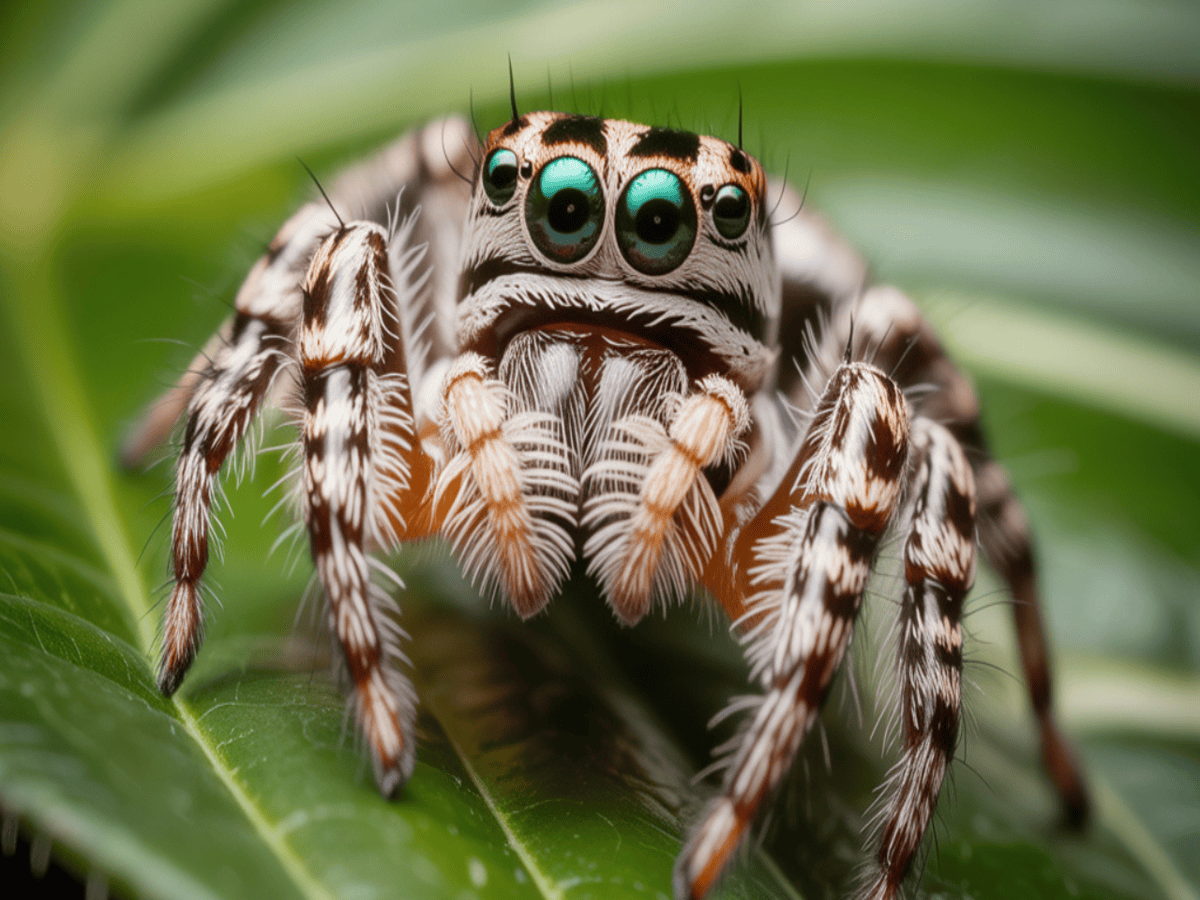
Jumping Spider Feeding & Care Guide for Beginners
Jumping Spider Feeding is one of the most important aspects of keeping a healthy and active pet spider. In the USA, more beginners are now keeping jumping spiders due to their intelligence, unique hunting behavior, and low maintenance care requirements.
However, proper feeding is often misunderstood. Many new keepers are unsure about what to feed, how often to feed, and whether insects like mosquitoes or fruit flies are safe. As a result, incorrect feeding can lead to stress or poor health in spiders.
In fact, jumping spiders are active visual hunters. They depend on movement and vibration to detect prey. Therefore, understanding their natural feeding behavior is essential for success in captivity.
- What is the best jumping spider food
- How often to feed jumping spider safely
- How to use a jumping spider feeding dish correctly
- Which insects are safe and nutritious
Additionally, this guide is based on real USA-based spider keeping practices. Therefore, you will learn practical and reliable care methods used by experienced keepers.
On the other hand, improper feeding routines can reduce activity levels and affect molting cycles. Therefore, consistency is more important than variety alone.
In this complete guide, we will break down everything step by step. You will learn how to feed fruit flies to jumping spiders, build a feeding schedule, and avoid common beginner mistakes.
Let’s begin by understanding how jumping spiders actually behave when it comes to food and hunting.
Understanding Jumping Spider Feeding Behavior
To master Jumping Spider Feeding, it is essential to understand how these spiders behave in nature. Unlike web-building spiders, jumping spiders are active hunters that rely on vision, patience, and precise movement.
In fact, they are among the most intelligent spider species. Their advanced eyesight helps them detect even the smallest movement from a distance. Therefore, feeding success depends heavily on how prey behaves inside the enclosure.
How Jumping Spiders Detect Food
Jumping spiders do not rely on webs. Instead, they actively track prey using multiple eyes positioned around their head.
- Front eyes provide sharp focus and depth perception
- Side eyes detect motion from different angles
- Movement triggers hunting response instantly
As a result, live insects are always preferred over dead prey in captivity.
Why Movement Is the Key Factor
Feeding response is strongly triggered by motion. Even a small moving insect can activate a hunting instinct immediately.
- Fast movement increases attention
- Irregular motion improves attack behavior
- Still or dead insects are often ignored
However, hunger level also plays a role. A well-fed spider may ignore prey even if it moves nearby.
Natural Feeding Style in the Wild
In the wild, jumping spiders consume a wide range of insects depending on availability. This includes flies, gnats, and occasionally small mosquitoes.
Therefore, they are opportunistic feeders rather than specialized hunters. This flexibility helps them survive in different environments.
- Prefer small flying insects
- Adapt diet based on availability
- Hunt during active daylight hours
Captive Behavior Differences
In captivity, behavior changes slightly due to limited space and controlled feeding conditions. As a result, feeding becomes more predictable but less random.
- Reduced hunting range
- Dependence on keeper-provided food
- Higher acceptance of feeder insects like fruit flies
On the other hand, proper enclosure setup can still encourage natural hunting instincts.
Key Insight
In conclusion, successful Jumping Spider Feeding depends on understanding behavior first. Once you learn how they see, track, and attack prey, feeding becomes much easier and more consistent.
Next, we will explore the best food options that support healthy growth and strong activity levels.
Best Jumping Spider Food for Healthy Growth
Choosing the right Jumping Spider Feeding options is essential for long-term health, activity, and successful molting. In the USA, experienced keepers focus on safe, small, and nutritionally balanced feeder insects.
In fact, feeding the wrong food can cause refusal, stress, or weak growth. Therefore, selecting proper prey is more important than feeding frequency alone.
Top Safe Food for Jumping Spiders
These feeder insects are widely recommended due to safety and consistency.
- Fruit flies: Best for spiderlings and small juveniles
- House flies: Ideal for adult jumping spiders
- Pinhead crickets: High protein for growth and strength
- Small moths: Occasional natural prey option
Additionally, fruit flies are the most commonly used food in beginner setups due to their easy availability and safe size.
Why Variety Matters in Diet
Feeding only one type of insect can limit nutrition over time. Therefore, variety improves overall health and hunting behavior.
- Improves digestion and energy levels
- Encourages natural hunting instincts
- Reduces feeding refusal behavior
However, variety should still remain within safe feeder insect categories only.
Can Jumping Spiders Eat Fruit?
Jumping spiders cannot eat fruit because they are strict carnivores. They rely on liquid nutrients from insects, not plant-based food.
Therefore, fruits like apple, banana, or sugar water are not suitable for their diet.
Understanding Feeding Size Rule
One important rule in Jumping Spider Feeding is prey size matching.
- Prey should be smaller than spider abdomen
- Larger insects may cause stress or injury
- Spiderlings require microscopic feeders only
On the other hand, adults can handle slightly larger insects like house flies or small crickets.
Key Insight
In conclusion, the best jumping spider food is always live, safe, and appropriately sized insects. A balanced feeder insect diet ensures healthy growth and consistent activity.
Next, we will explore how often you should feed your jumping spider for best results.
Jumping Spider Feeding Schedule for Beginners
A proper Jumping Spider Feeding schedule is essential for maintaining health, energy, and consistent growth. In fact, feeding too often or too rarely can both create problems for your spider.
Therefore, understanding timing is just as important as choosing the right food. In the USA, experienced keepers follow a simple schedule based on age and activity level.
How Often to Feed Jumping Spider
Feeding frequency depends on the spider’s life stage.
- Spiderlings: Every 1 to 2 days
- Juveniles: Every 2 to 3 days
- Adults: Every 3 to 5 days
Additionally, smaller meals are better than large infrequent feeding sessions.
Signs Your Spider Is Hungry
Understanding behavior helps you adjust the schedule naturally.
- Active movement and roaming
- Focused hunting posture
- Flat or slightly reduced abdomen size
On the other hand, a swollen abdomen usually means the spider does not need food yet.
What Happens with Overfeeding
Overfeeding is a common beginner mistake. However, it can create serious issues over time.
- Reduced movement and activity
- Difficulty during molting
- Increased stress in confined spaces
Therefore, it is better to underfeed slightly than overfeed regularly.
What Happens with Underfeeding
Underfeeding can also cause problems if it continues for too long.
- Low energy and slow movement
- Weak hunting response
- Delayed growth in juveniles
However, jumping spiders can survive longer gaps between meals compared to many other pets.
Feeding Schedule Best Practice
In real USA-based care routines, consistency is the key factor.
- Feed at the same time of day when possible
- Observe abdomen size before feeding
- Adjust schedule based on behavior
As a result, your spider develops a stable feeding pattern and better overall health.
Key Insight
In conclusion, a balanced Jumping Spider Feeding schedule improves health more than frequent feeding. Consistency, observation, and adjustment are the real keys to success.
Next, we will discuss safe feeding methods including the use of feeding dishes and direct feeding techniques.
Safe Jumping Spider Feeding Methods
Proper Jumping Spider Feeding is not only about food choice and timing. In fact, the feeding method also plays a major role in success, safety, and stress reduction.
Therefore, using the correct technique helps your spider hunt naturally while avoiding injury or escape of feeder insects inside the enclosure.
Direct Feeding Method
This is the most common method used by beginners and experienced keepers in the USA.
- Place live prey directly into the enclosure
- Allow spider to hunt naturally
- Best for fruit flies and house flies
However, supervision is recommended to ensure the prey is fully consumed.
Using a Jumping Spider Feeding Dish
A Jumping Spider Feeding Dish is a small container used to control feeder insects during feeding time. It is especially useful for beginners.
- Keeps insects contained in one area
- Reduces escape inside enclosure
- Makes feeding process cleaner and safer
Additionally, it helps spiders focus on a specific hunting zone, improving feeding success rates.
Tweezer Feeding Method
This method involves holding feeder insects using soft tweezers and presenting them to the spider.
- Useful for controlled feeding
- Helps weaker or shy spiders eat
- Prevents insects from escaping
On the other hand, not all spiders respond well to this method, especially highly active hunters.
Important Feeding Safety Tips
Safe feeding practices reduce stress and injury risks.
- Avoid overly large insects
- Do not leave live prey unattended for long periods
- Remove uneaten insects after feeding
Additionally, never use wild-caught insects unless you are certain they are pesticide-free.
Best Practice in USA Spider Keeping
Experienced keepers prefer simple, low-stress feeding routines. Therefore, direct feeding with fruit flies or flies remains the most popular method.
As a result, spiders become more confident hunters and maintain better health over time.
Key Insight
In conclusion, safe Jumping Spider Feeding methods improve both feeding success and spider wellbeing. Choosing the right technique is just as important as choosing the right food.
Next, we will explore common feeding mistakes beginners should avoid.
Common Jumping Spider Feeding Mistakes Beginners Make
Proper Jumping Spider Feeding can feel simple, but beginners often make small mistakes that affect spider health and behavior. In fact, most issues come from incorrect prey choice or inconsistent routines.
Therefore, understanding these mistakes early helps you avoid stress, feeding refusal, and poor growth in your spider.
Overfeeding the Spider
One of the most common mistakes is feeding too often.
- Leads to swollen abdomen
- Reduces hunting activity
- Can slow down molting process
However, jumping spiders do not need daily feeding once they reach adulthood.
Using Incorrect Prey Size
Prey size plays a major role in successful feeding.
- Too large insects may scare or injure the spider
- Too small insects may not trigger hunting response
- Balanced size ensures successful feeding
Therefore, fruit flies are ideal for spiderlings, while house flies suit adults better.
Using Wild-Caught Insects
Many beginners try to feed wild insects found indoors or outdoors.
- Risk of pesticides or chemicals
- Possible parasites or diseases
- Unpredictable feeding behavior
On the other hand, captive-bred feeder insects are always safer and more reliable.
Ignoring Molting Stages
Jumping spiders stop eating before and during molting.
- Feeding during molting can cause stress
- Spider may ignore food completely
- Disturbance can lead to injury
Therefore, it is important to observe behavior before offering food.
Improper Feeding Environment
Environment affects feeding success more than many beginners realize.
- Poor lighting reduces hunting response
- Stressful handling lowers appetite
- Unstable temperature affects activity levels
As a result, a calm and stable enclosure improves feeding behavior significantly.
Key Insight
In conclusion, avoiding these mistakes ensures smooth Jumping Spider Feeding and better long-term health. Consistency, observation, and proper prey selection are the foundation of success.
Next, we will compare different feeding options and their effectiveness in a simple table format.
Comparison of Jumping Spider Food Options
Understanding Jumping Spider Feeding becomes easier when you compare different food options side by side. In fact, not all insects provide the same nutrition, safety, or feeding success rate.
Therefore, this comparison helps beginners choose the best and most reliable feeder insects for healthy spider growth.
Feeding Comparison Table
| Food Type | Nutrition Value | Feeding Success | Safety Level | Ease of Use |
|---|---|---|---|---|
| Fruit Flies | Medium | Very High | High | Very Easy |
| House Flies | High | High | High | Moderate |
| Small Crickets | High | High | Medium | Easy |
| Mealworms | Medium | Moderate | Medium | Easy |
| Mosquitoes | Low | Unreliable | Low to Medium | Difficult |
Key Differences Explained
Each feeder insect has its own advantages. However, fruit flies and house flies are the most commonly used in USA-based spider care setups due to their reliability.
- Fruit flies are best for spiderlings
- House flies support active hunting behavior
- Crickets provide high protein for growth
- Mosquitoes are inconsistent and less reliable
Which Food Is Best Overall?
Based on real feeding success, fruit flies and house flies are the most effective choices for beginners. Therefore, they form the core of a stable Jumping Spider Feeding routine.
On the other hand, mosquitoes should only be considered accidental or occasional prey, not a planned food source.
Expert Insight
In USA spider keeping communities, consistency matters more than variety alone. As a result, controlled feeder insects always outperform wild insects in long-term care.
Key Insight
In conclusion, selecting the right food improves feeding success, reduces stress, and supports healthy growth. A balanced feeder insect diet is always the safest approach.
Next, we will explore pros and cons of different feeding strategies in detail.
Pros and Cons of Different Jumping Spider Feeding Methods
Understanding Jumping Spider Feeding methods helps beginners choose the safest and most effective approach. In fact, each feeding style has its own strengths and limitations depending on spider behavior and environment.
Therefore, comparing pros and cons ensures better decision-making and long-term care success.
Live Feeding Method
This is the most natural feeding method used by keepers in the USA.
Pros
- Triggers natural hunting behavior
- Higher feeding success rate
- Improves spider activity and confidence
Cons
- Insects may escape in enclosure
- Requires supervision
- Not ideal for very small setups
Feeding Dish Method
Using a Jumping Spider Feeding Dish helps control insects during feeding time.
Pros
- Keeps insects contained
- Reduces mess and escape risk
- Easy for beginners to manage
Cons
- Some spiders may ignore trapped prey
- Requires setup adjustment
- Not always natural hunting experience
Tweezer Feeding Method
This method involves offering food directly using soft tweezers.
Pros
- Controlled and safe feeding
- Useful for shy or weak spiders
- Prevents insect escape
Cons
- Some spiders refuse artificial feeding
- Requires patience and technique
- Less natural hunting stimulation
Pre-Killed Feeding Method
In this method, insects are offered after being killed.
Pros
- Safe from live prey injury
- Easy to handle
- Useful in emergencies
Cons
- Low acceptance rate
- No movement stimulation
- Less nutritional appeal
Key Insight
In conclusion, no single method is perfect for every situation. However, live feeding combined with controlled observation remains the most effective Jumping Spider Feeding strategy.
Next, we will cover real-world care insights and customer experiences from USA spider keepers.
Customer Testimonial Highlights from USA Spider Keepers
Real-world experiences help us better understand Jumping Spider Feeding in practical environments. In fact, USA-based spider keepers often share valuable insights based on daily care routines and feeding behavior.
Therefore, these testimonials provide a clearer picture of what actually works in real-life setups, beyond theory alone.
Beginner Keeper Experiences
Many beginners report that feeder insects make a big difference in feeding success.
- “My spider ignored dead food but quickly ate fruit flies.” – California keeper
- “House flies worked much better than mosquitoes.” – Texas hobbyist
- “Feeding dish helped reduce escape problems.” – Florida keeper
Additionally, most beginners notice improved feeding behavior once they switch to controlled feeder insects.
Common Observations from USA Keepers
Across different regions, similar patterns appear in spider feeding behavior.
- Spiders prefer live moving prey
- Fruit flies are best for beginners
- Feeding consistency improves health significantly
On the other hand, inconsistent feeding routines often lead to reduced activity and food refusal.
Expert Keeper Insights
Experienced USA keepers focus heavily on structure and consistency.
- Controlled feeding schedules
- Use of captive-bred insects
- Minimal stress handling practices
As a result, spiders show stronger hunting responses and healthier molting cycles.
What Beginners Learn Most
Most new keepers quickly realize that Jumping Spider Feeding is not random. Instead, it requires observation and adjustment based on behavior.
- Spider behavior guides feeding timing
- Food type matters more than quantity
- Consistency improves long-term results
Key Insight
In conclusion, real-world experiences confirm that structured feeding routines work best. Therefore, relying on safe feeder insects and consistent schedules ensures healthier and more active spiders.
Next, we will move into a practical care section covering expert feeding tips for beginners.
Expert Jumping Spider Feeding Tips for Beginners
Improving Jumping Spider Feeding is not only about food choice. In fact, expert-level care focuses on timing, environment, observation, and consistency.
Therefore, these practical tips are based on real USA spider-keeping experience to help beginners avoid common mistakes and improve feeding success.
Focus on Consistency Over Variety
Many beginners try too many food types at once. However, consistency is more important than variety.
- Stick to fruit flies for spiderlings
- Use house flies or small crickets for adults
- Avoid frequent diet changes
As a result, spiders adapt better and show more reliable feeding behavior.
Use Proper Feeding Timing
Feeding at the right time increases success rates significantly.
- Feed when spider is active
- Avoid feeding during molting stages
- Observe hunger signals before offering food
On the other hand, forcing food during inactive periods often leads to refusal.
Maintain a Stress-Free Environment
Stress is one of the biggest reasons for feeding refusal.
- Keep enclosure quiet and stable
- Avoid frequent handling during feeding
- Ensure proper temperature and humidity
Additionally, a calm environment encourages natural hunting behavior.
Monitor Abdomen Size
The spider’s abdomen is the best indicator of feeding needs.
- Flat abdomen = hungry spider
- Rounded abdomen = well-fed spider
- Overfilled abdomen = reduce feeding frequency
Therefore, visual observation is more reliable than strict schedules alone.
Use Safe Feeding Practices
Safety is essential for long-term spider health.
- Avoid wild-caught insects
- Use clean feeder insect cultures
- Remove uneaten prey quickly
On the other hand, unsafe feeding can introduce parasites or chemicals.
Key Insight
In conclusion, expert Jumping Spider Feeding is based on observation, consistency, and safe practices. Therefore, small improvements in routine can greatly improve spider health and behavior.
Improve Your Jumping Spider Feeding Today
Mastering Jumping Spider Feeding is the key to keeping a healthy, active, and long-living pet spider. In fact, most care problems come from incorrect feeding habits rather than complex health issues.
Therefore, applying the right feeding schedule, choosing safe feeder insects, and maintaining a stress-free environment will significantly improve your spider’s behavior and growth.
Additionally, beginners in the USA have shown better results when they follow structured feeding routines instead of random feeding practices.
What You Should Do Next
- Start with fruit flies for spiderlings
- Switch to house flies for adult spiders
- Use a simple feeding schedule based on age
- Avoid wild-caught insects whenever possible
On the other hand, ignoring proper feeding practices can lead to stress, poor appetite, and slow development.
Therefore, consistency is the most important factor in successful jumping spider care.
Final Insight
In conclusion, jumping spiders are intelligent and responsive pets that thrive on proper care. With the right Jumping Spider Feeding approach, you can ensure a healthy, active, and visually engaging pet experience.
Now let’s answer some of the most common questions beginners ask.
Frequently Asked Questions
1. How often should I feed a jumping spider?
Spiderlings should be fed every 1–2 days, juveniles every 2–3 days, and adults every 3–5 days depending on activity and abdomen size.
2. What is the best jumping spider food?
Fruit flies are best for spiderlings, while house flies and small crickets are ideal for adults due to higher nutrition and hunting stimulation.
3. Can jumping spiders eat fruit or plants?
No, jumping spiders are strict carnivores. They only eat live insects and cannot digest plant-based food.
4. Do jumping spiders need a feeding dish?
A feeding dish is optional but helpful. It keeps insects contained and makes feeding cleaner and easier for beginners.
5. Why is my jumping spider not eating?
Common reasons include molting stage, overfeeding, stress, or incorrect prey size. Observation is key to solving the issue.
6. Can jumping spiders eat mosquitoes?
Yes, but only occasionally. Mosquitoes are not reliable or nutritious enough to be a primary food source.
7. What happens if I overfeed my jumping spider?
Overfeeding can reduce activity, slow molting, and make the spider less responsive. A balanced schedule is always better.
