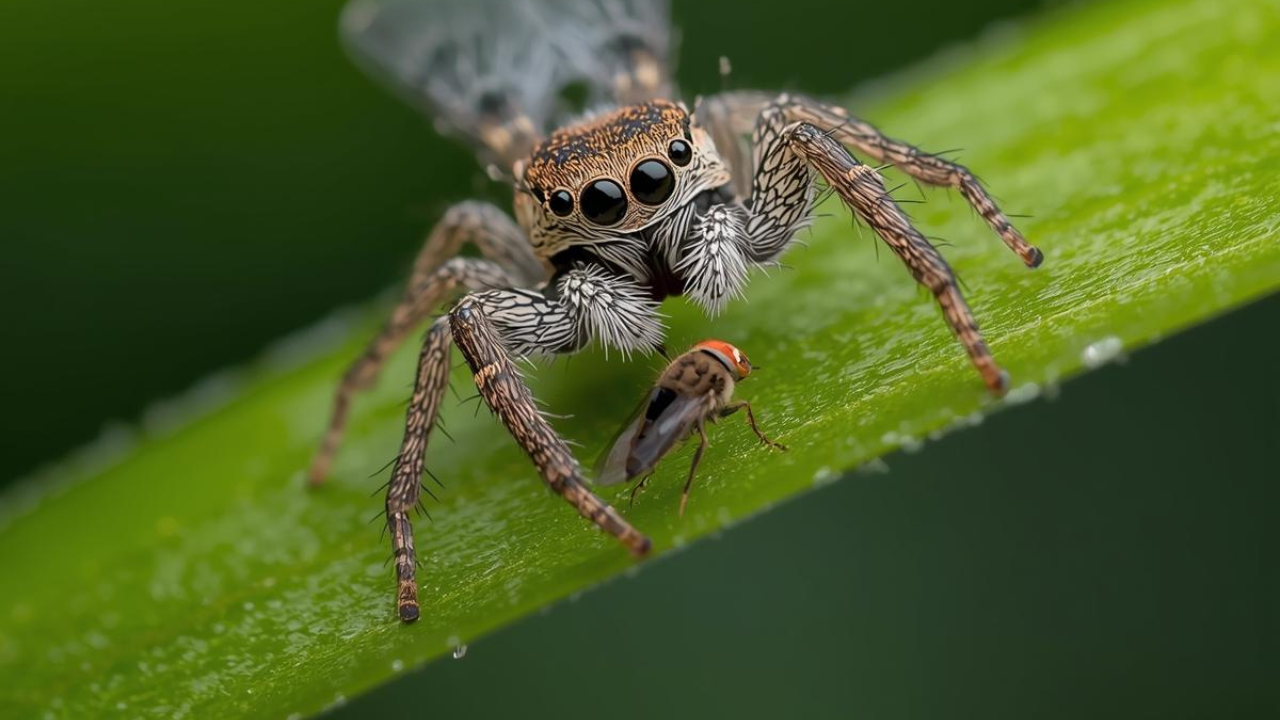
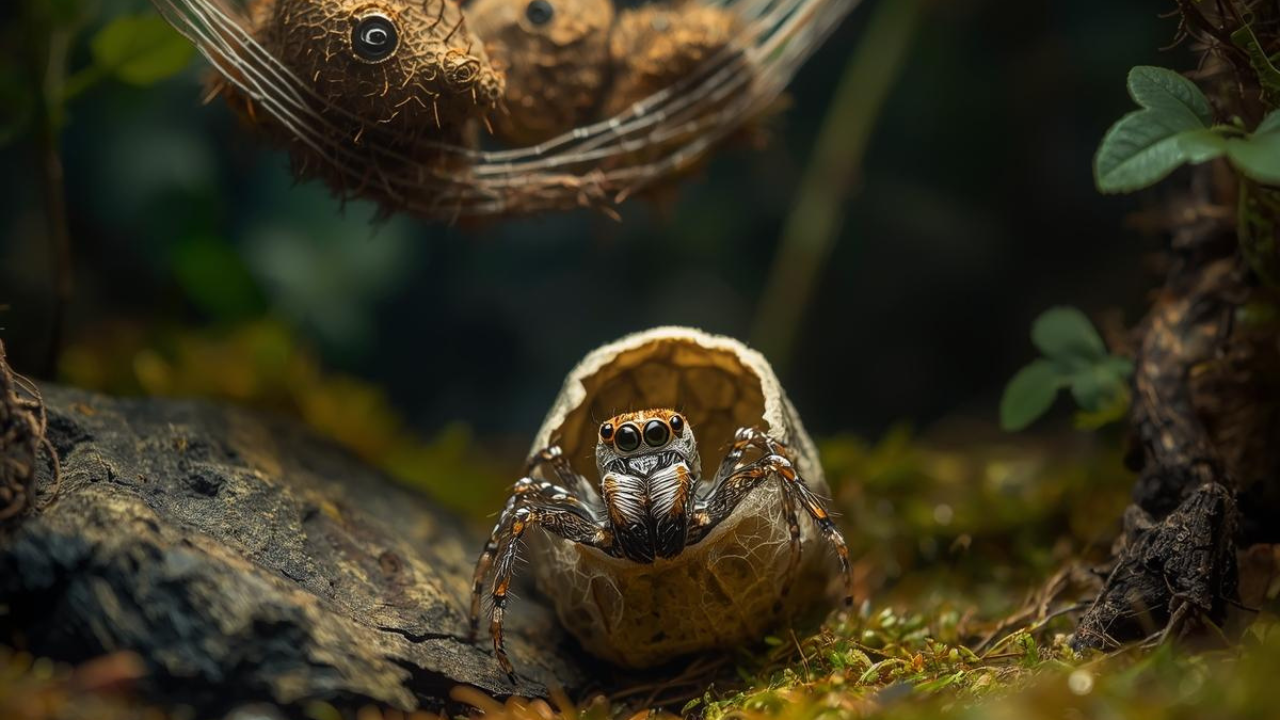
Food for Regal Jumping Spiders is essential to keep these captivating arachnids healthy and thriving. Regal jumping spiders (Phidippus regius) are known for their striking appearance and fascinating behaviors. As a professional with experience in spider care, I have observed that understanding their dietary requirements is crucial for their health and overall well being. These living creatures thrive when given appropriate eating habits and suitable feeders that support their growth and development. In this article, we delve into what to feed these species, focusing on mealworms, fruit flies, wax worms, and crickets, which provide essential nutrition while keeping their habits natural and balanced.
It is important to ensure that all foods offered are appropriately sized to prevent under or over eating. Proper gut-load of nutritious foods such as fruits and vegetables before feeding helps maintain a well-rounded diet, supporting spider health and steady growth. Focusing on the right options and care practices allows regal jumping spiders to remain active and healthy, making the task of feeding them both enjoyable and effective for any enthusiast.

Mealworms: Food for Regal Jumping Spiders
Mealworms are a staple feeder for many spider species, especially regal jumping spiders. These larvae of darkling beetles are rich in protein and fats, providing essential nutrients for spider growth and development. When offering mealworms as part of the food for Regal Jumping Spiders, it is important to ensure they are appropriately sized to prevent under or over eating. Proper gut-load with nutritious foods like fruits and vegetables ensures a well-rounded diet, supporting the health and well-being of these living creatures. In my professional experience, providing mealworms regularly strengthens spider health while maintaining their striking appearance and natural behaviors.
These mealworms are cheap, easy, and alive, making them simple to sustainably breed in plastic tubs or drawers. Juvenile spiders can enjoy them as a snack, while adult spiders can generally overpower adult mealworms for a fulfilling meal. When placing them in an enclosure, be mindful of smooth walls or surfaces, as mealworms cannot climb. They can be dropped carefully in moderation, adding high value to a varied diet. Incorporating mealworms in this way is an excellent addition to the overall food for Regal Jumping Spiders, ensuring these captivating arachnids thrive under proper care and feeding routines.
Fruit Flies: Food for Regal Jumping Spiders
Fruit flies are an excellent feeder for regal jumping spiders, especially for juveniles and smaller individuals. These tiny insects are easy for spiders to catch and consume, providing protein, moisture, and other necessary nutrients for healthy growth and overall well-being. They can be cultured at home using commercially available kits, making them a convenient and cost-effective option. In my professional experience, offering fruit flies regularly as part of the food for Regal Jumping Spiders supports their enrichment and natural behaviors, while maintaining their striking appearance.
These creatures are readily available in pet stores, online, and even angler shops, with larvae often sold cheaply. Incorporating fruit flies as a feeder allows spiders to enjoy a natural and balanced diet. This practice ensures that your regal jumping spiders receive the nutrition they need without difficulty, while keeping feeding simple, effective, and aligned with proper care routines.
Wax Worms: Food for Regal Jumping Spiders
Wax worms are a high-fat feeder that can be offered occasionally to regal jumping spiders as a treat. While they should not make up the primary diet due to their high-fat content, these worms can provide a source of energy and variety in a spider’s diet. Moderation is key when feeding wax worms to prevent obesity and nutritional imbalances. These caterpillar larvae can be provided as larvae or as moths once they pupate and hatch, ensuring a natural feeding experience. In my professional experience, adding wax worms to the food for Regal Jumping Spiders supports spider development and healthy growth, while complementing other feeders like mealworms.
These worms are easily found in pet stores, online, or sold in tubs, often with substrate that doubles as food. They can be stored in cooler temperatures for a few weeks, and higher temperature can accelerate pupation and hatch into moths faster. Due to size considerations, sub-adult and adult spiders can be fed wax worms safely without overfeeding. Adding a few wax worms to a spider enclosure along with mealworms ensures a steady, balanced diet across all development stages, providing a high-quality food for Regal Jumping Spiders while maintaining proper care routines.
Crickets: Food for Regal Jumping Spiders
Crickets are a classic feeder insect that is widely available in pet shops and can also be purchased online. They come in various sizes, starting with micro crickets, which are perfect for spiderlings, and up to sub-adults or adult Phidippus. Jumping spiders will actively react when offered a cricket, especially if hungry, but care must be taken with old, moulting, or inactive spiders, as leaving crickets in the enclosure too long can be dangerous, even leading to biting or killing the spider. In my professional experience, feeding crickets as part of the food for Regal Jumping Spiders stimulates natural hunting behaviors and encourages healthy activity.
These crickets are commonly used for a variety of spider species, including regal jumping spiders, as they are rich in protein and can enhance nutritional value when gut-loaded with nutritious foods like leafy greens and grains. Choosing appropriately sized crickets ensures they match the spider’s body and support growth across all development stages. Regular offering of these feeder insects adds variety and a natural feeding experience, making them an essential component of the food for Regal Jumping Spiders while maintaining proper care and enclosure management.
FAQ
What do I feed a regal jumping spider?
Regal jumping spiders are versatile eaters and can eat a variety of feeder insects. They enjoy pinhead crickets, mealworms, soldier fly spikes, soldier flies, blue bottle spikes, blue bottle flies, small dubia roaches, and wax worms. It’s important to keep the feeder no bigger than your spider, and always remove any uneaten insects to prevent them from injuring your spider. In my professional experience, providing a mix of these foods as part of the food for Regal Jumping Spiders ensures proper nutrition, supports growth, and encourages natural hunting behaviors.
When feeding, observe the spider’s reactions to ensure they are actively eating. Some feeders may not be immediately consumed if the spider is old, molting, or simply not hungry. Maintaining a safe feeding environment and offering appropriately sized feeder insects like crickets or mealworms ensures a healthy diet. This method guarantees that your regal jumping spider receives a balanced mix of nutrition while avoiding potential injury from leftover or oversized insects, making it an essential part of the overall food for Regal Jumping Spiders.
What is the most nutritious food for jumping spiders?
Flies are an excellent feeder for jumping spiders, providing the necessary nutrients and enrichment they need for healthy growth. These creatures are readily available in pet stores, online, or bought cheaply from angler stores. Including flies as part of the food for Regal Jumping Spiders ensures your spiders receive a balanced mix of nutrition while maintaining natural hunting behaviors.
Larvae of flies are particularly useful as a feeder, offering high nutritional value in a small, easy-to-consume form. By providing a mix of adult flies and larvae, you can support the spider’s development, keep them engaged, and ensure that your regal jumping spiders thrive. In my professional experience, consistently including flies in the food for Regal Jumping Spiders makes a significant difference in overall health and vitality.
Can I feed my jumping spider meat?
Jumping spiders are different from tarantulas, which can eat meat directly. Jumpers typically suck the insides of their prey, so they mainly need bugs as a food source. In my professional experience, providing insects is essential as part of the food for Regal Jumping Spiders, ensuring proper nutrition and maintaining their natural hunting behaviors.
In a pinch, you can give a little extra hydration or energy with safe foods like honey, sugar water, watermelon, or other fruits. These can help temporarily, but they should not replace insects in the spider’s diet. Consistently focusing on bugs keeps your jumping spiders healthy, active, and thriving while providing a balanced food for Regal Jumping Spiders.
Conclusion
Feeding your regal jumping spiders a variety of healthy food like mealworms, fruit flies, wax worms, crickets, and flies provides essential nutrients that support growth, development, and overall well-being. These fascinating arachnids rely on bugs as their main food source, while occasional supplements like fruits, honey, or sugar water can give extra hydration and energy.
It’s important to choose appropriately sized feeders, remove uneaten insects, and maintain a safe enclosure to prevent injury. Observing your jumping spiders during feeding encourages their natural hunting behaviors and ensures they eat properly. Consistently offering a balanced and varied diet helps maintain their striking appearance, activity, and health. By focusing on high-quality food for Regal Jumping Spiders, you provide the care these captivating creatures need to thrive in a healthy and enriched environment.