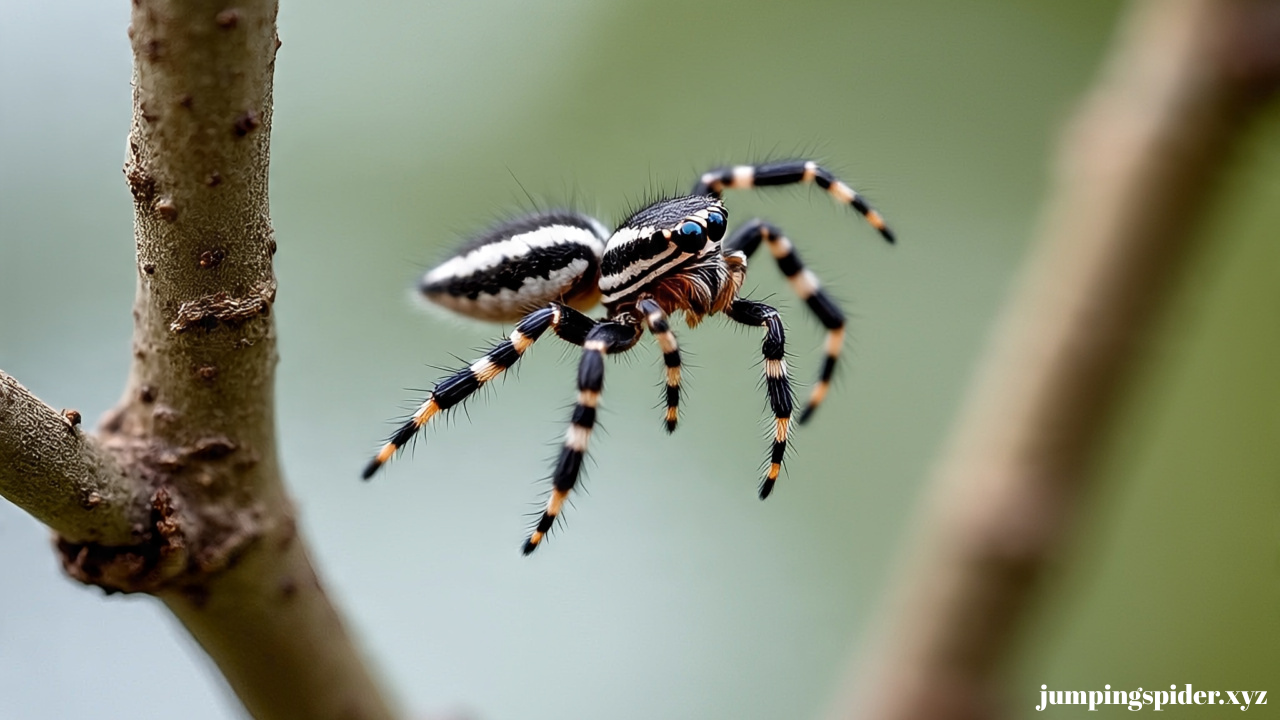
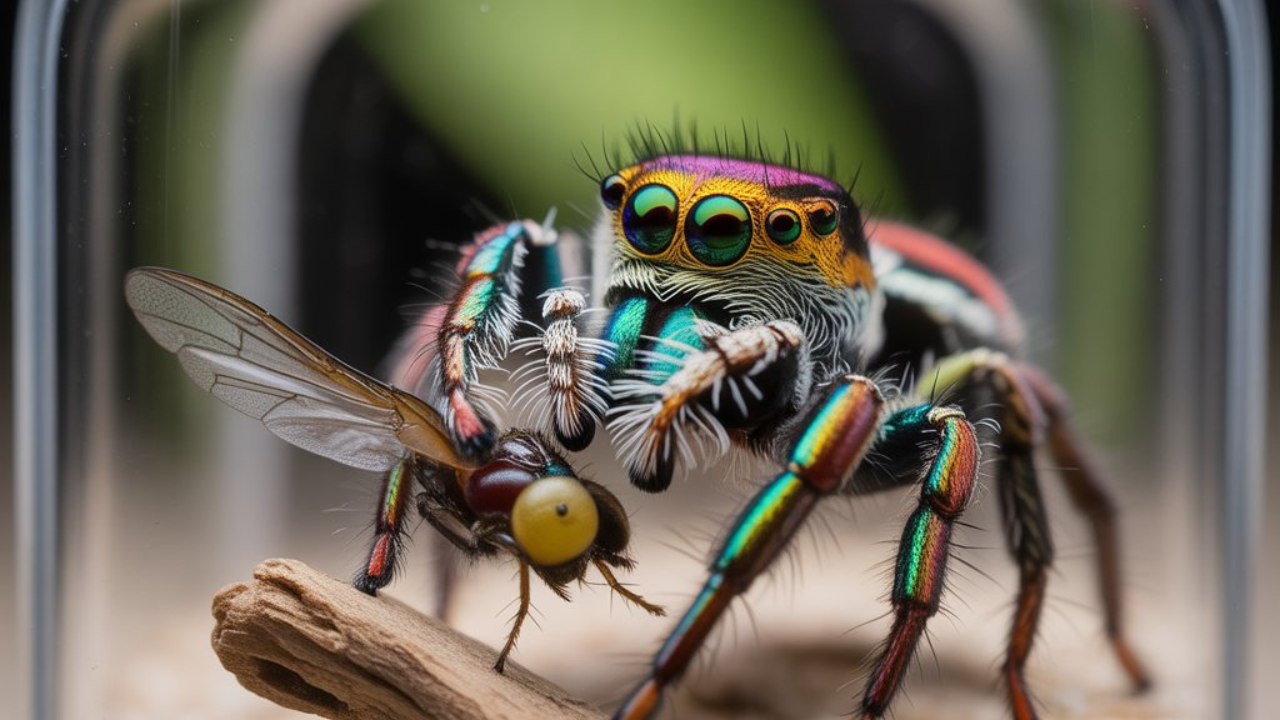
Jumping spiders are some of the most captivating and intelligent tiny creatures that hobbyists love to observe. Their agility, vivid colors, and curious behavior make them ideal pets for enthusiasts of all levels. Understanding the Jumping Spider Lifespan is essential to provide proper care, a safe habitat, and the right diet. In the wild, these spiders face predators, environmental stress, and limited food, which often shortens their life compared to captivity.
Female spiders typically live longer than males, and factors like diet, humidity, temperature, and handling affect longevity. By learning their growth stages,Ultimate Baby Jumping Spider Care for Healthy Growth molting cycles, and behavioral changes, owners can prevent health problems, support development, and maximize active years. This complete guide shares expert tips, practical advice, and insights to extend your spider’s healthy lifespan, allowing you to enjoy watching these tiny hunters thrive, grow, and display their natural behaviors for years to come.

What Is Jumping Spider Lifespan?
The Jumping Spider Lifespan refers to how long these spiders live from the sling stage through adulthood. Life expectancy varies by species, gender, and environment. In captivity, spiders often live longer than in the wild due to consistent food, controlled temperature, and reduced threats. Female spiders usually outlive males, sometimes by months or even a year, depending on species. Lifespan depends on several factors, including diet, habitat quality, stress, genetics, and overall health. Knowing the lifespan helps owners plan feeding schedules, molting care, and enclosure setup for optimal longevity.
Observing spiders regularly allows for early detection of health problems, ensuring timely interventions. Understanding average lifespan also guides expectations for breeding, activity levels, and behavior changes. By providing proper nutrition, maintaining a clean environment, and minimizing stress, you can ensure your jumping spider remains active and healthy throughout its life, maximizing the Jumping Spider Lifespan and overall enjoyment as a pet.
Growth Stages That Influence Jumping Spider Lifespan
Sling Stage Early Lifespan Development
The sling stage is the first life phase after hatching. These tiny spiders are extremely vulnerable and require careful feeding and a secure habitat. Live prey like fruit flies or pinhead crickets provide essential nutrients for growth. Maintaining proper humidity and temperature is critical to prevent molting complications, which can be fatal at this stage. Gentle observation minimizes stress, helping to set a strong foundation for longevity. Successful care during the sling stage directly influences the Jumping Spider Lifespan, ensuring that juveniles grow strong and develop essential hunting skills.
Juvenile Stage Rapid Growth Phase
During the juvenile stage, spiders grow rapidly and molt frequently. Adequate space, vertical climbing structures, and hiding spots are crucial for strength and agility. A protein-rich diet of live insects like crickets or fruit flies ensures healthy development. Environmental consistency,How You Can Keep a Jumping Spider as a Pet Safely including humidity, temperature, and lighting, supports successful molts. Juvenile care is critical for longevity, as mistakes can shorten lifespan. Observing feeding behavior, molting success, and activity levels ensures healthy growth and maximizes the Jumping Spider Lifespan, preparing the spider for adulthood.
Adult Stage Final Timeline of Jumping Spider Lifespan
Adulthood marks full size, sexual maturity, and complex behaviors such as hunting and courtship. Females typically live longer, while males often focus on mating, which may shorten their lifespan. Proper diet, a stress-free environment, and safe climbing areas support health. Observing activity, molting success, and behavior changes helps maintain longevity. Adult spiders with optimal care enjoy a longer, active life. This stage demonstrates the full potential of the Jumping Spider Lifespan, letting owners observe their spider’s personality and natural behaviors for years.
Ultimate Factors That Affect Jumping Spider Lifespan
Genetics and Species Variation
Species and genetics play a major role in lifespan. Some, like Phidippus Regius, live 3–4 years in captivity, while smaller species live 1–2 years. Genetics influence molting success, immunity, and activity levels. Understanding your spider’s species allows better predictions of lifespan and care requirements. By choosing the right species and providing appropriate care, owners can maximize the Jumping Spider Lifespan and prevent premature health issues.
Diet Quality and Feeding Routine
A balanced diet is essential for longevity. Live prey such as fruit flies, small crickets, and mealworms provide protein and nutrients. Overfeeding or feeding inappropriate prey can lead to obesity or malnutrition, shortening lifespan. A consistent feeding schedule and monitoring prey size ensures healthy growth, supports molting, and extends the Jumping Spider Lifespan.
Habitat Conditions (Humidity, Temperature, Space)
Proper habitat conditions are vital. Temperature and humidity must match species-specific needs to prevent stress or molting failures. Vertical space allows climbing, while hiding spots reduce stress and protect the spider. A clean, ventilated terrarium supports overall health and maximizes Jumping Spider Lifespan.
Handling Stress and Disturbance
Excessive handling or frequent disturbances can increase stress, reducing lifespan. Observing spiders without unnecessary interaction promotes natural behavior and health. Limiting handling ensures safe, active, and vibrant spiders, supporting a longer Jumping Spider Lifespan.
Health Issues, Molting Problems & Injury Risks
Molting complications, injuries, or infections are common lifespan reducers. Safe climbing surfaces, proper humidity, and a nutritious diet prevent most issues. Early detection and timely intervention maintain health and extend the Jumping Spider Lifespan. Regular observation during molts ensures the spider’s wellbeing and helps owners provide corrective care before serious issues arise.
Keywords: jumping spider care tips, jumping spider molting stages
How to Increase Jumping Spider Lifespan Naturally
- Ideal Enclosure Setup
- A well-maintained enclosure is essential. Vertical terrariums with climbing branches, hiding spots, and ventilation provide space to explore safely. Substrate should retain moisture for proper humidity. Maintaining clean water and suitable light cycles reduces stress. A thoughtfully arranged habitat directly supports the Jumping Spider Lifespan, allowing healthy development and safe exploration while minimizing injury or molting complications.
- Feeding for Maximum Lifespan
A diet of live, nutrient-rich insects promotes growth, successful molting, and strong immunity. Avoid overfeeding to prevent obesity and underfeeding to prevent malnutrition. Proper prey size, rotation, and variety ensure balanced nutrition, directly influencing the Jumping Spider Lifespan and overall health. - Stress-Free Environment
Minimizing disturbances like loud noises, frequent handling, or enclosure changes reduces stress. A calm, stable environment encourages natural behavior, activity, and hunting skills. A stress-free habitat contributes significantly to a longer, healthier Jumping Spider Lifespan. - Injury Prevention Tips
Prevent injuries by avoiding sharp décor or unstable climbing surfaces. Use secure branches and soft substrates for safe exploration. Reducing risk of falls or damage supports healthy growth and maximizes Jumping Spider Lifespan, ensuring your spider remains active and vibrant throughout life.
Reasons Jumping Spider Lifespan Becomes Shorter
- Poor Feeding Quality: Inadequate or inappropriate diet slows growth and weakens immunity.
- Incorrect Humidity/Temperature: Extremes cause stress, molting failures, or illness.
- Excessive Handling: Frequent disturbances shorten lifespan.
- Molting Complications: Failed molts can be fatal.
- Natural Aging & Genetics: Even with ideal care, lifespan has natural limits.
Understanding these reasons helps owners proactively prevent lifespan reduction and support a healthy Jumping Spider Lifespan.
Lifespan Comparison of Popular Jumping Spider Species
| Species | Average Lifespan (Captivity) | Notes |
|---|---|---|
| Phidippus Regius | 3–4 years | Large, hardy, long-lived |
| Phidippus Audax | 2–3 years | Active jumper, moderate care |
| Hyllus Diardi | 1.5–2 years | Needs vertical space |
| Portia species | 1–2 years | Specialized hunter, delicate |
| Evarcha species | 1–1.5 years | Small, sensitive to stress |
Signs Your Jumping Spider Is Entering Old Age
- Slow Movement: Less frequent or cautious jumps.
- Reduced Appetite: Decreased hunting or feeding.
- Lower Activity: Reduced exploration or web activity.
- Color Changes: Duller exoskeleton indicates aging.
Recognizing these signs helps owners provide comfort, adjust care, and maximize remaining Jumping Spider Lifespan.
Expert Tips for Maximizing Jumping Spider Lifespan
- Weekly enclosure maintenance and hydration checks
- Balanced live prey diet with variety
- Adjust habitat seasonally for temperature and humidity
- Minimal handling and stress prevention
- Provide climbing structures and safe hiding spots
Following these expert tips supports a longer, active, and healthy Jumping Spider Lifespan.
Frequently Asked Questions About Jumping Spiders
Q1: How long does a pet jumping spider live?
A pet jumping spider typically lives 1.5 to 4 years, depending on species, gender, and care quality. Female spiders often outlive males. A proper diet, a clean and safe enclosure, optimal temperature and humidity, and minimal stress all contribute to a longer, healthy Jumping Spider Lifespan.
Q2: Can jumping spiders recognize people?
Yes! Jumping spiders can recognize familiar humans due to their excellent vision. Gentle handling and regular exposure allow them to associate certain humans with safety or food, reflecting their surprising intelligence.
Q3: Why do jumping spiders wave at you?
Jumping spiders wave their legs as a form of communication, curiosity, or threat display. This gesture highlights spider behavior and cognitive ability, making them interactive and engaging pets.
Q4: How intelligent are jumping spiders?
Jumping spiders are highly intelligent. They can plan hunting strategies, remember prey locations, and adapt to new environments. Their curiosity and intelligence enhance the fascination of observing them and understanding their Jumping Spider Lifespan.
Conclusion
Understanding the Jumping Spider Lifespan empowers owners to provide ideal care for these tiny, fascinating hunters. Observing growth stages, molting cycles, and behavior ensures timely interventions for health and development. Proper diet, a safe and enriched habitat, and minimal stress help maximize longevity. Recognizing aging signs allows owners to adjust care and maintain activity and comfort in later life.
By following expert advice, enthusiasts can enjoy their spiders for years, observing natural behaviors, courtship, and hunting skills. With careful attention, love, and responsible care, your jumping spider can thrive, leading a long, vibrant, and healthy life, providing continuous fascination and enjoyment for its owner.