
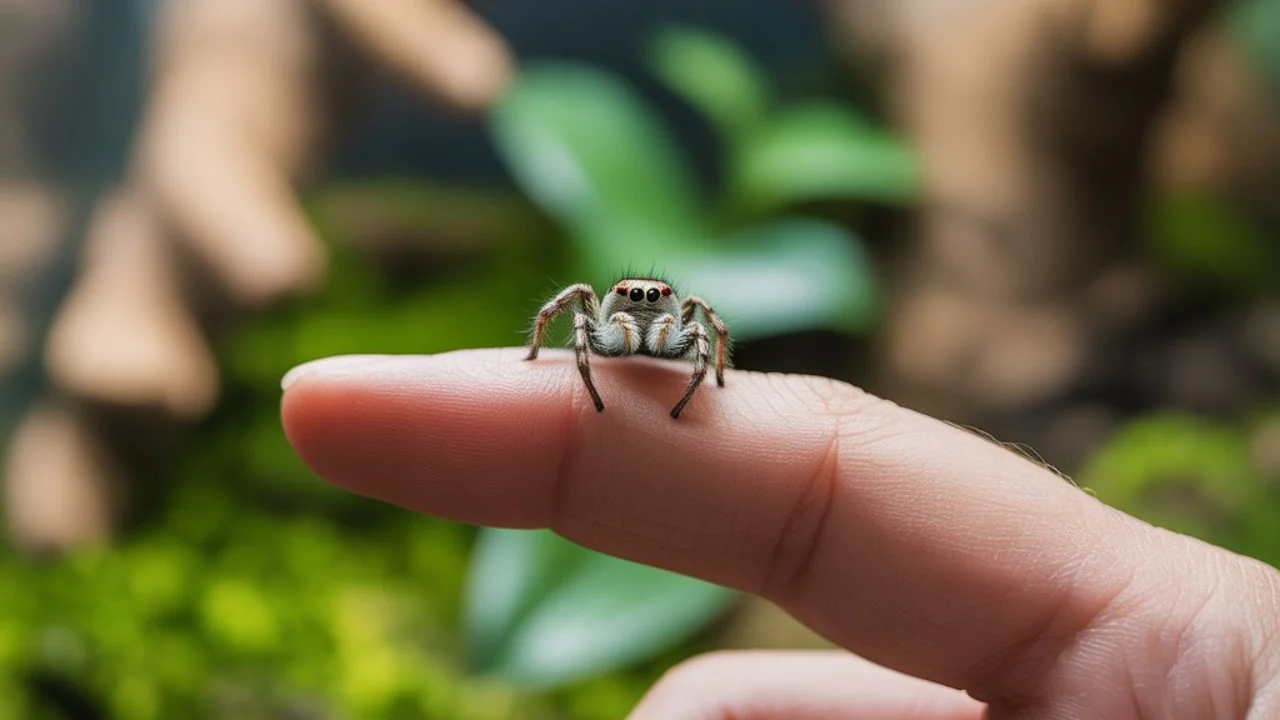
Handling your jumping spider can be one of the most rewarding experiences for hobbyists and pet enthusiasts. These tiny, intelligent arachnids are known for their extraordinary vision, agility, and curious nature. Unlike other pets, jumping spiders rely on sight rather than touch or vibration, which makes careful interaction essential. Proper handling your jumping spider not only fosters trust but also helps in monitoring their health, behavior, and growth. By understanding their natural instincts and setting up a safe environment, you can ensure a positive experience for both you and your spider.
This guide will cover every aspect of spider interaction, including preparation, step-by-step handling methods, observation techniques, and tips for understanding individual spider personalities. Following these expert strategies ensures a safe, enjoyable, and enriching bond, giving your jumping spider a comfortable environment to thrive while allowing you to experience the unique joy of close, hands-on care.
Expert Tips for Safely Handling Your Jumping Spider
Why Handle Your Jumping Spider at All?
Many new spider owners wonder why they should interact with their jumping spider at all. The truth is, these interactions are primarily for the owner’s benefit rather than the spider’s. Handling your jumping spider carefully allows you to monitor its health, spot early signs of stress, and safely manage it if enclosure maintenance or relocation is required. Moreover, controlled interaction helps reduce panic during accidental escapes.
By introducing your spider to gentle handling, you build a foundation of trust, helping it become comfortable around your hands and movements. Over time, the spider learns to recognize you as a safe presence, and daily observation becomes more informative and enjoyable. While some spiders may never actively seek human interaction, even minimal handling improves safety and creates a more enriched environment, enhancing the overall pet experience.
What You’ll Need
Before attempting handling your jumping spider, gather all necessary tools and prepare your environment. This ensures the process is safe and reduces stress for both you and your spider. Essential items include:
- Clean hands: Wash with warm water only, avoid soaps, perfumes, or lotions.
- Catching cup: A clear plastic cup for emergencies.
- Paintbrush or spider wrangling brush: For guiding or coaxing the spider.
- Small piece of paper or card: For redirecting or catching the spider.
- A calm environment: Quiet room, good lighting, and a clear surface.
- Optional helper: Another person to assist if the spider moves to hard-to-reach areas.
Having these tools ready ensures that every interaction is controlled, safe, and stress-free, allowing your jumping spider to gradually become accustomed to human presence.
How to Handle Your Spider for the First Time
Step 1: Ensure Your Spider is Ready
Avoid handling during pre-moult or immediately after moulting. Spiders in these phases are weak, vulnerable, and more sensitive to stress. Allow your spider to eat and recover before attempting interaction.
Step 2: Introduce Slowly
- Speak softly near the enclosure to help your spider acclimatize to your voice.
- Move slowly and avoid sudden gestures.
- Observe spider’s body language: raised front legs indicate curiosity, while retreating suggests discomfort.
Step 3: Guide with Tools
Use a paintbrush or straw to coax the spider gently. Let it walk onto your hand gradually, offering a stable, flat surface. Never force the spider; patience is crucial for safe handling.
Step 4: Reward Calm Behavior
Spiders respond to consistent, gentle handling. Allow it to explore your hand, climb slowly, and return to its enclosure on its own. Positive exposure strengthens trust and reduces fear.
Getting Started
Once your spider shows signs of comfort, you can begin short, regular handling sessions.
- Duration: Start with 5–10 minutes.
- Frequency: Daily or every other day, based on spider response.
- Observation: Watch for stress signals like freezing, retreating, or excessive jumping.
Create a small, safe interaction area, preferably over a table with soft surfaces below. Encourage natural behaviors by allowing the spider to climb, explore, and leave web lines. Slowly, your spider will become familiar with your presence, building trust and improving the bond between pet and owner.
What to Do When a Spider is Out
When your spider leaves its enclosure:
- Let it explore vertical surfaces and climbing structures.
- Avoid grabbing or pinching; instead, guide gently using a brush or hand.
- Keep interactions calm and predictable.
- Observe natural behaviors such as leg waving, self-grooming, and cautious movement.
A spider outside its enclosure is often curious but cautious. Handling your jumping spider at this stage is about creating a safe, stress-free environment where it can explore without risk.
Tips for Managing Spider Outside Enclosure:
Terrarium with moss, branches, and hygrometer, ready for handling your jumping spider safely while ensuring a healthy and stress-free habitat
| Action | Purpose | Notes |
| Hand guidance with brush | Coax spider safely | Avoid forcing movement |
| Paper/card redirect | Move spider to catching cup | Useful for rescues |
| Observe behavior | Assess comfort and health | Signs of stress = end session |
Individual Spider Personalities
Every jumping spider has its own personality. Some are bold and curious, actively exploring and jumping onto your hand, while others are shy and avoid interaction. Understanding personality differences is essential:
- Bold spiders: Enjoy climbing and exploring; respond quickly to guidance.
- Shy spiders: Require more patience; may hide or retreat repeatedly.
- Adaptive spiders: Gradually become comfortable with consistent handling.
Tailor your approach based on personality, respecting boundaries. Gradual exposure and consistency build trust, ensuring safe and enjoyable handling your jumping spider experiences.
Conclusion
Proper handling your jumping spider is a delicate but rewarding process. By preparing your environment, using the right tools, and practicing patience, you can create a safe and enriching experience for both you and your spider. Understanding their behavior, recognizing stress signals, and respecting individual personalities ensures that interactions remain positive. Regular observation and gentle handling allow you to monitor health, encourage natural behaviors, and strengthen the bond with your pet.
Curious jumping spider exploring its enclosure, illustrating proper care and techniques for handling your jumping spider confidently and safely.
While not all spiders actively seek human interaction, consistent care and careful handling increase comfort levels over time. Ultimately, the joy of seeing your jumping spider explore, climb, and respond to your presence is unmatched, creating a deeper appreciation for these fascinating, intelligent creatures. Following these expert strategies will ensure your spider thrives in a safe environment, while you enjoy a rewarding and engaging pet ownership experience.
FAQs
- What is the best way to start handling my jumping spider?
Start slowly by allowing your spider to acclimate to your voice and movements. Use a gentle paintbrush or straw to coax it onto your hand, ensuring a calm and safe environment.
- How often should I handle my jumping spider?
Short, consistent sessions every day or every other day are ideal. Observe the spider’s comfort level and stop if it shows stress or retreating behavior.
- Can I handle my spider immediately after moulting?
No. Handling after moulting is risky. Wait until your spider has hardened and eaten to avoid injury or stress.
- What tools do I need for handling my jumping spider safely?
Essential tools include clean hands (no chemicals), a catching cup, a paintbrush or spider wrangling brush, and a small piece of paper for redirection.
- How can I tell if my spider is stressed during handling?
Stress signals include raised front legs, freezing, retreating, rapid jumping, or attempting to escape. Always stop the session if these signs appear.
- Can all jumping spiders be handled?
Most can, but personalities vary. Bold spiders are easier to handle, while shy spiders may take more time to acclimate. Patience is key.
- Is it safe for my spider to climb on my hand?
Yes, if you move slowly and keep your hands stable over a safe surface. Never force the spider; let it explore at its own pace.
- What should I do if my spider tries to escape during handling?
Stay calm. Use a piece of paper or a cup to gently guide it back to your hand or enclosure. Avoid sudden movements that may startle it.
- How long should a handling session last?
Start with 5–10 minutes. Gradually increase duration based on your spider’s comfort and behavior. Short, frequent sessions are more effective than long ones.
- Why is handling my jumping spider important?
Handling helps monitor health, reduces stress during enclosure maintenance, and strengthens the bond between you and your spider. It also provides opportunities to observe natural behavior safely
