
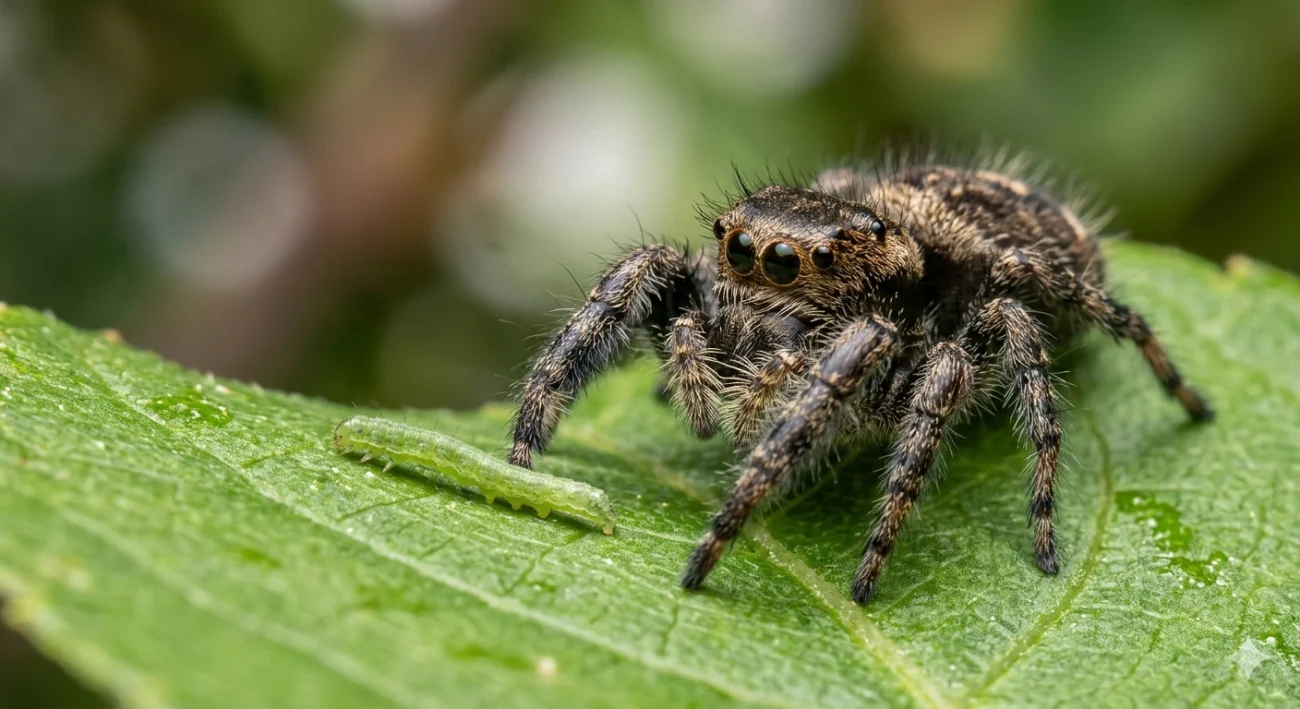
Can Jumping Spiders Eat Worms? A Complete Beginner-Friendly Explanation
Many pet owners ask a common question: can jumping spiders eat worms safely? If you are raising a jumping spider in the USA, choosing the right food is critical for its health and lifespan.
In the wild, these spiders are active hunters. They rely on movement to detect prey. However, not all available food options match their natural diet. As a result, confusion often arises when considering worms as a feeding option.
So, do jumping spiders eat worms regularly? The short answer is yes, but only under certain conditions. Worms are not their primary food source. Still, they can be offered occasionally if handled correctly.
Additionally, many beginners compare worms with insects like flies or crickets. While worms are easy to buy in the USA, they may not provide the same balanced nutrition. Therefore, understanding when and how to feed them becomes essential.
This guide will help you understand everything clearly. You will learn what jumping spiders prefer to eat, whether worms are safe, and how to feed them properly.
- Are worms safe or risky?
- Which types are suitable?
- How often should you feed them?
- What better alternatives exist?
By the end of this guide, you will confidently know what your spider should eat for optimal health.
What Do Jumping Spiders Normally Eat in the Wild?
Before deciding if jumping spiders eat worms, it is important to understand their natural diet. In the wild, jumping spiders are skilled visual hunters. They do not rely on webs. Instead, they actively chase and capture live prey.
Most importantly, these spiders depend on movement. If the prey does not move, they often ignore it. Therefore, their diet mainly includes small, active insects rather than slow-moving creatures like worms.
Common Foods Jumping Spiders Prefer
In the United States, both wild and pet jumping spiders usually eat a variety of tiny insects. This helps them stay healthy and energetic.
- Fruit flies (ideal for small or baby spiders)
- Houseflies and blue bottle flies
- Small crickets
- Moths and gnats
- Small beetles and ants
Additionally, these insects provide balanced nutrition. They contain protein, moisture, and essential nutrients that support growth and molting.
Do Jumping Spiders Prefer Live or Dead Food?
A common question is: will jumping spiders eat dead insects? In most cases, the answer is no. These spiders rely heavily on movement to trigger their hunting response.
However, there are exceptions. Some captive spiders may accept freshly killed prey if offered carefully. Even then, live food remains the best option.
- Live prey stimulates natural hunting behavior
- Dead prey is often ignored
- Freshly killed insects may work in rare cases
Where Do Worms Fit in Their Diet?
At this point, you might wonder how worms compare. While jumping spiders eat worms occasionally, worms are not part of their typical wild diet.
For example, worms move slowly and often stay on the ground. On the other hand, jumping spiders prefer fast-moving prey they can chase and pounce on.
As a result, worms should never replace their primary food sources. Instead, they can be used as an occasional treat when other prey is unavailable.
Understanding this natural feeding behavior is essential. It helps you make better decisions and avoid common feeding mistakes.
Can Jumping Spiders Eat Worms Safely?
The direct answer is yes, jumping spiders eat worms, but they should not rely on them as a primary food source. While worms are not toxic, they do not fully match the natural diet of these active hunters.
In fact, jumping spiders prefer fast-moving insects. Worms move slowly, which can reduce the spider’s interest. As a result, some spiders may ignore worms completely, especially if they are not hungry.
When Is It Okay to Feed Worms?
Although worms are not ideal, they can still be used in certain situations. Many spider keepers in the USA use worms as a backup food option when live insects are unavailable.
- During emergencies when no insects are available
- As an occasional treat for variety
- For larger spiders that can handle soft-bodied prey
Additionally, some spiders accept worms more easily than others. Feeding success often depends on the spider’s size, hunger level, and environment.
Types of Worms Jumping Spiders May Eat
Not all worms are suitable. If you plan to test this option, it is important to choose safe varieties.
- Mealworms (most commonly accepted)
- Wax worms (high fat, occasional use only)
- Small larvae from pet stores
On the other hand, avoid wild worms. These may carry pesticides or parasites, which can harm your spider.
How Do Jumping Spiders Eat Mealworms?
Many beginners ask how feeding actually works. How do jumping spiders eat mealworms? The process is simple but interesting.
- The spider observes the worm’s movement
- It slowly approaches and prepares to jump
- Then it attacks and injects venom
- Finally, it consumes the liquefied internal tissues
This process can take time. In fact, how long does it take a jumping spider to eat a mealworm depends on size. Smaller spiders may take 30 minutes, while larger ones may take longer.
Therefore, patience is important during feeding. Avoid disturbing your spider while it is eating.
Overall, worms can be used occasionally. However, a varied insect-based diet remains the best choice for long-term health.
Safe vs Unsafe Worms for Jumping Spiders
When considering whether jumping spiders eat worms, safety becomes the most important factor. Not all worms are suitable for feeding. Some are safe in controlled conditions, while others can be harmful or even dangerous.
In the USA, many pet owners buy feeder worms from reptile or insect suppliers. However, even commercially sold worms should be used carefully and in moderation.
Safe Worms for Occasional Feeding
Some worms can be offered safely, but only as a small part of the diet. These options should never replace insects.
- Mealworms: Common and easy to find in pet stores
- Wax worms: High-fat, best as occasional treats
- Small feeder larvae: Only from trusted sources
Additionally, these worms should be alive or freshly prepared to trigger natural hunting behavior. Movement plays a key role in feeding success.
Unsafe Worms You Should Avoid
On the other hand, some worms are not suitable at all. Feeding the wrong type can harm your spider’s health.
- Wild-caught earthworms (risk of pesticides and parasites)
- Oversized worms that cannot be safely handled
- Decomposing or dead worms left for too long
On the other hand, wild worms are especially risky because they may contain harmful chemicals from soil or garden treatments.
Why Worm Type Matters
Choosing the right worm is not just about size. It also affects nutrition, safety, and feeding behavior. For example, jumping spiders eat worms more easily when the prey is small, soft, and moving.
However, fatty worms like wax worms should be limited. They can cause obesity or nutritional imbalance if fed too often.
Therefore, variety and moderation are key. A spider that eats only worms may become weak over time.
Expert Feeding Insight (USA Pet Keepers Experience)
Many experienced spider keepers in the USA recommend using worms only as backup food. They prefer insects like flies and small crickets for daily feeding.
Additionally, they observe that spiders show stronger hunting behavior with moving insects compared to worms. This improves both health and activity levels.
In conclusion, worms can be used safely, but only when carefully selected and offered occasionally.
Nutritional Value of Worms for Jumping Spiders
Understanding nutrition is essential when deciding whether jumping spiders eat worms regularly. Although worms are easy to find in the USA, their nutritional profile is different from natural insect prey.
Jumping spiders need a balanced diet rich in protein and low in excessive fat. However, worms vary significantly in their nutritional content depending on the type.
Protein and Fat Content Overview
Worms like mealworms contain good protein levels, but they also have higher fat compared to flying insects. As a result, they should not be used as a staple food.
- Mealworms: High protein, moderate fat
- Wax worms: Low protein, very high fat
- Insects (flies, crickets): High protein, low fat
Therefore, even though jumping spiders eat worms occasionally, insects remain the healthier option.
Comparison Table: Worms vs Natural Insects
| Food Type | Protein Level | Fat Level | Suitability | Spider Preference |
|---|---|---|---|---|
| Mealworms | Medium | Medium | Occasional use | Moderate |
| Wax Worms | Low | High | Rare treat only | Low |
| Fruit Flies | High | Low | Ideal daily food | Very High |
| Houseflies | High | Low | Best natural diet | Very High |
Why Worms Should Not Be a Primary Diet
Although worms are convenient, they do not fully match the spider’s natural nutritional needs. Over time, a worm-heavy diet may cause health issues.
For example, wax worms contain too much fat. This can lead to reduced activity and poor molting performance. On the other hand, insects provide balanced energy for hunting behavior.
Additionally, spiders in captivity rely on consistent nutrition. Therefore, feeding only worms is not recommended by experts.
Balanced Feeding Approach
A healthy feeding plan should always include variety. While jumping spiders eat worms occasionally, their main diet should consist of live insects.
For best results, combine different prey types such as flies, small crickets, and occasional worms. This helps maintain energy, hunting instincts, and long-term health.
Pros and Cons of Feeding Worms to Jumping Spiders
Even though jumping spiders eat worms in certain situations, it is important to understand both benefits and risks. Responsible feeding is key to maintaining long-term health, especially for pet spiders in the USA.
Worms can be useful in specific cases, but they are not a complete or balanced diet. Therefore, comparing advantages and disadvantages helps you make better decisions.
Pros of Feeding Worms
Worms offer some practical benefits, especially for beginner spider keepers or emergency feeding situations.
- Easy to find in pet stores across the USA
- Long shelf life compared to live insects
- Simple to store and handle
- Useful backup food when insects are unavailable
- Some spiders accept them willingly
Additionally, worms like mealworms are affordable and widely accessible. This makes them convenient for new pet owners.
Cons of Feeding Worms
However, there are also important drawbacks. These issues make worms less ideal as a primary diet.
- Not part of natural hunting behavior
- Low movement reduces feeding response
- Wax worms contain excessive fat
- Risk of nutritional imbalance
- Some spiders completely refuse them
On the other hand, insects such as flies and crickets better match the spider’s natural instincts. This is why experts prefer them.
Health Risks to Be Aware Of
Although jumping spiders eat worms occasionally, overfeeding can lead to problems. One common issue is obesity caused by high-fat worms like wax worms.
Additionally, worms may not provide enough stimulation for hunting behavior. This can reduce activity levels in captive spiders.
Therefore, relying too heavily on worms can affect both physical health and natural instincts.
Expert Keeper Insight
Experienced spider keepers in the USA often recommend a simple rule: worms are a backup, not a staple.
For example, many breeders use worms only when they run out of live insects. Otherwise, they rely on fruit flies and small crickets for daily feeding.
This balanced approach ensures better growth, stronger hunting behavior, and longer lifespan.
In conclusion, worms can be helpful, but they should always be used carefully and in moderation.
Comparison: Worms vs Other Feeding Options for Jumping Spiders
To fully understand whether jumping spiders eat worms effectively, it is important to compare worms with other commonly used feeder insects. Many spider owners in the USA face confusion when choosing the best diet option.
While worms are available and easy to store, they are not always the best choice. In contrast, natural insect prey provides better nutrition and stimulates hunting behavior.
Worms vs Natural Insects: Key Differences
Below is a clear comparison to help you choose the right feeding option for your jumping spider.
| Food Type | Movement Level | Nutrition Quality | Spider Interest | Overall Rating |
|---|---|---|---|---|
| Mealworms | Low | Moderate | Medium | Good (Occasional use) |
| Wax Worms | Low | Low (high fat) | Low | Poor (Rare treat only) |
| Fruit Flies | High | High | Very High | Excellent |
| Houseflies | High | High | Very High | Excellent |
| Small Crickets | Medium | High | High | Very Good |
Which Food Do Experts Prefer?
Most experienced spider keepers agree that insects are superior. Although jumping spiders eat worms occasionally, they strongly prefer moving prey.
For example, fruit flies and houseflies trigger natural hunting instincts. This leads to better feeding responses and healthier behavior patterns.
- Fruit flies: Best for baby spiders
- Houseflies: Best for adult spiders
- Crickets: Good balanced option
- Worms: Backup only
Why Worms Rank Lower
Worms rank lower mainly because they do not match natural hunting conditions. Jumping spiders rely heavily on vision and movement to detect prey.
On the other hand, worms stay still or move slowly. As a result, spiders may ignore them even when hungry.
Additionally, wax worms contain high fat levels, which can negatively impact long-term health if overused.
Final Expert Insight
In real-world feeding practices across the USA, worms are treated as a secondary option. They are useful but not essential.
Therefore, a mixed diet of insects remains the most reliable and healthy approach. This ensures your spider stays active, alert, and well-nourished.
Customer Experience and Real Feeding Insights from Spider Owners
Understanding whether jumping spiders eat worms becomes much easier when you look at real experiences from spider keepers in the USA. These insights help beginners avoid mistakes and improve feeding success.
Many pet owners initially try worms because they are easy to find. However, over time, most shift toward live insects due to better feeding response and spider behavior.
What Spider Owners Commonly Report
Based on real keeper feedback, jumping spiders show different reactions depending on prey type.
- Fruit flies are almost always accepted immediately
- Houseflies trigger strong hunting behavior
- Mealworms are sometimes ignored
- Wax worms are eaten but not preferred
Additionally, many owners notice that their spiders become more active when fed moving insects compared to worms.
Common Beginner Mistakes
New spider owners often make a few feeding mistakes. These can affect health and behavior.
- Relying too heavily on worms as main food
- Feeding dead or inactive prey
- Using oversized worms
- Not providing variety in diet
On the other hand, experienced keepers maintain a balanced feeding routine. This improves spider health and longevity.
Expert Feeding Recommendations
Experts suggest using worms only as occasional backup food. While jumping spiders eat worms, they thrive best on live insects.
Additionally, feeding variety is strongly recommended. This prevents nutritional imbalance and supports natural behavior.
For example, a weekly rotation of fruit flies, small crickets, and occasional mealworms works well for most species.
Why Feeding Behavior Matters
Feeding is not just about nutrition. It also affects behavior, activity levels, and hunting instincts.
Spiders that eat live insects regularly tend to be more alert and active. On the other hand, diets heavy in worms may reduce engagement.
Therefore, choosing the right prey is essential for long-term care success.
Conclusion: Should Jumping Spiders Eat Worms?
In conclusion, jumping spiders eat worms, but only as an occasional food source. Worms are not harmful when used correctly, but they are not ideal for long-term feeding.
While worms like mealworms and wax worms are easy to find in the USA, they do not fully match the natural diet of jumping spiders. These spiders are active hunters and prefer live, moving insects.
Therefore, worms should always be treated as a backup option rather than a primary diet. In contrast, fruit flies, houseflies, and small crickets provide better nutrition and encourage natural hunting behavior.
Additionally, a varied diet is the key to a healthy spider. Relying too much on worms may reduce activity levels and cause nutritional imbalance over time.
For best results, combine different feeder insects and use worms only occasionally. This ensures your jumping spider stays active, healthy, and long-lived.
Ultimately, understanding what jumping spiders eat worms and how they behave helps you become a more responsible and confident pet owner.
Frequently Asked Questions (FAQs)
1. Can jumping spiders eat worms every day?
No, jumping spiders should not eat worms daily. Worms lack balance and should only be given occasionally as a treat.
2. What do jumping spiders eat worms or insects more?
Jumping spiders prefer insects. They naturally hunt moving prey like flies and crickets instead of worms.
3. Will jumping spiders eat dead insects?
Usually no. Jumping spiders rely on movement to detect prey, so live insects are strongly preferred.
4. Can jumping spiders eat fruit?
No, jumping spiders do not eat fruit. They are strict carnivores and only consume live or small insect prey.
5. Can jumping spiders eat wax worms?
Yes, but only occasionally. Wax worms are high in fat and should not be a regular food source.
6. How do jumping spiders eat mealworms?
They attack and inject venom, then consume the internal fluids of the mealworm after immobilizing it.
7. What is the best food for jumping spiders?
The best food includes fruit flies, houseflies, and small crickets because they provide balanced nutrition and natural hunting stimulation.
