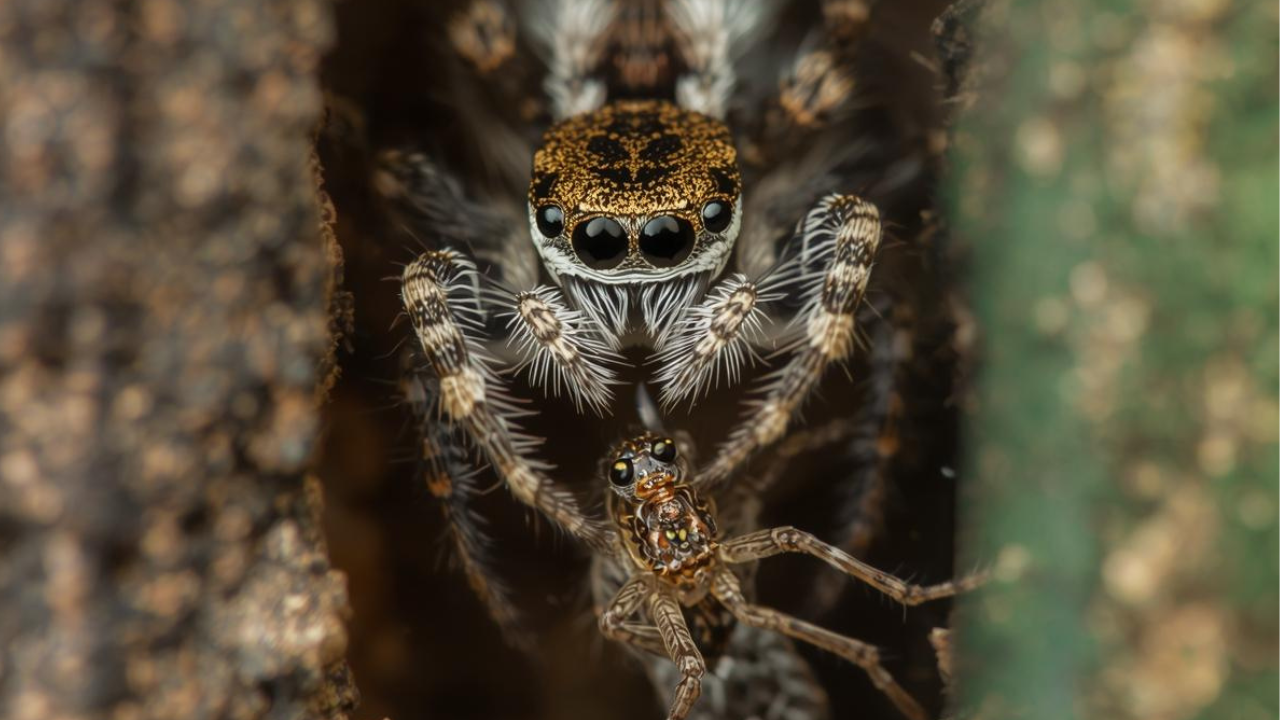
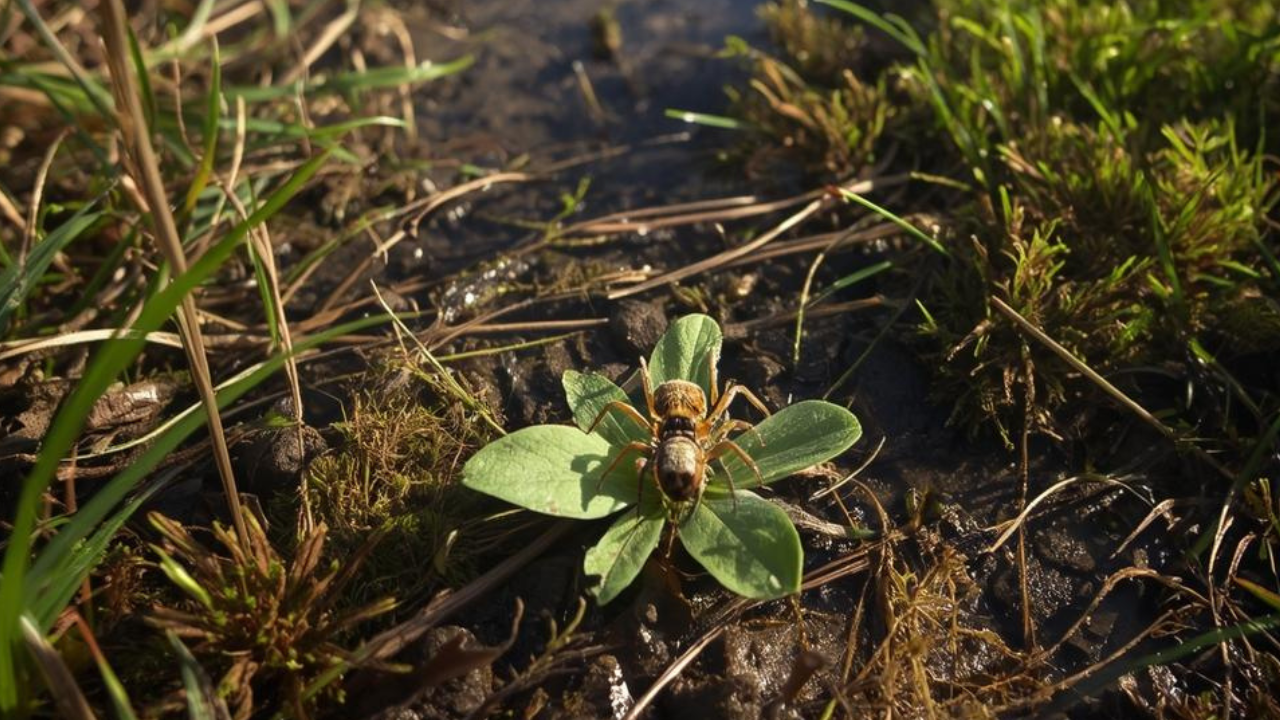
The Salticidae jumping spider is one of nature’s most fascinating and curious creatures. Often misunderstood due to myths about being dangerous or venomous, these tiny spiders are harmless to humans and highly intelligent hunters. With their large, expressive eyes and acrobatic leaping abilities, they provide endless fascination for enthusiasts, pet owners, and wildlife lovers alike. Observing their hunting behavior, problem-solving skills, and playful interactions offers educational insights into their intelligence and adaptability.

This article explores the world of the jumping spider, including their species, habitats, feeding habits, growth stages, and human interaction. Additionally, we’ll discuss proper care for pet enthusiasts and debunk common myths, allowing readers to appreciate these spiders without fear. By the end, you’ll understand why the Salticidae jumping spider is a tiny marvel of curiosity and agility in the arachnid world.
Understanding the Salticidae Jumping Spider
The Salticidae jumping spider belongs to a family of highly agile and curious spiders known for their exceptional vision and leaping abilities. Unlike web-building spiders, they actively hunt prey by stalking and accurately leaping onto it. Their intelligence is evident in their problem-solving during hunting and interaction with their environment. Observing the jumping spider reveals their playful and inquisitive nature, dispelling myths about being dangerous. These tiny predators are fascinating not only for scientists but also for hobbyists and pet enthusiasts.
Physical Traits of Salticidae Jumping Spider
The Salticidae jumping spider has a compact body with bright patterns, strong legs, and large central eyes. These traits give them remarkable vision and agility. Their small size and expressive eyes make them appealing to observe, highlighting their curiosity and intelligence without posing any threat to humans.
Behavior and Movement of Salticidae Jumping Spider
These spiders are known for their acrobatic leaps and active hunting style. Their intelligence is visible in planning jumps and stalking prey. The Salticidae jumping spider explores its environment curiously, often investigating objects or potential prey, making them mesmerizing to observe for both enthusiasts and educators.
Habitat and Environment of Salticidae Jumping Spider
The Salticidae jumping spider thrives in diverse habitats, including forests, grasslands, and human dwellings. They prefer areas with abundant foliage, branches, or other vertical structures for hunting and leaping. Their adaptability allows them to survive in urban and wild environments. Observing their natural habitat demonstrates their curiosity and intelligence while ensuring humans understand that these spiders are harmless. Providing proper shelter for pet spiders replicates their natural environment, allowing them to display natural behaviors safely.
Microhabitat Preferences
Salticidae jumping spiders favor plants, shrubs, and small branches. In human homes, they are often found near windows or light sources where insects gather. Their careful exploration highlights their curious nature, reinforcing that these spiders are intelligent yet harmless.
Role in Ecosystem
As predators, jumping spiders help control insect populations. Their presence indicates a healthy ecosystem. Observing their hunting not only fascinates humans but also educates about ecological balance and the spider’s important role in nature.
Feeding Habits of Salticidae Jumping Spider
The jumping spider primarily feeds on small insects like flies, crickets, and moths. Using its sharp vision, it stalks and leaps accurately onto prey. Their venom is specialized for subduing insects and poses no danger to humans. Feeding behavior showcases their intelligence and acrobatic skills. Observing the Salticidae jumping spider hunt provides insight into its problem-solving abilities and natural curiosity, making them a fascinating subject for both scientific study and pet care.
Feeding in Captivity
Pet owners can feed jumping spiders small insects like fruit flies or pinhead crickets. Regular feeding ensures health and vitality. Observing feeding sessions highlights their curiosity and agility, making them engaging pets.
Feeding in the Wild
In nature, the Salticidae jumping spider hunts by detecting motion and stalking prey with precision. Their feeding behavior demonstrates intelligence, patience, and acrobatic skill, reinforcing the fascination around these tiny spiders.
Growth and Life Cycle of Salticidae Jumping Spider
The jumping spider goes through several stages: egg, spiderling, and adult. Molting occurs as they grow, gradually increasing size and developing vivid patterns. Their lifespan varies but typically lasts 1–2 years. Understanding the growth stages of the Salticidae jumping spider helps pet owners provide proper care and allows enthusiasts to appreciate their developmental milestones and intelligence.
Developmental Stages
Eggs hatch into tiny spiderlings that molt multiple times before reaching adulthood. Each stage shows increased agility, curiosity, and hunting efficiency, demonstrating the spider’s fascinating growth process.
Lifespan and Survival
The jumping spider faces predators but survives due to agility and intelligence. Adults live up to two years in captivity or the wild, providing ample opportunity to observe their curious behavior.
Human Interaction and Safety Salticidae Jumping Spider
The jumping spider is harmless to humans. Bites are extremely rare and cause minor irritation at most. Handling them carefully allows humans to observe their behavior safely. Mythical fears about their venom are exaggerated. Understanding that the jumping spider is curious and intelligent but not dangerous encourages safe interaction and appreciation, making them suitable pets or educational subjects.
Bite Risk and Venom
These spiders possess venom for hunting insects, not humans. Any bite from a Salticidae jumping spider is usually negligible, causing minor redness or itching at worst.
Allergic Reactions and First Aid
Severe reactions are rare. Washing the bite with soap and water is sufficient. Knowing this reassures pet owners that Salticidae jumping spider bites are rarely a concern.
Salticidae Jumping Spider as Pets
The Salticidae jumping spider makes a captivating pet due to its curiosity, intelligence, and playful nature. Providing a suitable terrarium, proper lighting, and live prey ensures a healthy and engaging environment. Observing the Salticidae jumping spider in captivity reveals fascinating behavior and encourages appreciation of spiders without fear.
Housing Requirements
A terrarium with climbing branches, substrate, and ventilation allows Salticidae jumping spiders to explore naturally. Adequate lighting and hiding spots enhance comfort and natural behavior.
Feeding and Care Tips
Feed live insects regularly, remove uneaten prey, and maintain humidity. Proper care lets the Salticidae jumping spider exhibit curiosity, acrobatics, and intelligence safely.
Observing Salticidae Jumping Spider Behavior
Watching the jumping spider jump, hunt, and explore reveals intelligence and curiosity. They interact with their environment, investigate objects, and solve simple challenges while hunting. Observing them teaches patience, attention to detail, and appreciation for tiny acrobatic hunters.
Interactive Observation
Use safe containers or terrariums to watch Salticidae jumping spiders without disturbing them. Their playful behavior and curiosity make them engaging subjects for both children and adults.
Learning from Behavior
Observation highlights their intelligence, hunting strategies, and unique personality traits. Each Salticidae jumping spider offers fascinating insights, blending education with entertainment.
Common Myths About Salticidae Jumping Spider
Many myths claim the Salticidae jumping spider is poisonous or aggressive. In reality, these spiders are harmless, intelligent, and curious. Debunking myths helps pet enthusiasts, educators, and nature lovers approach them safely and appreciate their fascinating behavior.
Myth 1: Dangerous Bite
Bites are rare and minor. The jumping spider uses venom only for hunting insects, not for defense against humans.
Myth 2: Aggressive Nature
They are not aggressive. Curiosity and playful hunting often lead them to explore, not attack, reinforcing that Salticidae jumping spider is harmless.
Interesting Facts About Salticidae Jumping Spider
The jumping spider is known for acrobatics, problem-solving, and bright, expressive eyes. They communicate through body movements and display intelligence in hunting. Observing these tiny spiders offers endless fascination and insights into arachnid behavior.
Vision and Eyes
Eight eyes provide depth perception, excellent hunting accuracy, and awareness of surroundings. The jumping spider relies on vision for curiosity-driven exploration.
Communication and Signals
Body language, courtship dances, and playful interaction reveal intelligence and curiosity. Observing the jumping spider demonstrates complex behavior beyond what size might suggest.
Table Care Tips for Salticidae Jumping Spider
| Aspect | Recommendation |
|---|---|
| Housing | Terrarium with branches, substrate, ventilation |
| Feeding | Live insects (flies, crickets), 2–3 times per week |
| Lighting | Indirect natural or artificial light |
| Handling | Gentle, minimal contact |
| Observation | Watch jumps, hunting, and curiosity safely |
Conclusion
The jumping spider is a tiny marvel of curiosity, intelligence, and agility. Despite myths suggesting danger, they are harmless to humans and highly engaging for observation and study. Pet enthusiasts can safely enjoy their playful hunting, acrobatics, and problem solving abilities by providing proper habitat, diet, and minimal disturbance. Observing them teaches patience, attention to detail, and admiration for nature’s tiny hunters.
Scientific enthusiasts also gain insight into spider behavior, vision, and ecological role. By debunking myths and understanding their natural curiosity, humans can appreciate the jumping spider as a fascinating, intelligent, and harmless arachnid. These tiny spiders prove that size does not limit intelligence, and careful observation reveals their remarkable behavior and charm.
FAQ
Q1: Are Salticidae jumping spiders poisonous?
A: No, jumping spiders are not poisonous to humans. Their venom is only strong enough to subdue small insects, making them completely harmless.
Q2: Can I keep a Salticidae jumping spider as a pet?
A: Yes! These tiny, curious, and intelligent spiders make fascinating pets. Provide a proper terrarium, climbing structures, and live prey to keep them healthy and engaged.
Q3: What do Salticidae jumping spiders eat?
A: They primarily feed on small insects like flies, crickets, and moths. Their hunting style is acrobatic, showcasing their intelligence and natural curiosity.
Q4: How long do Salticidae jumping spiders live?
A: Typically 1–2 years in captivity. In the wild, lifespan depends on predators and environmental conditions. Their life cycle includes egg, spiderling, and adult stages.
Q5: Are Salticidae jumping spiders aggressive?
A: No, they are not aggressive toward humans. They are curious explorers and playful hunters. Aggressive behavior is rare and usually defensive.
Q6: How can I safely observe a Salticidae jumping spider?
A: Use a terrarium or container with branches. Avoid excessive handling. Watching their acrobatics, hunting, and curious behavior is safe and educational.
Q7: What kind of habitat do Salticidae jumping spiders prefer?
A: They thrive in areas with foliage, branches, or vertical structures. Indoors, they may inhabit windowsills or lighted corners where insects are abundant.
Q8: Do Salticidae jumping spiders make webs?
A: Not for hunting. They use silk only for safety lines, egg sacs, or temporary shelters. Their active hunting makes them unique among spiders.
Q9: How do Salticidae jumping spiders hunt?
A: They rely on keen eyesight, stalking prey, and precise leaps. Their intelligence allows them to plan attacks and adapt to their environment efficiently.
Q10: Can jumping spiders recognize humans?
A: While they don’t recognize humans like pets, they are curious and may investigate movements nearby. Their behavior shows intelligence and observation skills.