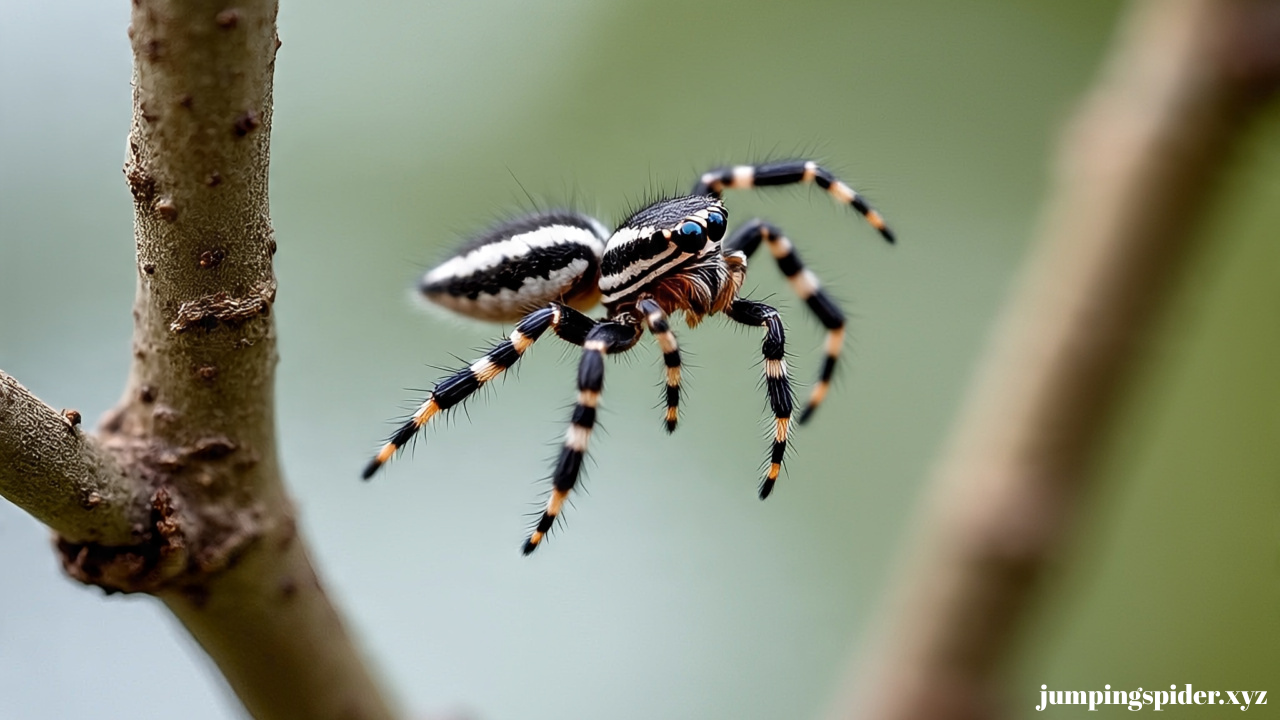
Jumping spiders are intelligent, curious, and observant creatures, making them unique pets that reward patient care. Unlike traditional pets, they do not respond to affection in the usual sense, so building trust requires understanding, consistency, and gentle interaction. Observing their behavior, reading their body language, and providing a secure environment are essential first steps. Proper handling, feeding, and interaction help your spider feel safe and confident in your presence.

Each activity, from offering food to watching its movements, is an opportunity to strengthen your bond. This guide shares practical, expert-approved strategies to build trust with your jumping spider. You will learn how to interpret stress signals, design a comfortable habitat, interact safely, and recognize signs of comfort. With patience and attention to detail, you can enjoy a thriving relationship with your jumping spider, seeing it explore confidently and respond positively to your presence.
Understanding Your Jumping Spider’s Behavior
To build trust with your jumping spider, understanding its behavior is key. These spiders are naturally alert, curious, and sensitive to movement. Observing your spider’s body language will help you interpret comfort, curiosity, or stress. Signs of comfort include relaxed legs, calm exploration, and occasional silk spinning. Stress signs may include rapid retreats, raised legs, or hiding. Spending quiet time observing helps you adapt your approach to interactions and encourages positive responses from your spider.
Common Jumping Spider Behaviors (Trust With Your Jumping Spider)
- Exploration: Indicates curiosity and confidence
- Pumping movements: Usually anticipatory before a jump
- Huddling: A stress or fear response
- Silk spinning: Can show comfort or preparation for a retreat
How to Interpret Stress Signals
- Sudden retreats to corners or hides
- Rapid leg movements or jerky jumps
- Refusal to eat or explore during feeding
Key Points for Observation
- Observe daily to notice changes in behavior
- Use feeding as a way to understand comfort level
- Document patterns to anticipate stress triggers
Creating a Safe and Comfortable Habitat (Trust With Your Jumping Spider)
A secure habitat is vital for building trust. The environment must mimic natural conditions while minimizing stress. Proper habitat design encourages exploration and positive interaction.
Essential Habitat Elements
- Enclosure: 8–12 inches tall for most species
- Substrate: Coconut fiber, moss, or soil to maintain humidity
- Hiding spots: Cork bark, plants, or artificial leaves
- Climbing structures: Twigs or miniature branches for exercise
Environmental Conditions (Trust With Your Jumping Spider)
- Temperature: 22–28°C (72–82°F)
- Humidity: 50–70%, depending on species
- Lighting: Low-intensity natural light or artificial light cycles
Organizing Habitat for Bonding
- Place food in open areas to encourage interaction
- Provide multiple hides to reduce stress
- Avoid overcrowding; one spider per enclosure
H3: Table – Ideal Habitat Setup
| Element | Recommendation | Purpose |
|---|---|---|
| Substrate | Coconut fiber, moss | Comfort & humidity retention |
| Hiding spots | Cork bark, plants | Security & stress reduction |
| Climbing structures | Twigs, branches | Exercise & exploration |
| Temperature control | Heat mat or ambient temperature | Healthy metabolism |
Proper Handling Techniques (Trust With Your Jumping Spider)
Handling is critical for trust. Gentle, consistent techniques encourage comfort without causing stress.
Guidelines for Safe Handling
- Wash hands to avoid chemical residues
- Approach slowly and calmly
- Avoid sudden movements or loud noises
- Start with brief handling sessions
Step-by-Step Handling Process
- Place a finger near the spider’s front legs
- Let the spider climb voluntarily
- Support the body gently, avoiding pressure
- Keep sessions under 10 minutes at first
Using Positive Reinforcement
- Offer prey or treats during handling
- Reward calm behavior with gentle observation
- Avoid punishment; spiders respond to consistency, not scolding
Feeding and Interaction Tips
Feeding time is ideal for trust-building. Spiders associate you with safety and nourishment.
Recommended Diet
- Live insects: crickets, fruit flies, small roaches
- Avoid oversized prey to prevent stress
- Feed 2–3 times per week depending on age and species
Interaction Through Feeding
- Offer food in open areas to encourage exploration
- Observe reactions to your presence during feeding
- Gradually decrease distance between spider and hand over weeks
Creating a Routine
- Maintain consistent feeding times
- Avoid excessive handling immediately after feeding
- Use feeding to assess comfort levels
Signs of Trust and Bonding (Trust With Your Jumping Spider)
Recognizing trust signals helps strengthen your connection.
Positive Behavior Indicators
- Calm exploration around your presence
- Sitting on your finger or hand voluntarily
- Silk spinning in visible areas without hiding
Long-Term Bonding Tips
- Gradually increase handling time
- Offer environmental enrichment
- Observe subtle body language for comfort or stress
Trust Signals vs. Stress Signals
| Signal | Meaning | How to Respond |
|---|---|---|
| Calm exploration | Comfort & curiosity | Encourage interaction |
| Voluntary climbing | High trust | Gentle handling |
| Huddling in corners | Stress | Give space & avoid handling |
| Rapid leg movements | Stress or fear | Pause interaction |
Common Mistakes to Avoid(Trust With Your Jumping Spider)
Avoiding errors ensures your spider remains confident and stress-free.
Overhandling
- Excessive handling can lead to stress and retreating behavior
- Stick to short, consistent sessions
Ignoring Environmental Needs
- Improper temperature, humidity, or hiding spots increases stress
- Monitor and adjust habitat regularly
Feeding Mistakes
- Offering oversized prey can cause fear or injury
- Avoid feeding too frequently or infrequently
Conclusion (Trust With Your Jumping Spider)
Building trust with your jumping spider is a patient and rewarding journey. By observing its behavior, understanding stress signals, and creating a secure environment, you foster a bond based on comfort and respect. Proper habitat design, consistent feeding routines, and gentle handling encourage your spider to feel safe and confident. Recognizing signs of trust allows you to gradually increase interaction while avoiding stress. Every jumping spider is unique, so progress may be gradual, but the result is a responsive, curious, and happy companion.
By following expert-approved techniques and respecting natural instincts, you can enjoy an enriching, interactive relationship with your eight-legged friend. Trust-building is not only about handling; it’s about creating a harmonious environment where your spider thrives. Start today, and experience the joy of seeing your jumping spider explore confidently, respond positively, and develop a bond built on patience, care, and understanding.
FAQ:
1. How long does it take to build trust with a jumping spider?
Building trust can take days to weeks depending on your spider’s personality. Consistent gentle handling, proper feeding, and observing its behavior help speed up bonding.
2. Can jumping spiders recognize their owners?
Yes, jumping spiders can recognize humans through visual cues. They remember who handles them safely and may respond with curiosity rather than stress over time.
3. What are the safest ways to handle a jumping spider?
Use slow, calm movements and let the spider climb onto your finger voluntarily. Avoid sudden gestures and limit handling to short sessions initially.
4. How often should I feed my jumping spider?
Feed small live insects 2–3 times per week, adjusting based on age, size, and activity level. Avoid overfeeding or giving prey that’s too large.
5. What behaviors indicate my spider is stressed?
Signs include rapid retreats, huddling in corners, raised legs, or refusing to eat. Observing these cues helps you adjust handling and environment to reduce stress.
6. Can I bond with my jumping spider through feeding?
Yes, offering food in open areas while you’re nearby helps your spider associate you with safety and nourishment, strengthening trust over time.
7. Do I need a special enclosure for trust-building?
A safe, well-structured habitat with hiding spots, climbing structures, proper temperature, and humidity encourages comfort, making bonding easier.
8. Is overhandling harmful to jumping spiders?
Yes, excessive handling can cause stress or retreat behaviors. Keep interactions short and consistent, gradually increasing as trust develops.
9. Can jumping spiders show affection?
They don’t show affection like mammals, but trust is expressed through calm exploration, voluntary climbing, and relaxed body language near you.
10. What’s the best way to start bonding with a new jumping spider?
Begin with observation, create a safe habitat, feed regularly, and introduce short, gentle handling sessions. Patience and consistency are key.