
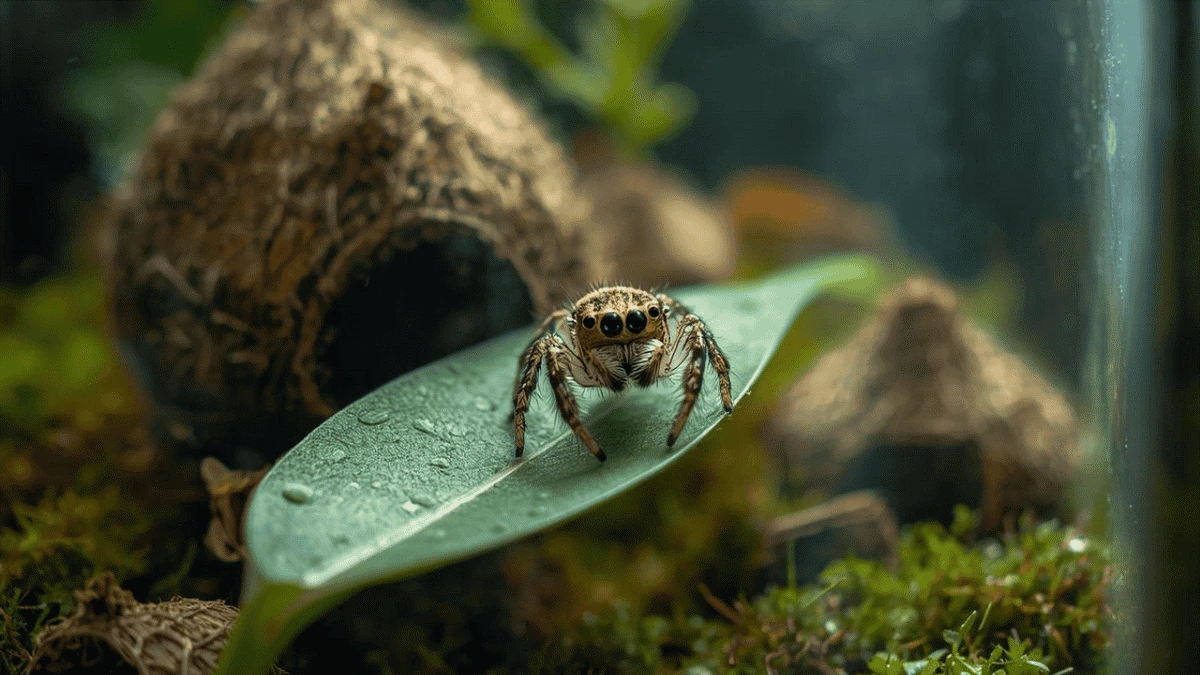
Baby Jumping Spider Care Guide for Beginners
Caring for spiderlings requires precision, patience, and the right information. A structured Baby jumping spider care sheet helps new keepers understand housing, feeding, humidity, and growth expectations from day one. Baby jumpers are far more delicate than adults, and small mistakes in setup or diet can affect survival rates.
Why Proper Baby Jumping Spider Care Matters
Spiderlings are in rapid growth stages and molt frequently. During this time, proper nutrition and stable environmental conditions are critical.
Key reasons structured care is important:
- Higher molting frequency
• Greater dehydration risk
• Increased escape risk
• Sensitivity to temperature shifts
• Need for correct prey size
What Makes Baby Jumping Spiders Different from Adults
Compared to adult jumpers, spiderlings require:
- Smaller prey
• Tighter ventilation control
• Higher humidity monitoring
• Minimal handling
Many online forums give scattered advice, but a proper Baby jumping spider care sheet organizes everything into one reliable guide.
Comparison with Competitor Care Advice
Many generic pet blogs provide broad spider care tips. However:
- They rarely explain When to separate baby jumping spiders
• Few provide a proper Jumping spider age chart
• Most do not clarify What do baby jumping spiders eat at each instar
This guide focuses specifically on baby stages, which competitors often overlook.
Customer Testimonial Highlight
“I followed a basic care blog before and lost two spiderlings. After using a structured Baby jumping spider care sheet, survival improved immediately.”
Clear structure leads to confident care.
Baby Jumping Spider Enclosure Setup and Housing Guide
Proper enclosure design is the foundation of successful baby jumping spider care. A secure and well ventilated Baby jumping spider enclosure protects fragile spiderlings while supporting healthy growth. Unlike adults, babies can escape through extremely small gaps, so enclosure choice matters more than most beginners realize.
Choosing the Right Baby Jumping Spider Enclosure
The ideal enclosure should be small, secure, and easy to monitor.
Recommended features:
- 2 to 4 inch tall clear container
• Cross ventilation holes on two sides
• Tight fitting lid
• Smooth interior walls
• Easy access for feeding
Overly large enclosures can make it harder for spiderlings to locate prey. Small controlled spaces increase feeding success.
Substrate and Interior Setup
Minimalist setups work best. Add:
- Paper towel or thin substrate layer
• Small twig or anchor point for webbing
• Light misting surface
Avoid heavy decorations that increase humidity imbalance.
Comparison with Competitor Advice
Many pet sites recommend larger display terrariums for aesthetics. However:
- Large tanks increase stress
• Feeding becomes inconsistent
• Escape risk increases
• Monitoring molting becomes difficult
This guide prioritizes function over decoration.
Customer Testimonial Highlight
“I upgraded to a proper Baby jumping spider enclosure after losing a spiderling to escape. The difference was immediate.”
Proper housing directly impacts survival rates.
Before bringing home a spiderling or searching for a Baby jumping spider for sale, ensure your enclosure is fully prepared and tested for safety.
What Do Baby Jumping Spiders Eat and Feeding Schedule
Understanding What do baby jumping spiders eat is one of the most important parts of successful care. Spiderlings require very small, appropriately sized prey that matches their body length. Feeding incorrectly sized insects is one of the leading causes of stress and failed molts.
Best Foods for Spiderlings
Newly hatched and early instar babies should eat:
- Flightless fruit flies
• Melanogaster fruit flies
• Hydei fruit flies for larger instars
• Very small pinhead crickets
• Bean beetles in controlled amounts
Prey should always be smaller than the spider’s body length. Oversized prey can injure or intimidate spiderlings.
Can Baby Jumping Spiders Eat Fruit
A common question is Can baby jumping spiders eat fruit. The answer is no. Jumping spiders are obligate carnivores. They require live prey to receive proper nutrients and hydration. Fruit does not provide protein or essential nutrients for growth.
Feeding Frequency and Monitoring
- Feed every 1 to 2 days for young spiderlings
• Remove uneaten prey after 24 hours
• Monitor abdomen size forproper feeding
Comparison with Competitor Advice
Some general spider blogs suggest feeding every 3 to 4 days. That schedule is suitable for adults, not spiderlings. Babies require more frequent feeding due to rapid growth.
Customer Testimonial Highlight
“Once I switched to smaller fruit flies and fed every two days, my spiderlings became more active and started molting successfully.”
Correct feeding ensures steady development and stronger survival rates.
Before purchasing a Baby jumping spider for sale, make sure you have a reliable feeder insect source ready.
Excellent. This is where survival rates really depend on precision.
Temperature, Humidity, and Molting in Baby Jumping Spider Care
Environmental control plays a critical role in successful spiderling development. A structured Baby jumping spider care sheet should always include temperature and humidity ranges because improper conditions often lead to failed molts.
Ideal Temperature Range for Spiderlings
Most common US jumping spider species thrive at:
- 72 to 78 degrees Fahrenheit
• Stable indoor room temperature
• No direct heat lamp exposure
• No sudden temperature swings
Avoid placing the Baby jumping spider enclosure near windows, vents, or heaters.
Humidity and Light Misting
Spiderlings dehydrate faster than adults. Light misting is important, but over misting creates mold.
Best practice:
- Light mist once daily
• Spray side wall, not directly on spider
• Allow airflow to prevent condensation
Molting Stages and Jumping Spider Age Chart
Molting is how spiderlings grow. Referencing a Jumping spider age chart helps track instar stages and expected growth.
Common signs of an upcoming molt:
- Refusing food
• Reduced activity
• Creating a thicker web retreat
Comparison with Competitor Advice
Many generic care guides recommend constant high humidity. This increases mold and bacterial risk. Balanced humidity with ventilation produces better molting success.
Customer Testimonial Highlight
“I lost my first spiderling during molt because I over misted. After following a proper Baby jumping spider care sheet, molting became smooth.”
Monitor temperature daily and track growth using a simple Jumping spider age chart to ensure consistent development.
When to Separate Baby Jumping Spiders Safely
Knowing When to separate baby jumping spiders is essential for preventing cannibalism and stress. While spiderlings may hatch together, they should not be housed communally for long. As they grow, competition for food increases and aggression becomes more likely.
Signs It Is Time to Separate
Use this checklist:
- Spiderlings begin competing for prey
• Size differences become noticeable
• Missing limbs or injuries appear
• Reduced feeding response in weaker individuals
• Increased defensive behavior
Most breeders recommend separation after the second or third molt, depending on species and growth rate. A reliable Baby jumping spider care sheet should always outline separation timing clearly.
Proper Separation Method
- Prepare individual Baby jumping spider enclosure units
• Use a soft brush to gently guide spiderlings
• Avoid handling with fingers
• Transfer during daylight when spiders are active
Pros and Cons of Early Separation
Pros:
- Reduces cannibalism risk
• Ensures equal feeding
• Improves growth monitoring
• Easier to track molting stages
Cons:
- Requires more space
• Increased maintenance time
• More feeding containers needed
Comparison with Competitor Advice
Some online forums suggest keeping spiderlings together until maturity. This increases mortality rates. Controlled separation improves survival and feeding consistency.
Customer Testimonial Highlight
“I delayed separation and lost two spiderlings. After separating early, survival improved dramatically.”
Prepare individual enclosures in advance and plan separation timing before purchasing a Baby jumping spider for sale.
Great. This section helps buyers avoid costly mistakes.
Baby Jumping Spider for Sale Guide and How to Choose Healthy Spiderlings
Searching for a Baby jumping spider for sale can be exciting, but choosing a healthy spiderling requires careful observation. Not all sellers maintain proper breeding standards, so understanding what to look for protects both your investment and the spider’s well being.
What to Look for Before Buying
Healthy spiderlings should show:
- Active movement and alert behavior
• Clear eyes with no cloudiness
• Properly formed legs
• Responsive hunting behavior
• Clean and ventilated housing
Ask sellers about feeding history and molting stage. A responsible breeder should provide details similar to a structured Baby jumping spider care sheet.
Red Flags to Avoid
- Lethargic spiderlings
• Improper ventilation in containers
• No feeding information provided
• No clear instar stage listed
• Overcrowded containers
Comparison with Competitor Marketplaces
Large online marketplaces may offer lower prices but often lack:
- Accurate Jumping spider age chart tracking
• Feeding documentation
• Clear separation timing information
• After sale care guidance
Reputable breeders provide structured care instructions and may even include a Baby jumping spider care pdf for reference.
Customer Testimonial Highlight
“I chose a breeder who provided a care sheet and instar details. My spiderling adapted quickly and started feeding immediately.”
Before completing any purchase, confirm feeding history, instar stage, and enclosure setup readiness at home.
Baby Jumping Spider Care Sheet and Care PDF Guide
A Baby jumping spider care sheet is an essential tool for both beginner and experienced keepers. It provides structured instructions covering housing, feeding, temperature, molting, and separation timelines. Many breeders and enthusiasts now provide a Baby jumping spider care pdf, which can be printed or stored digitally, making it easy to reference at any time. Having this sheet ensures that all critical care steps are followed consistently and helps improve spiderling survival rates.
What to Include in Your Care Sheet
A comprehensive Baby jumping spider care sheet should include:
- Enclosure setup: Size, ventilation, substrate
- Feeding guide: What do baby jumping spiders eat, feeding frequency, and prey size
- Molting schedule: Reference using a Jumping spider age chart
- Humidity and temperature range
- Separation timeline: When to separate baby jumping spiders
- Health monitoring: Signs of dehydration, illness, or molting issues
Advantages of Using a PDF Care Guide
- Easy to print and refer to daily
- Portable for spider enthusiasts or breeders
- Ensures consistency in feeding and environment
- Reduces mistakes in husbandry
Comparison with Competitor Advice
Many generic spider blogs lack a downloadable format or detailed step-by-step instructions. Providing a structured PDF or care sheet gives beginners clear guidance and increases spiderling survival rates compared to competitors’ scattered instructions.
Customer Testimonial Highlight
“Using the Baby jumping spider care pdf made feeding and tracking molts simple. I feel confident knowing I’m following the right steps.”Download or create a Baby jumping spider care sheet before bringing a spiderling home. It’s the easiest way to ensure your spiderlings thrive.
Growth Timeline and Jumping Spider Age Chart
Tracking your spiderling’s development is essential for successful baby jumping spider care. A Jumping spider age chart helps predict when spiderlings will molt, reach maturity, and need enclosure upgrades. Understanding growth stages ensures that feeding, humidity, and separation timing match the spider’s biological needs, reducing mortality and stress.
Instar Stages and Timeline
Baby jumping spiders grow through multiple instar stages:
- First instar: Newly hatched, extremely small, requires tiny prey like pinhead fruit flies
- Second instar: Active movement increases, feeding frequency 1–2 times per day
- Third instar: Growth visible, prey size slightly larger, first signs of aggression toward siblings
- Fourth instar: Spiderlings begin showing adult coloration patterns, require separate enclosures if not done
- Fifth instar to maturity: Body size grows significantly, molting slows, ready for adult diet and social behavior
Using a Jumping spider age chart alongside a Baby jumping spider care sheet ensures you monitor each stage and adjust care accordingly.
Comparison with Competitor Guidance
Many online guides skip detailed timelines or lump all spiderlings together. This often causes:
- Incorrect prey sizing
- Overcrowding in enclosures
- Missed molting cues
A structured age chart gives precise insight for each instar, which improves survival and growth rate.
Customer Testimonial Highlight
“Before using the Jumping spider age chart, I misfed and lost a few spiderlings. Now, following the chart, all my spiderlings are thriving and molting on schedule.”
Use a Jumping spider age chart in combination with your Baby jumping spider care pdf to track growth accurately and provide optimal care for every instar.
Frequently Asked Questions (FAQs)-Baby Jumping Spider Care
- What is a Baby jumping spider care sheet?
A Baby jumping spider care sheet is a structured guide that outlines housing, feeding, molting, temperature, humidity, and separation timelines for spiderlings. Using a care sheet ensures consistent daily care and increases survival rates. Many breeders also provide a Baby jumping spider care pdf for easy reference.
- Where can I find Baby jumping spiders for sale?
You can find a Baby jumping spider for sale through reputable breeders online or at exotic pet stores. Always check the spiderling’s health, age stage, and whether the seller provides care guidance, like a care sheet or pdf.
- What do baby jumping spiders eat?
Baby jumpers eat tiny live insects. Suitable options include pinhead fruit flies, bean beetles, or very small crickets. They cannot eat fruit, as they are obligate carnivores. Feeding frequency should match the spiderling’s instar stage.
- Can baby jumping spiders eat fruit?
No, spiderlings cannot eat fruit. They require live prey for proper protein intake and hydration. Feeding fruit can cause malnutrition or dehydration, impacting molting and survival.
- When to separate baby jumping spiders?
Spiderlings should be separated after the second or third molt, or earlier if size differences cause aggression. Proper separation reduces cannibalism and ensures each spiderling receives sufficient food.
- How do I use a Jumping spider age chart?
A Jumping spider age chart helps track molting schedules, growth, and instar stages. By referencing the chart, you can adjust prey size, feeding frequency, and enclosure setup to match the spiderling’s development.
- What should be included in a Baby jumping spider care pdf?
A Baby jumping spider care pdf should include enclosure setup, feeding guide, temperature and humidity ranges, molting schedule, separation timing, and health monitoring tips. It’s a complete reference for beginners and ensures structured care.
