
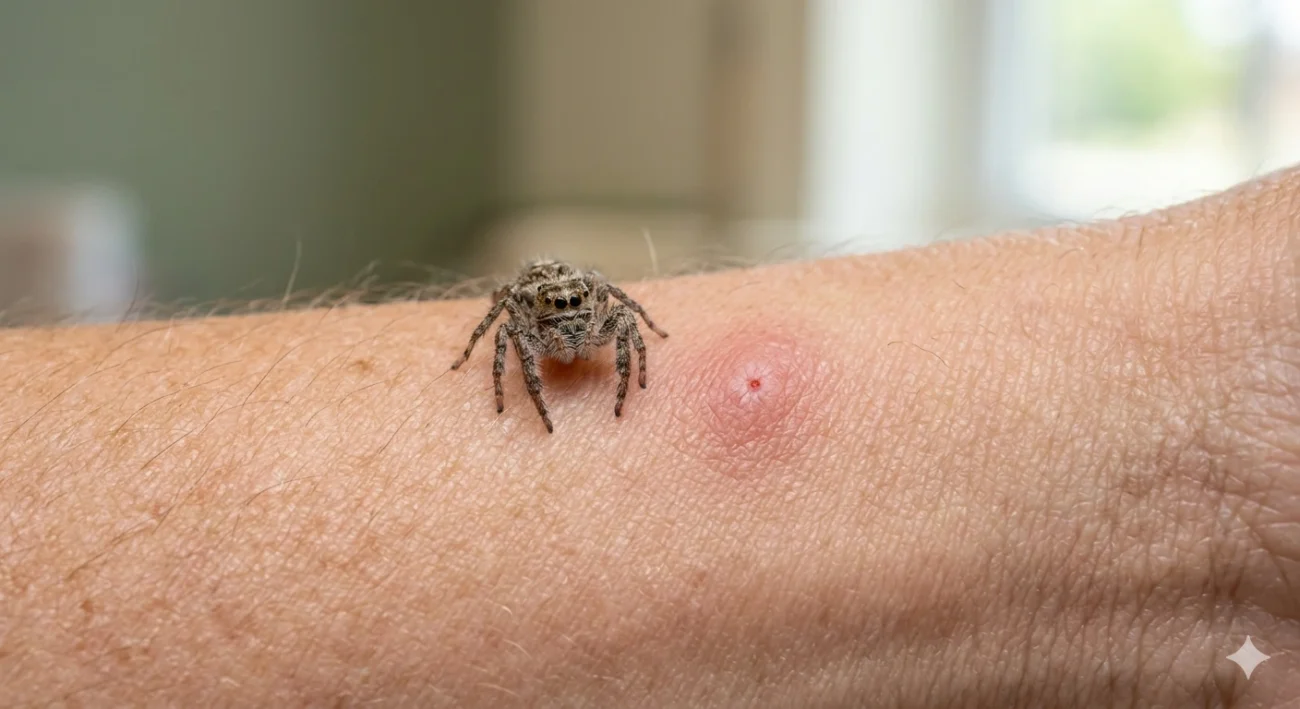
Understanding Salticidae Spider Bite: What You Need to Know
The topic of Salticidae spider bite often raises concern among homeowners in the United States. Many people worry about whether jumping spiders are dangerous or harmless. However, most fears come from misinformation rather than real risk.
Salticidae, commonly known as jumping spiders, are among the most visible spiders in homes and gardens. Because of their curious behavior and quick movements, people often assume they might bite. In reality, these spiders rarely harm humans.
So, what actually happens if a jumping spider bites you? In most cases, the bite is mild and does not cause serious health problems. Additionally, symptoms are usually limited to minor irritation, which goes away quickly without medical treatment.
- Jumping spiders belong to the Salticidae family
- They are common across homes in the USA
- Bites are rare and usually harmless
- Most cases do not require medical attention
However, understanding the facts is important. Many people confuse jumping spider bites with other insect bites or even more dangerous spider species. As a result, proper knowledge helps reduce unnecessary fear and panic.
In this guide, you will learn about symptoms, treatment, risks, and prevention. Additionally, we will explain how to identify a Salticidae spider bite and when you should seek medical help.
By the end of this article, you will clearly understand whether jumping spiders are a threat or simply harmless helpers in your environment.
What Are Salticidae Spiders and Why They Matter
Salticidae spiders, also known as jumping spiders, are one of the largest spider families in the world. In the United States, they are commonly found in homes, gardens, and outdoor spaces. Despite concerns about Salticidae spider bite, these spiders are generally harmless to humans.
What makes them unique is their excellent vision and active hunting style. Unlike web-building spiders, they stalk and jump on their prey. As a result, they play an important role in controlling pests like flies and mosquitoes.
Key Characteristics of Jumping Spiders
Understanding their features helps reduce fear and confusion. Additionally, it becomes easier to identify them correctly instead of mistaking them for harmful species.
- Small size, usually less than half an inch
- Large front-facing eyes for sharp vision
- Quick jumping ability for hunting
- Bright or patterned body colors in some species
Where Are They Found in the USA?
Jumping spiders are widely distributed across the United States. You can find them both indoors and outdoors. However, they prefer warm and sunny areas where insects are available.
- Inside homes near windows and ceilings
- Gardens, plants, and outdoor walls
- Parks and wooded areas
- Apartments and urban environments
In fact, many homeowners unknowingly live alongside these spiders without ever experiencing a Salticidae spider bite. This shows how non-aggressive they are in everyday situations.
Are Jumping Spiders Friendly?
On the other hand, jumping spiders are often considered curious rather than aggressive. They may even appear to observe humans instead of fleeing immediately. Therefore, they are widely regarded as one of the most harmless spider types.
Additionally, they only bite when they feel threatened, such as when trapped or handled. Even then, the bite is mild and rarely causes serious symptoms.
Overall, Salticidae spiders are beneficial creatures. Instead of posing a danger, they help maintain a balanced environment by reducing unwanted insects.
Do Salticidae Spiders Bite Humans and Why It Happens
Many people worry about a Salticidae spider bite, especially when they see a jumping spider indoors. However, these spiders are not naturally aggressive toward humans. In fact, they prefer to avoid contact whenever possible.
So, do jumping spiders bite humans? The answer is yes, but only in rare situations. Most bites happen when the spider feels threatened or trapped. For example, accidental contact while cleaning or handling objects can trigger a defensive reaction.
Common Reasons Why Bites Occur
Understanding the causes can help you avoid unnecessary risk. Additionally, it helps reduce fear since these situations are easy to prevent.
- Direct handling of the spider
- Accidentally pressing it against skin
- Disturbing its hiding place
- Trying to remove it without care
As a result, most cases of jumping spider bites happen due to human actions rather than spider aggression.
Are They Aggressive or Defensive?
On the other hand, jumping spiders are known for their calm and curious behavior. They often observe humans instead of attacking. Therefore, labeling them as dangerous is misleading.
Additionally, their small size limits their ability to cause harm. Even when a Salticidae spider bite occurs, it is usually a mild defensive response rather than an attack.
What Happens If a Jumping Spider Bites You?
In most cases, the bite feels like a small pinch or slight sting. Some people may not even notice it immediately. However, mild irritation or redness can develop shortly after.
- Light pain or tingling sensation
- Minor swelling around the bite area
- Temporary itching
- Symptoms fading within a short time
Therefore, the risk to humans remains extremely low. In fact, many people in the United States live around these spiders without ever experiencing a bite.
Overall, while a Salticidae spider bite is possible, it is rare and typically harmless. Understanding this helps reduce unnecessary panic and promotes safe coexistence.
Salticidae Spider Bite Symptoms: What to Expect
Understanding Salticidae spider bite symptoms helps reduce unnecessary fear. In most cases, the effects are mild and short-lived. Additionally, many people may not even realize they were bitten by a jumping spider.
Unlike dangerous spider species, jumping spiders have very weak venom. As a result, their bites rarely cause serious reactions in humans. However, mild symptoms can still appear depending on skin sensitivity.
Common Symptoms of a Jumping Spider Bite
Most people experience only minor discomfort. These symptoms usually fade within a few hours or days without treatment.
- Small red bump on the skin
- Mild itching or irritation
- Slight swelling around the bite area
- Light stinging or tingling sensation
In fact, these symptoms are similar to mosquito bites. Therefore, many cases of Salticidae spider bite are misidentified as other insect bites.
Rare or Sensitive Reactions
On the other hand, some individuals may experience slightly stronger reactions. This depends on skin sensitivity or allergies rather than the spider itself.
- Increased redness or swelling
- Temporary skin warmth
- Minor localized pain
- Extended itching for a few days
However, serious allergic reactions are extremely rare. As a result, most people do not need medical attention after a bite.
How Long Do Symptoms Last?
In general, symptoms from a Salticidae spider bite disappear quickly. Most cases improve within 24 to 48 hours. Additionally, proper cleaning of the bite area can speed up recovery.
- Mild irritation: a few hours
- Redness and swelling: 1 to 2 days
- Itching: up to 2 to 3 days
Therefore, jumping spider bites are considered low-risk for humans. In fact, they are far less harmful than bites from many common insects.
Overall, recognizing these symptoms can help you stay calm and avoid unnecessary worry. Most importantly, it confirms that jumping spiders are not a serious threat.
Are Salticidae Spider Bites Dangerous Compared to Other Spiders?
A common concern about a Salticidae spider bite is whether it poses any real danger. Fortunately, the answer is no in most cases. Jumping spiders have mild venom that is not harmful to humans. Therefore, their bites are considered low-risk.
However, confusion often arises because people compare them to more dangerous spiders. In the United States, species like black widows and brown recluses are medically significant. On the other hand, jumping spiders do not fall into this category.
Venom Strength and Medical Risk
Jumping spiders use venom to hunt small insects. However, this venom is too weak to cause serious harm to humans. As a result, symptoms remain mild and temporary.
- Venom is designed for small prey
- No known life-threatening cases in humans
- Bites rarely require medical treatment
- Considered non-dangerous by experts
Comparison with Other Common Spiders
To better understand the risk, it helps to compare a Salticidae spider bite with other spider species found in the USA.
| Spider Type | Venom Strength | Symptoms | Medical Risk |
|---|---|---|---|
| Jumping Spider (Salticidae) | Very Mild | Redness, itching, slight swelling | Low |
| Black Widow | Strong | Severe pain, muscle cramps | High |
| Brown Recluse | Moderate to Strong | Skin damage, ulcer formation | Medium to High |
| Wolf Spider | Mild | Pain, swelling, itching | Low |
Should You Be Concerned?
In most situations, there is no reason to worry about a Salticidae spider bite. These spiders are more beneficial than harmful. Additionally, they actively reduce pest populations in homes and gardens.
As a result, experts recommend avoiding unnecessary fear. Instead, focus on basic precautions and proper identification. This approach helps prevent confusion with more dangerous species.
Overall, jumping spiders are among the safest spiders you can encounter in the United States. Their bites are rare, mild, and not medically significant.
Salticidae Spider Bite Treatment: Simple and Effective Care
If you experience a Salticidae spider bite, there is usually no need to panic. In most cases, treatment is simple and can be done at home. Additionally, symptoms are mild and resolve quickly with basic care.
However, proper treatment helps reduce discomfort and prevents irritation. Therefore, it is important to follow a few simple steps immediately after a bite.
Immediate First Aid Steps
Taking quick action can minimize symptoms. These steps are easy to follow and effective for most people.
- Wash the bite area with soap and clean water
- Apply a cold compress to reduce swelling
- Avoid scratching to prevent infection
- Keep the area clean and dry
As a result, most symptoms improve within a short time. Additionally, proper hygiene reduces the risk of secondary skin issues.
Home Remedies for Relief
In some cases, mild discomfort may continue for a few hours. However, simple home remedies can provide quick relief.
- Apply an ice pack for 10 to 15 minutes
- Use over-the-counter anti-itch creams
- Take antihistamines for itching if needed
- Use aloe vera or soothing gels
Therefore, managing a Salticidae spider bite is straightforward and does not require complex treatment.
When to Seek Medical Attention
Although rare, some situations may require professional care. It is important to recognize warning signs early.
- Severe swelling or spreading redness
- Persistent pain lasting several days
- Signs of infection such as pus or warmth
- Allergic reactions like difficulty breathing
On the other hand, these cases are uncommon and usually linked to individual sensitivity rather than the bite itself.
Overall, Salticidae spider bite treatment is simple, safe, and effective. With basic care, most people recover quickly without complications.
How to Identify a Salticidae Spider Bite Correctly
Identifying a Salticidae spider bite can be challenging. Many skin reactions look similar, especially insect bites. Therefore, it is important to understand the key signs and avoid misdiagnosis.
In most cases, jumping spider bites are mild and do not leave distinct marks. As a result, people often mistake them for mosquito or ant bites. Additionally, without seeing the spider, it becomes even harder to confirm the cause.
Typical Appearance of the Bite
A Salticidae spider bite usually appears as a small, localized reaction. It does not develop into severe wounds or large lesions.
- Small red bump on the skin
- Mild swelling around the area
- No blistering or tissue damage
- Minimal pain compared to other bites
Therefore, if the reaction remains mild and improves quickly, it is likely not a dangerous spider bite.
Common Misidentifications
On the other hand, many people confuse jumping spider bites with more serious conditions. This can lead to unnecessary concern and incorrect assumptions.
- Mosquito bites causing itching and redness
- Ant or flea bites with similar swelling
- Allergic skin reactions
- Bites from more harmful spiders
As a result, labeling every skin irritation as a Salticidae spider bite is not accurate. Proper observation is essential.
When Identification Matters
In most cases, exact identification is not necessary because symptoms are mild. However, there are situations where it becomes important.
- Symptoms worsen over time
- Pain becomes severe or unusual
- The bite area spreads or changes color
- You suspect a dangerous spider species
Additionally, capturing a photo of the spider can help with proper identification. This is especially useful in the United States, where different species exist.
Overall, correctly identifying a Salticidae spider bite helps prevent unnecessary panic. It also ensures that serious conditions are not overlooked.
How to Prevent Salticidae Spider Bite at Home and Outdoors
Preventing a Salticidae spider bite is simple and does not require drastic measures. Since jumping spiders are not aggressive, most bites can be avoided with basic awareness and precautions. Additionally, maintaining a clean environment reduces the chances of encounters.
In the United States, these spiders are commonly found in homes, gardens, and outdoor areas. Therefore, understanding where they live helps you take the right steps to avoid contact.
Simple Home Prevention Tips
Keeping your home organized and clean can significantly reduce spider activity. As a result, the chances of accidental bites become very low.
- Seal cracks and gaps around windows and doors
- Keep rooms clean and clutter-free
- Regularly dust corners and ceilings
- Use proper lighting to reduce insect attraction
Additionally, reducing insects inside your home limits the food source for spiders. This naturally decreases their presence.
Safe Interaction Practices
On the other hand, direct contact is the main cause of a Salticidae spider bite. Therefore, safe handling practices are essential.
- Avoid touching or handling spiders directly
- Use a container to safely remove them
- Wear gloves when cleaning storage areas
- Stay calm and do not try to crush them
As a result, you can safely remove spiders without triggering defensive behavior.
Outdoor Safety Tips
Jumping spiders are also common in outdoor spaces. However, simple precautions can help you avoid unexpected encounters.
- Check outdoor furniture before use
- Wear gloves while gardening
- Avoid placing hands in hidden areas
- Keep yard areas clean and trimmed
Therefore, outdoor exposure does not significantly increase the risk when proper care is taken.
Overall, preventing a Salticidae spider bite is easy and practical. With a few simple habits, you can live safely alongside these beneficial spiders without concern.
Why Jumping Spiders Are Helpful Despite Salticidae Spider Bite Concerns
While many people search for Salticidae spider bite information out of fear, it is important to understand the positive role these spiders play. In reality, jumping spiders are beneficial creatures that help control pests in homes and outdoor spaces across the United States.
Additionally, they are not aggressive toward humans. Most interactions are harmless, and bites are extremely rare. Therefore, instead of fearing them, it is more useful to recognize their environmental value.
Natural Pest Control Experts
Jumping spiders actively hunt small insects. As a result, they reduce the population of pests naturally without chemicals or sprays.
- Control flies, mosquitoes, and gnats
- Reduce household insect problems
- Help maintain garden balance
- Support natural ecosystem health
In fact, having these spiders around can reduce the need for chemical pest control methods.
Why They Rarely Cause Harm
On the other hand, concerns about a Salticidae spider bite are often exaggerated. These spiders prefer escape over confrontation. Therefore, they only bite when they feel trapped or threatened.
- Non-aggressive behavior toward humans
- Small size limits bite impact
- Venom is designed for insects, not humans
- Rare interaction with people indoors
Eco-Friendly Balance in Nature
Jumping spiders play an important role in maintaining ecological balance. Additionally, they reduce the need for harmful pesticides in residential areas.
- Support biodiversity in gardens
- Help control insect overpopulation
- Serve as food for larger predators
- Maintain natural food chain balance
Therefore, instead of focusing only on Salticidae spider bite concerns, it is helpful to see the bigger picture of their ecological importance.
Overall, jumping spiders are more beneficial than harmful. In many cases, they quietly protect homes by reducing unwanted insects without causing any real danger to humans.
Pros and Cons of Jumping Spiders and Salticidae Spider Bite Risks
When evaluating concerns about a Salticidae spider bite, it is important to look at both the benefits and drawbacks of jumping spiders. However, the overall risk remains very low compared to other spider species found in the United States.
Additionally, understanding both sides helps homeowners make informed decisions instead of reacting with fear.
Pros of Jumping Spiders
Jumping spiders provide several advantages, especially in natural pest control and environmental balance.
- Highly effective at controlling household insects
- Non-aggressive toward humans
- Rarely cause any serious bites
- Environmentally friendly pest control alternative
- No structural damage to homes
As a result, many experts consider them beneficial rather than dangerous.
Cons of Jumping Spiders
On the other hand, there are a few minor concerns that some homeowners may notice.
- Occasional presence indoors may cause discomfort
- Can startle people due to quick movement
- Rare chance of a Salticidae spider bite if handled
- Misidentification can cause unnecessary fear
However, these drawbacks are mostly perception-based rather than real threats.
Risk vs Reality
In reality, the risk of a Salticidae spider bite is extremely low. Additionally, even when a bite occurs, symptoms remain mild and temporary.
- Risk level: Very Low
- Medical concern: Minimal
- Home safety impact: Negligible
Therefore, jumping spiders should not be treated as dangerous pests. Instead, they should be understood as helpful insects that rarely cause harm.
Overall, the benefits clearly outweigh the minor concerns. In most cases, coexisting with these spiders is completely safe and even beneficial for household pest control.
Need Expert Help Understanding Spider Bites?
If you are still unsure about a Salticidae spider bite or need help identifying symptoms, it is always better to stay informed. Most jumping spider encounters are harmless, but proper knowledge ensures peace of mind.
At JumpingSpider.xyz, we focus on providing clear, research-based, and easy-to-understand information about spider behavior, safety, and identification in the United States.
- Learn how to identify spider bites correctly
- Understand which spiders are harmless vs dangerous
- Get practical home safety and prevention tips
- Stay informed with expert-backed insights
Take control of your safety with accurate knowledge. Explore more guides on jumping spiders and stay confident in identifying any Salticidae spider bite correctly.
Conclusion: Understanding Salticidae Spider Bite Safety
A Salticidae spider bite is generally harmless and rarely causes serious health concerns. Jumping spiders are more beneficial than dangerous, as they help control household pests naturally.
Additionally, most bites occur only when the spider is accidentally disturbed. Symptoms are mild, short-lived, and easy to manage with basic first aid.
Therefore, there is no need for fear or panic. Instead, understanding their behavior helps you respond calmly and correctly.
In conclusion, jumping spiders are safe to live around, and a Salticidae spider bite is not a medical threat in most cases. With proper awareness, you can confidently coexist with these helpful creatures.
Frequently Asked Questions (FAQs)
1. What is a Salticidae spider bite?
A Salticidae spider bite comes from a jumping spider. It is usually mild and causes only minor redness or itching. In most cases, it does not require medical treatment.
2. Are jumping spiders dangerous to humans?
No, jumping spiders are not dangerous. They rarely bite, and their venom is too weak to harm humans. Therefore, they are considered harmless in most situations.
3. What happens if a jumping spider bites you?
If a jumping spider bites you, you may feel a small sting or notice mild redness. However, symptoms usually disappear within a short time without complications.
4. Do jumping spider bites hurt?
A jumping spider bite may feel like a tiny pinch. However, pain is very mild compared to other insect or spider bites.
5. How do you treat a Salticidae spider bite?
Wash the area with soap and water, apply a cold compress, and avoid scratching. Most bites heal naturally within 1–2 days.
6. Are jumping spiders friendly?
Yes, jumping spiders are generally considered curious rather than aggressive. They avoid humans and only bite when threatened or handled.
7. When should I worry about a spider bite?
You should seek medical help if you experience severe swelling, spreading redness, or allergic reactions. These cases are rare for jumping spider bites.
