
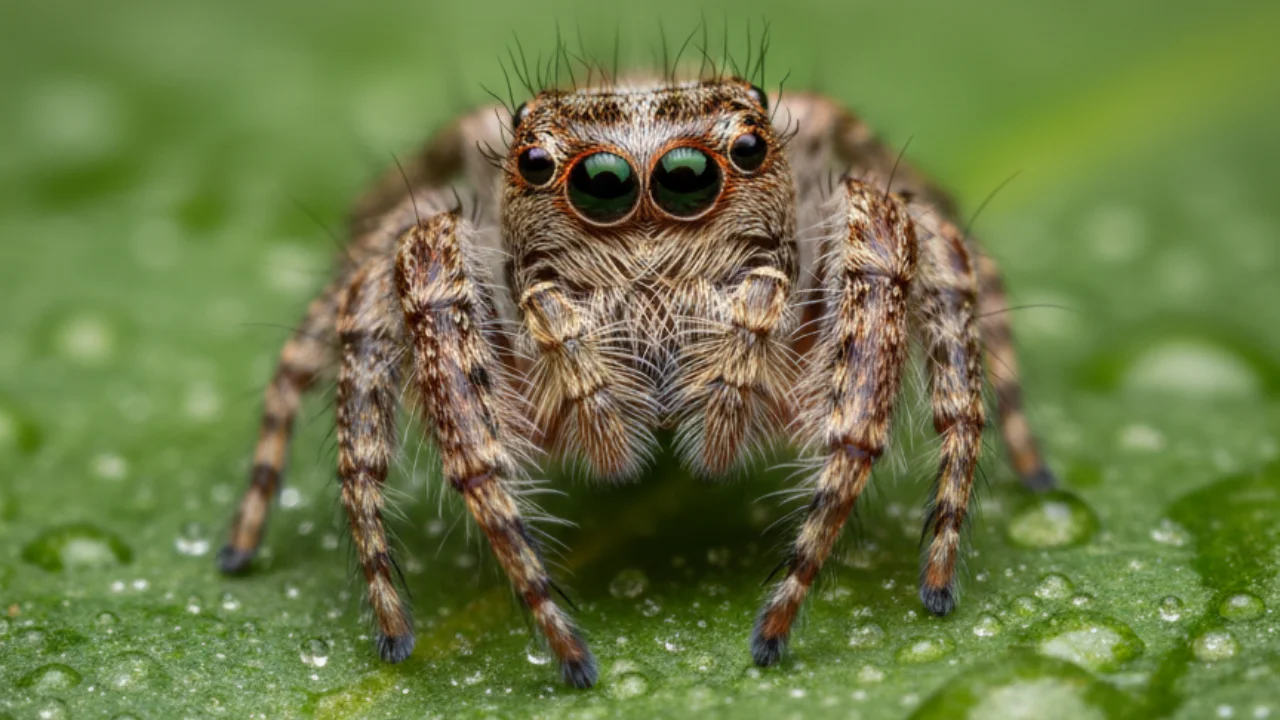
Introduction to Pantropical Jumping Spider
What is a Pantropical Jumping Spider?
The Pantropical jumping spider scientific name is Plexippus paykulli, a widely recognized species known for its sharp vision, quick movements, and curious behavior. Found across warm regions of the world, this spider has also established a noticeable presence in parts of the United States, especially in urban and suburban environments.
Unlike traditional web-building spiders, jumping spiders actively hunt their prey. This makes them fascinating to observe and one of the most interactive spider species for humans. Many beginners who are curious about keeping spiders often search for Pantropical jumping spider pet information due to their manageable size and engaging personality.
Why This Spider is Gaining Popularity in the USA
In recent years, interest in exotic and low-maintenance pets has increased. As a result, more people are asking questions like:
- Is the Pantropical jumping spider is it poisonous?
- What is the Pantropical jumping spider lifespan?
- Are Pantropical jumping spiders friendly enough to keep at home?
This growing curiosity has made the species popular among hobbyists, students, and even families looking for unique pets.
Key Reasons Behind Its Popularity
- Easy to care for compared to reptiles or mammals
- Requires minimal space and maintenance
- Displays intelligent and curious behavior
- Rarely aggressive toward humans
- Suitable for beginners exploring arachnid pets
Quick Overview Table
| Feature | Details |
| Scientific Name | Plexippus paykulli |
| Common Name | Pantropical Jumping Spider |
| Behavior | Active hunter, curious |
| Habitat | Urban walls, homes, gardens |
| Popularity | High among beginner pet keepers |
What You Will Learn in This Guide
This guide is designed to answer all major questions, including:
- Understanding the Pantropical jumping spider bite and safety
- Learning about the Pantropical jumping spider lifespan
- Exploring differences in Pantropical jumping spider male vs female
- Deciding if a Pantropical jumping spider pet is right for you
By the end, you will have a complete understanding of whether this spider fits your lifestyle and comfort level.
Pantropical Jumping Spider Scientific Name and Classification
Scientific Name and Taxonomy Overview
The Pantropical jumping spider scientific name is Plexippus paykulli. This species belongs to the Salticidae family, which is commonly known as jumping spiders. Salticidae is one of the largest spider families in the world, known for species that rely on vision and agility instead of webs to catch prey.
Understanding taxonomy helps identify behavior, habitat, and care requirements, especially if you are considering a Pantropical jumping spider pet.
Classification Breakdown
- Kingdom: Animalia
- Phylum: Arthropoda
- Class: Arachnida
- Order: Araneae
- Family: Salticidae
- Genus: Plexippus
- Species: Plexippus paykulli
Key Characteristics of the Species
The Pantropical jumping spider scientific name represents a species that is highly adaptable and commonly found in human environments. These spiders are visually oriented hunters, meaning they rely on their excellent eyesight to locate and stalk prey.
Some defining traits include:
- Strong jumping ability for hunting
- Large forward-facing eyes for depth perception
- Active daytime behavior
- Minimal web use, mostly for shelter
These features make them different from many other spider species and contribute to the rising interest in keeping a Pantropical jumping spider pet.
Comparison with Other Common Spider Species
| Feature | Pantropical Jumping Spider | House Spider | Wolf Spider |
| Hunting Style | Active jumping hunter | Web-based | Ground hunter |
| Vision | Excellent | Moderate | Good |
| Interaction with Humans | Curious | Avoidant | Defensive |
| Suitability as Pet | High | Low | Moderate |
This comparison highlights why many people ask, are Pantropical jumping spiders friendly, especially when comparing them to more defensive species like wolf spiders.
Why Scientific Classification Matters for Owners
For anyone interested in a Pantropical jumping spider pet, knowing the classification helps in:
- Understanding natural behavior
- Providing proper habitat conditions
- Identifying male vs female differences
- Recognizing health and lifespan patterns
It also helps answer common concerns like Pantropical jumping spider is it poisonous, since classification reveals that most Salticidae spiders have mild venom that is not dangerous to humans.
Pantropical Jumping Spider Male vs Female
Understanding Gender Differences
When identifying this species, knowing the difference between Pantropical jumping spider male vs female is essential. Both genders belong to the same species, but they show noticeable differences in size, color, and behavior.
These differences are especially important for those considering a Pantropical jumping spider pet, as males and females may have slightly different lifespans and activity levels.
Key Physical Differences
- Males are usually smaller and more slender
- Females are larger with a broader abdomen
- Males have more striking black and white markings
- Females often appear brown or gray with softer patterns
- Males have more prominent front legs used for display
Visual Comparison Table
| Feature | Male | Female |
| Size | Smaller | Larger |
| Color | Black with bold white stripes | Brown or gray tones |
| Body Shape | Slim | Rounded abdomen |
| Behavior | More active, exploratory | More calm, less movement |
| Lifespan | Shorter | Longer |
This comparison helps answer questions related to Pantropical jumping spider lifespan, as females generally live longer than males.
Behavioral Differences
Behavior also plays a role when comparing Pantropical jumping spider male vs female:
- Males are more active and tend to roam frequently
- Females are more stationary and focused on hunting
- Males perform visual displays, especially during mating
- Females prioritize feeding and survival over movement
These traits influence how they interact with humans, leading many to ask, are Pantropical jumping spiders friendly. In most cases, both genders are non-aggressive, but males may appear more curious due to their active nature.
Which One is Better as a Pet?
If you are choosing a Pantropical jumping spider pet, both genders can be suitable, but there are slight differences:
- Females are better for beginners due to longer Pantropical jumping spider lifespan
- Males are more engaging to watch because of their activity
- Females require less frequent feeding due to lower movement
- Males may need more attention due to their energy levels
Identification Tips for Beginners
To easily identify Pantropical jumping spider male vs female, look for:
- Body size difference when seen side by side
- Color contrast, with males being darker
- Movement patterns, where males are more active
- Abdomen size, which is larger in females
This understanding not only helps in identification but also improves care if you plan to keep a Pantropical jumping spider pet.
Habitat and Distribution in the USA
Where Are Pantropical Jumping Spiders Found?
The species identified by the Pantropical jumping spider scientific name, Plexippus paykulli, is widely distributed across tropical and subtropical regions. In the United States, it is commonly found in warmer states such as Florida, Texas, and parts of California.
These spiders thrive in environments where temperatures remain moderate to warm throughout the year. Their adaptability is one of the main reasons they are frequently seen in both natural and urban settings.
Common Locations in the USA
- Residential homes and buildings
- Garden walls and fences
- Near windows and door frames
- Outdoor vegetation and shrubs
- Warehouses and urban structures
Their presence in homes often leads people to ask, Pantropical jumping spider is it poisonous, especially when they encounter them indoors.
Indoor vs Outdoor Habitat
Pantropical jumping spiders are highly adaptable and can live both indoors and outdoors. This flexibility makes them different from many other spider species.
| Habitat Type | Characteristics | Human Interaction |
| Indoor | Warm, stable environment | Frequent sightings |
| Outdoor | Plants, walls, sunlight exposure | Less direct contact |
Indoors, they are often seen near light sources where insects gather. Outdoors, they prefer sunlit surfaces where they can actively hunt.
Climate Preference and Survival
The Pantropical jumping spider lifespan is influenced by environmental conditions. These spiders prefer:
- Warm temperatures between 20 to 30°C
- Moderate humidity levels
- Access to prey such as flies and small insects
- Safe hiding spots for rest
In colder regions, their survival rate decreases, which is why they are less common in northern parts of the USA.
Comparison with Other Common House Spiders
| Feature | Pantropical Jumping Spider | Cellar Spider | Common House Spider |
| Habitat Flexibility | High | Moderate | Low |
| Visibility | High | Low | Medium |
| Activity Time | Daytime | Nighttime | Nighttime |
| Interaction with Humans | Curious | Avoidant | Passive |
This comparison explains why many people notice them more often and start asking questions like are Pantropical jumping spiders friendly or whether they are safe to keep as a Pantropical jumping spider pet.
Why Habitat Matters for Pet Owners
If you are planning to keep a Pantropical jumping spider pet, understanding its natural habitat helps in:
- Creating a comfortable enclosure
- Maintaining proper temperature and humidity
- Supporting a healthy Pantropical jumping spider lifespan
- Reducing stress and defensive behavior
Pantropical Jumping Spider Lifespan
Average Lifespan of This Species
The Pantropical jumping spider lifespan typically ranges between 6 months to 1 year, depending on gender and environmental conditions. Like many spider species, females tend to live longer than males, which is an important factor when choosing a Pantropical jumping spider pet.
Males usually have shorter lifespans because they are more active and spend energy searching for mates. Females, on the other hand, conserve energy and focus more on feeding and survival.
Lifespan by Gender
- Male lifespan: 6 to 8 months
- Female lifespan: 8 to 12 months
- Captivity lifespan: Often longer with proper care
- Wild lifespan: Shorter due to predators and environment
These differences are often discussed when comparing Pantropical jumping spider male vs female, especially for pet owners.
Factors That Affect Lifespan
Several factors directly impact the Pantropical jumping spider lifespan, whether in the wild or captivity:
- Availability of food
- Temperature and humidity conditions
- Exposure to predators
- Stress levels in captivity
- Quality of care as a Pantropical jumping spider pet
Proper care can significantly extend their life, making them more enjoyable and easier to observe over time.
Lifespan Comparison with Other Spiders
| Spider Type | Average Lifespan |
| Pantropical Jumping Spider | 6 to 12 months |
| Tarantula | 5 to 20 years |
| Wolf Spider | 1 to 2 years |
| House Spider | 1 to 3 years |
This comparison helps set realistic expectations for new owners who are considering a Pantropical jumping spider pet.
How to Extend Lifespan in Captivity
To improve the Pantropical jumping spider lifespan, follow these care tips:
- Provide a clean and well-ventilated enclosure
- Maintain stable temperature and humidity
- Feed live insects regularly
- Avoid excessive handling to reduce stress
- Monitor health and activity levels
These practices not only extend lifespan but also improve behavior, making people more comfortable and reducing concerns like Pantropical jumping spider is it poisonous or whether it poses any risk.
Why Lifespan Matters for Pet Owners
Understanding the Pantropical jumping spider lifespan is important because:
- It helps set expectations for beginners
- Influences the choice between male vs female
- Affects long-term care planning
- Helps build a better connection with the pet
Pantropical Jumping Spider Bite and Is It Poisonous
Pantropical Jumping Spider Is It Poisonous?
A very common concern is whether the Pantropical jumping spider is it poisonous. The answer is that this spider is technically venomous, but not dangerous to humans. Its venom is used to subdue small insects and does not pose any serious health risk to people.
For most individuals, contact with this spider is completely safe, which is why it is often considered suitable as a Pantropical jumping spider pet.
Poisonous vs Venomous
- Poisonous means harmful if touched or consumed
- Venomous means injecting toxins through a bite
- Pantropical jumping spiders are venomous but harmless to humans
- Their venom is too weak to cause serious effects
Pantropical Jumping Spider Bite Symptoms
A Pantropical jumping spider bite is rare because these spiders are not aggressive. However, if a bite does occur, symptoms are usually mild.
Common symptoms include:
- Slight redness at the bite area
- Mild itching or irritation
- Temporary swelling
- Minimal discomfort that fades quickly
In most cases, no medical treatment is required.
When Should You Be Concerned?
Although a Pantropical jumping spider bite is harmless for most people, you should take precautions in rare situations:
- If allergic reactions occur
- If swelling increases significantly
- If pain persists longer than expected
- If the bite area shows signs of infection
These cases are uncommon but should not be ignored.
Comparison with Other Spider Bites
| Spider Type | Bite Severity | Medical Risk |
| Pantropical Jumping Spider | Very mild | None |
| Black Widow | Severe | High |
| Brown Recluse | Moderate to severe | Medium to high |
| House Spider | Mild | Low |
This comparison helps answer concerns like Pantropical jumping spider is it poisonous, showing that it is one of the safest spider species.
Why Bites Rarely Happen
Pantropical jumping spiders are naturally non-aggressive, which is why many people ask, are Pantropical jumping spiders friendly.
Reasons bites are rare:
- They prefer to escape rather than attack
- They only bite when threatened or trapped
- They are curious but cautious around humans
- Proper handling reduces any risk
Safety Tips for Handling
If you keep a Pantropical jumping spider pet, follow these tips:
- Avoid sudden movements
- Do not squeeze or trap the spider
- Let it move freely on your hand
- Handle gently and calmly
This makes them a safe and beginner-friendly option despite concerns about the Pantropical jumping spider bite.
Are Pantropical Jumping Spiders Friendly
Understanding Their Behavior Toward Humans
A common question among beginners is, are Pantropical jumping spiders friendly. The answer is yes, in most cases they are considered one of the most harmless and approachable spider species.
These spiders are known for their curious and observant nature. Instead of hiding immediately, they often stop and look at humans, which creates the impression of interaction. This behavior makes them unique compared to other spiders that avoid human contact.
Key Behavioral Traits
- Curious and alert
- Non-aggressive in most situations
- Prefer observation over attack
- Active during the daytime
- Responsive to movement and light
These traits make them appealing for those interested in keeping a Pantropical jumping spider pet.
How Friendly Are They Compared to Other Spiders
Spider Type Behavior Friendliness Level Pantropical Jumping Spider Curious, calm High Wolf Spider Defensive Medium House Spider Shy, avoidant Low Black Widow Aggressive if disturbed Very low This comparison clearly shows why people often ask, are Pantropical jumping spiders friendly, especially when choosing a safe spider species.
Interaction with Humans
Pantropical jumping spiders rarely show aggression toward humans. Instead, they tend to:
- Observe movements with their large eyes
- Move slowly when approached
- Jump away if they feel threatened
- Explore surfaces, including hands
This calm nature also reduces the likelihood of a Pantropical jumping spider bite, making them safe for casual handling.
Customer Testimonial Highlights
Many pet owners in the USA have shared positive experiences with this species as a Pantropical jumping spider pet.
- “It actually watches me while I move, feels interactive”
- “Very calm and never tried to bite”
- “Perfect first spider for beginners”
- “Low maintenance and surprisingly friendly behavior”
These real experiences reinforce the idea that they are not dangerous, addressing concerns like Pantropical jumping spider is it poisonous.
What Makes Them Feel Less Threatening
Their friendly perception comes from:
- Small size and non-threatening appearance
- Lack of aggressive defense behavior
- Minimal risk associated with Pantropical jumping spider bite
- Predictable and calm movements
Important Handling Advice
Even though they are considered friendly:
- Avoid forcing interaction
- Do not handle during feeding
- Keep movements slow and controlled
- Respect their space to maintain trust
This balance of curiosity and calmness makes them ideal for anyone asking, are Pantropical jumping spiders friendly or considering a Pantropical jumping spider pet.
Pantropical Jumping Spider Pet Guide
Is It a Good Choice for Beginners?
Keeping a Pantropical jumping spider pet has become increasingly popular in the United States, especially among beginners looking for a low-maintenance and interactive pet. Their small size, simple care needs, and curious personality make them an attractive option.
Many first-time owners are drawn to this species after learning that Pantropical jumping spider is it poisonous concerns are minimal, and that the Pantropical jumping spider bite is generally harmless.
Basic Care Requirements
To keep a healthy Pantropical jumping spider pet, you need:
- A small, well-ventilated enclosure
- Moderate temperature and humidity
- नियमित feeding with live insects
- Clean environment to prevent stress
- Minimal but gentle interaction
Providing proper care directly improves the Pantropical jumping spider lifespan in captivity.
Pros and Cons of Keeping This Spider
Pros
- Easy to care for compared to other pets
- Requires very little space
- Interesting and active behavior
- Low risk associated with Pantropical jumping spider bite
- Suitable for beginners and students
Cons
- Short Pantropical jumping spider lifespan
- Limited physical interaction compared to mammals
- Requires live food, which may not suit everyone
- Small size makes them easy to lose
- Sensitive to environmental changes
Comparison with Other Pet Spiders
Feature Pantropical Jumping Spider Tarantula Wolf Spider Maintenance Low Medium Medium Interaction High Low Medium Space Required Very small Large enclosure Medium Bite Risk Very low Low to moderate Moderate Beginner Friendly High Medium Low This comparison shows why many people prefer a Pantropical jumping spider pet, especially when asking are Pantropical jumping spiders friendly.
What Owners Say About Keeping Them
Customer feedback highlights why this species is gaining popularity:
- “Super easy to manage and fun to watch daily”
- “Does not feel scary like other spiders”
- “Perfect pet for small apartments”
- “Great introduction to spider keeping”
These experiences also help reduce fear around topics like Pantropical jumping spider is it poisonous.
Important Considerations Before Getting One
Before choosing a Pantropical jumping spider pet, consider:
- Your comfort level with feeding live insects
- Ability to maintain a stable environment
- Understanding of Pantropical jumping spider male vs female differences
- Awareness of their relatively short lifespan
This makes the Pantropical jumping spider a practical and beginner-friendly pet with minimal risks and engaging behavior.
Diet and Feeding Habits
What Do Pantropical Jumping Spiders Eat?
The species known by the Pantropical jumping spider scientific name, Plexippus paykulli, is a natural predator that feeds on small insects. Unlike web-building spiders, it actively hunts its prey using speed and precision.
In both the wild and captivity, their diet plays a major role in maintaining a healthy Pantropical jumping spider lifespan and overall activity level.
Common Food Sources
- House flies
- Fruit flies
- Mosquitoes
- Small crickets
- Gnats and other tiny insects
For those keeping a Pantropical jumping spider pet, providing live prey is essential since these spiders rely on movement to detect food.
Feeding Frequency and Schedule
Proper feeding is important to support growth and energy levels. A well-fed spider is less stressed and less likely to show defensive behavior, reducing concerns about a Pantropical jumping spider bite.
Recommended feeding routine:
- Juveniles: Feed every 1 to 2 days
- Adults: Feed every 2 to 3 days
- Remove uneaten prey to keep enclosure clean
- Provide small water droplets for hydration
Hunting Behavior and Feeding Style
Pantropical jumping spiders use their excellent vision to locate prey. Their hunting process includes:
- Spotting prey from a distance
- Slowly approaching with precision
- Jumping quickly to capture
- Injecting mild venom to immobilize prey
This behavior often fascinates owners and reinforces why many ask, are Pantropical jumping spiders friendly, as they rarely show aggression outside hunting.
Comparison with Other Spider Feeding Habits
Spider Type Feeding Style Food Dependency Pantropical Jumping Spider Active hunting Live prey required Orb Weaver Web trapping Passive feeding Wolf Spider Ground hunting Live prey House Spider Web-based Trapped insects This comparison shows why feeding a Pantropical jumping spider pet can feel more interactive compared to other species.
Feeding Tips for Pet Owners
To maintain a healthy Pantropical jumping spider lifespan, follow these tips:
- Offer appropriately sized prey
- Avoid overfeeding
- Maintain a consistent feeding schedule
- Observe eating behavior regularly
- Keep feeding area clean
Why Diet Matters
Diet directly affects:
- Energy and activity levels
- Growth and development
- Longevity and Pantropical jumping spider lifespan
- Behavior and friendliness
A properly fed spider is more active, less stressed, and easier to manage, making it ideal as a Pantropical jumping spider pet.
Handling, Safety Tips, and Final Thoughts
How to Handle a Pantropical Jumping Spider Safely
Handling a Pantropical jumping spider pet can be a safe and enjoyable experience if done correctly. These spiders are naturally calm and curious, but they still require gentle and careful interaction.
Since concerns like Pantropical jumping spider is it poisonous are common, it is important to understand that proper handling further reduces any minimal risk associated with a Pantropical jumping spider bite.
Safe Handling Guidelines
- Always approach slowly and calmly
- Let the spider walk onto your hand instead of grabbing it
- Avoid sudden movements or loud disturbances
- Handle in a secure area to prevent escape
- Do not handle during feeding or molting periods
These steps help maintain trust and ensure safe interaction.
Safety Tips for Homes and Families
Pantropical jumping spiders are generally safe around humans, including children and pets. However, basic precautions should still be followed:
- Supervise children during interaction
- Avoid squeezing or trapping the spider
- Keep enclosure properly secured
- Maintain cleanliness to support health
These practices help eliminate fear and reinforce the idea that are Pantropical jumping spiders friendly is a valid and reassuring question for beginners.
Risk Level Compared to Other Pets
Pet Type Risk Level Maintenance Interaction Pantropical Jumping Spider Very low Low Moderate Hamster Low Medium High Reptiles Medium High Low Fish Very low Medium None This comparison shows that a Pantropical jumping spider pet is one of the safest and easiest pets to manage.
Common Mistakes to Avoid
- Handling too frequently
- Ignoring environmental conditions
- Feeding incorrect prey size
- Not understanding Pantropical jumping spider male vs female differences
- Overreacting to myths like Pantropical jumping spider is it poisonous
Avoiding these mistakes improves both safety and the Pantropical jumping spider lifespan.
Call to Action
If you are looking for a low-maintenance, safe, and fascinating pet, a Pantropical jumping spider pet is an excellent choice. With minimal risk of a Pantropical jumping spider bite and a manageable Pantropical jumping spider lifespan, this species is perfect for beginners and enthusiasts alike.
Start your journey today by learning more, setting up a proper enclosure, and experiencing firsthand why so many people ask, are Pantropical jumping spiders friendly and end up choosing them as their first spider pet.
Conclusion:
Final Thoughts on This Unique Spider
The Pantropical jumping spider has gained attention for its unique behavior, manageable care requirements, and low risk to humans. Many people initially search questions like Pantropical jumping spider is it poisonous or worry about a Pantropical jumping spider bite, but quickly discover that this species is harmless and easy to handle.
Its curious nature and active hunting style make it stand out from other spiders. Whether observed in the wild or kept as a Pantropical jumping spider pet, it offers an engaging and educational experience.
Why It Stands Out from Other Spiders
Compared to many common spider species, this one offers a better balance of safety and interaction.
- Minimal risk associated with Pantropical jumping spider bite
- Short but manageable Pantropical jumping spider lifespan
- Easy to maintain in small spaces
- Suitable for beginners and enthusiasts
- Calm behavior answers the question are Pantropical jumping spiders friendly
Key Takeaways
- The Pantropical jumping spider scientific name is Plexippus paykulli
- It is not dangerous despite being venomous
- The Pantropical jumping spider lifespan ranges from 6 to 12 months
- A Pantropical jumping spider pet is low maintenance and beginner-friendly
- Understanding Pantropical jumping spider male vs female helps in better care
Is It the Right Choice for You?
If you are looking for a safe, low-maintenance, and interesting pet, this species is a strong option. Its behavior, safety level, and ease of care make it ideal for those who are new to spiders.
For anyone still unsure and asking are Pantropical jumping spiders friendly, the answer is clear from both expert knowledge and user experiences. This spider is one of the most approachable species you can encounter.
FAQs:
Pantropical jumping spider is it poisonous?
No, it is not dangerous to humans. Although venomous, it does not cause harm and is considered safe.
What is the Pantropical jumping spider lifespan?
The Pantropical jumping spider lifespan is typically between 6 to 12 months, with females living longer than males.
How serious is a Pantropical jumping spider bite?
A Pantropical jumping spider bite is very mild and may cause slight redness or irritation, which usually fades quickly.
Are Pantropical jumping spiders friendly?
Yes, they are calm, curious, and rarely aggressive, making them suitable for beginners.
Can I keep a Pantropical jumping spider pet at home?
Yes, a Pantropical jumping spider pet is easy to maintain and does not require much space or effort.
What is the Pantropical jumping spider scientific name?
The Pantropical jumping spider scientific name is Plexippus paykulli.
What is the difference between Pantropical jumping spider male vs female?
In Pantropical jumping spider male vs female, males are smaller and more active, while females are larger and have a longer lifespan.
