
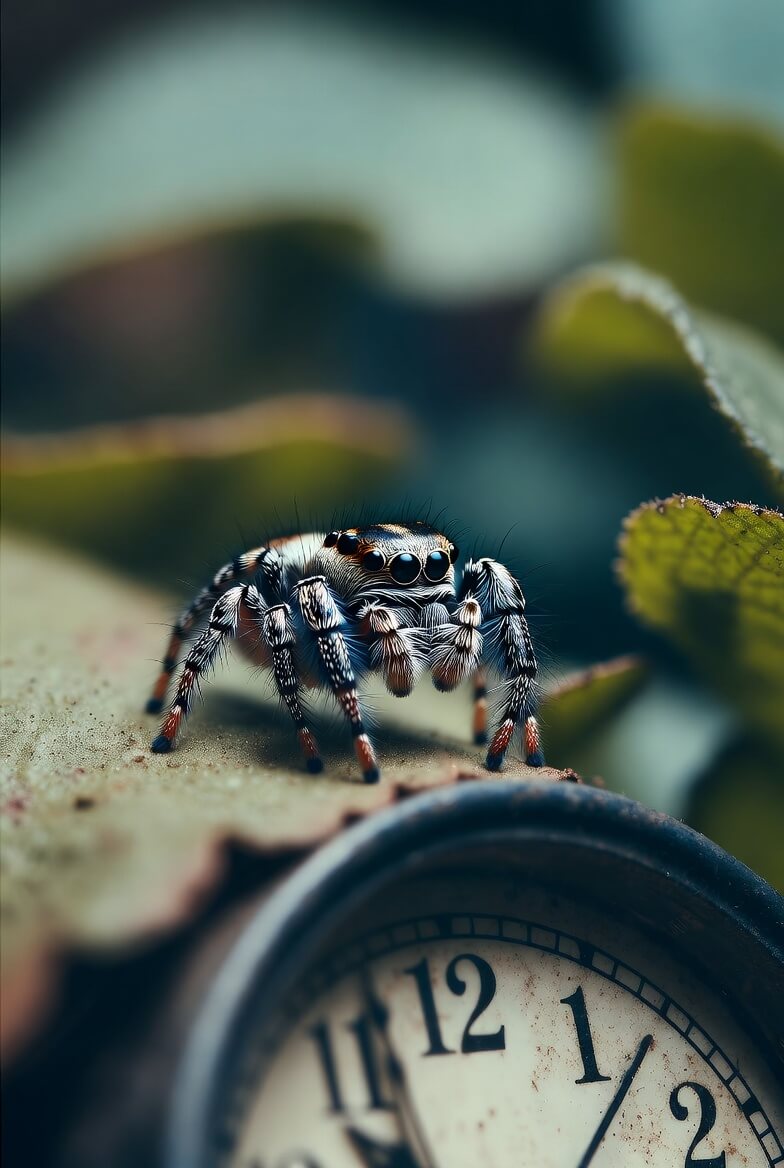
Why Fruit Flies Work Best for Jumping Spider Feeding
Choosing the right prey is one of the most important decisions in spider care. Although there are many feeder insects available, fruit flies jumping spider feeding remains the safest and most effective option for beginners.
In the wild, jumping spiders hunt tiny, fast-moving insects. Therefore, their diet relies heavily on movement and size compatibility. Fruit flies naturally meet both requirements, which makes them an ideal match for a balanced jumping spider diet.
Additionally, fruit flies are widely used by experienced keepers across the United States. For example, many breeders recommend them for spiderlings because they reduce the risk of injury while still encouraging natural hunting behavior.
Key Benefits of Using Fruit Flies
There are several reasons why fruit flies outperform other feeder insects. More importantly, they solve many common beginner problems.
- Perfect size for small spiders and spiderlings
- Completely safe with no risk of biting or injury
- Encourage active hunting and natural instincts
- Easy to culture at home or buy online
- Affordable and available year-round
As a result, new keepers can confidently start feeding without worrying about harming their spider. On the other hand, larger insects like crickets may intimidate or even injure smaller spiders.
Types of Fruit Flies You Can Use
Not all fruit flies are the same. In fact, choosing the right type can improve your success rate.
Flightless Fruit Flies
- Do not fly, making feeding easier
- Ideal for beginners
- Less chance of escape
Winged Fruit Flies
- More active and stimulate stronger hunting
- Better for experienced keepers
- Slightly harder to control during feeding
Therefore, if you are just learning how to feed jumping spider, flightless fruit flies are the best starting point.
Another advantage is consistency. Since fruit flies reproduce quickly, you can maintain a stable food supply. This makes it easier to follow a proper spider feeding schedule without interruptions.
In short, fruit flies offer the perfect balance of safety, convenience, and effectiveness. That is why they remain the top recommendation for both beginners and experienced spider keepers.
Common Problems When Feeding Jumping Spiders (And How to Fix Them)
Even with the right approach, feeding issues can still occur. In fact, many beginners struggle when using fruit flies jumping spider feeding methods for the first time. However, most problems are easy to fix once you understand the cause.
Additionally, recognizing these issues early helps prevent stress and keeps your spider healthy. Therefore, let’s break down the most common feeding challenges and their solutions.
1. Spider Is Not Eating
One of the most frequent concerns is food rejection. However, this does not always indicate a serious problem.
- Molting stage: Spiders stop eating before shedding
- Stress: New environment or handling can affect appetite
- Overfeeding: A full spider may ignore prey
Solution: Wait a few days and observe behavior. In most cases, appetite returns naturally.
2. Fruit Flies Escaping the Enclosure
Because of their tiny size, fruit flies can easily escape. As a result, this becomes frustrating for many keepers.
- Large ventilation holes
- Loose enclosure lids
- Releasing too many flies at once
Solution: Use fine mesh ventilation and release a controlled number of flies. This makes how to feed jumping spider much easier.
3. Overfeeding or Underfeeding
Finding the right balance is essential. Too much food creates stress, while too little affects growth.
- Overfeeding leads to inactivity
- Underfeeding slows development
- Irregular feeding disrupts routine
Solution: Follow a consistent spider feeding schedule based on age and size.
4. Weak Hunting Response
Sometimes, spiders ignore prey even when hungry. In many cases, the issue is not hunger but stimulation.
- Dead or inactive fruit flies
- Lack of movement in enclosure
- Low temperature affecting activity
Solution: Always provide live, active prey. Movement is essential for triggering hunting instincts.
5. Stress During Feeding
Environmental stress can reduce feeding success. For example, excessive light or noise may distract your spider.
- Frequent enclosure opening
- Handling before feeding
- Sudden environmental changes
Solution: Keep feeding calm and consistent. This supports a stable jumping spider diet.
In conclusion, most feeding problems are normal and temporary. Once you adjust your technique, feeding becomes much easier. As a result, your spider will become more active, confident, and responsive over time.
Understanding Jumping Spider Behavior Before Feeding
Before you focus on technique, it is important to understand how jumping spiders behave. In fact, feeding success depends heavily on their natural instincts. When using fruit flies jumping spider methods, behavior plays a key role.
Unlike web-building spiders, jumping spiders are active hunters. Therefore, they rely on vision, movement, and precision rather than webs. As a result, simply placing food inside the enclosure is not always enough.
How Jumping Spiders Hunt
Jumping spiders use a highly visual hunting strategy. This means they observe, track, and calculate before attacking.
- They detect movement from a distance
- They turn their body toward the prey
- They slowly stalk with controlled steps
- They jump with accuracy to capture prey
Because of this behavior, live and active prey is essential. For example, feeding spiderlings fruit flies works best when the flies are moving actively. Otherwise, the spider may ignore them completely.
Why Movement Triggers Feeding
Movement is the primary trigger for a feeding response. Without motion, the spider may not recognize the insect as food.
- Active fruit flies stimulate hunting instincts
- Still or dead insects are often ignored
- Slow-moving prey reduces response time
Therefore, always ensure your feeder insects are alive and active. This is a key part of learning how to feed jumping spider effectively.
Environmental Factors That Affect Behavior
In addition to prey movement, the environment also influences feeding. Even small changes can impact your spider’s response.
Temperature
- Warm environments increase activity
- Cold conditions slow both spider and prey
Lighting
- Moderate light improves visibility
- Too much light may cause stress
Stress Levels
- Frequent disturbance reduces feeding interest
- Stable environments encourage natural behavior
As a result, maintaining the right conditions supports a healthy jumping spider diet and improves feeding success.
What Healthy Feeding Behavior Looks Like
Recognizing normal behavior helps you track progress. A healthy spider will usually:
- Respond quickly to movement
- Show curiosity toward prey
- Actively stalk and attack
- Consume prey within a short time
On the other hand, lack of response may indicate molting, stress, or environmental issues.
In conclusion, understanding behavior transforms feeding from guesswork into a predictable process. Once you align with your spider’s instincts, feeding becomes easier, more consistent, and far more successful.
Step-by-Step Guide: How to Feed Fruit Flies to a Jumping Spider
Once you understand behavior, the next step is applying the correct feeding method. Many beginners fail not because of food choice, but because of poor technique. Therefore, following a structured process is essential when using fruit flies jumping spider feeding methods.
Additionally, a consistent routine improves confidence and reduces stress for both you and your spider. Let’s break it down step by step.
Step 1: Prepare the Enclosure Properly
Before feeding, always check the enclosure. A secure setup prevents escapes and distractions.
- Ensure ventilation holes are very small
- Close the lid tightly before releasing prey
- Remove any gaps or openings
As a result, you create a controlled environment that supports feeding success.
Step 2: Choose the Right Quantity
Feeding the correct amount is just as important as feeding itself. Too many flies can overwhelm your spider.
- Spiderlings: 3 to 5 fruit flies
- Juveniles: 5 to 8 fruit flies
- Adults: 8 to 12 fruit flies
Therefore, always match the portion with your spider’s size and appetite.
Step 3: Introduce Fruit Flies Correctly
Next, release the fruit flies carefully. Avoid dumping them directly onto the spider.
- Gently tap flies into one corner
- Allow them to spread naturally
- Keep movements slow and controlled
This method makes how to feed jumping spider more effective and less stressful.
Step 4: Observe the Hunting Process
After releasing the flies, watch your spider’s reaction. This helps you understand its behavior.
- Look for eye contact with prey
- Notice stalking movements
- Watch for a precise jump attack
In fact, active hunting indicates a healthy jumping spider diet and proper feeding routine.
Step 5: Remove Uneaten Prey
Finally, check the enclosure after 12 to 24 hours. Leaving excess flies can cause problems.
- Remove leftover fruit flies
- Clean any waste or debris
- Maintain a hygienic enclosure
As a result, you prevent stress and maintain a stable spider feeding schedule.
Pro Tips for Better Feeding Results
- Feed during active hours (daytime)
- Avoid handling your spider before feeding
- Use flightless fruit flies for better control
- Keep temperature moderate for activity
In conclusion, feeding becomes simple when you follow a clear process. With practice, your spider will respond faster and hunt more confidently every time.
Feeding Schedule for a Healthy Jumping Spider
Establishing a proper feeding routine is essential for long-term health. In fact, consistency is more important than quantity when managing a jumping spider diet. Therefore, understanding the correct timing based on age ensures better growth and behavior.
Additionally, different life stages require different feeding frequencies. For example, spiderlings need more frequent meals compared to adults. As a result, adjusting your spider feeding schedule improves survival and activity levels.
Spiderlings (Baby Jumping Spiders)
Spiderlings grow rapidly and require constant energy. Therefore, they need more frequent feeding.
- Feed daily or every 24 hours
- Offer 3–5 small fruit flies per feeding
- Monitor closely for overfeeding
Moreover, feeding spiderlings fruit flies supports fast growth and healthy molting cycles. However, avoid overcrowding the enclosure.
Juvenile Jumping Spiders
Juveniles are more stable and require slightly less frequent feeding. At this stage, their hunting skills improve significantly.
- Feed every 2–3 days
- Provide 5–8 fruit flies per feeding
- Observe hunting performance regularly
Additionally, juveniles become more independent hunters. Therefore, they respond better to movement and active prey.
Adult Jumping Spiders
Adult spiders have slower metabolism. As a result, they do not require frequent feeding.
- Feed every 3–5 days
- Offer 8–12 fruit flies depending on appetite
- Adjust based on activity level
In fact, overfeeding adults can reduce activity. Therefore, maintaining balance is crucial for long-term health.
Feeding Frequency Comparison Table
| Life Stage | Feeding Frequency | Food Quantity | Notes |
|---|---|---|---|
| Spiderlings | Daily | 3–5 fruit flies | Fast growth stage, requires monitoring |
| Juveniles | Every 2–3 days | 5–8 fruit flies | Balanced growth and hunting development |
| Adults | Every 3–5 days | 8–12 fruit flies | Lower metabolism, avoid overfeeding |
Important Feeding Adjustments
Sometimes, a fixed schedule may not work perfectly. Therefore, adjustments are necessary based on behavior.
- If the spider is inactive, reduce feeding
- If it is very active, slightly increase food
- During molting, stop feeding completely
As a result, your spider stays in optimal condition throughout its life cycle.
In conclusion, a structured feeding plan ensures stable growth and improves survival rates. When combined with proper fruit flies jumping spider care techniques, results become significantly better.
Why Your Jumping Spider Refuses to Eat
It can be concerning when your spider suddenly stops eating. However, in most cases, this behavior is completely normal. In fact, many keepers using fruit flies jumping spider feeding methods experience this at some point.
Therefore, understanding the root cause is essential before making any changes. In many situations, refusal to eat is linked to natural biological cycles rather than health problems.
1. Pre-Molting Stage
One of the most common reasons is molting. During this stage, spiders stop eating completely.
- Spider becomes less active
- Stops responding to prey
- May hide for extended periods
Solution: Do not feed during this period. Instead, allow the spider to complete its molting process naturally. As a result, appetite will return afterward.
2. Stress or Environmental Change
Stress is another major factor that affects feeding behavior. For example, a newly relocated spider may take time to adjust.
- Frequent handling
- New enclosure setup
- Sudden temperature or lighting changes
Solution: Keep the environment stable. Additionally, avoid unnecessary disturbance for a few days.
3. Overfeeding or Full Appetite
Sometimes, the issue is simply that your spider is not hungry.
- Recent large meal
- Reduced activity level
- Natural digestion cycle
Solution: Follow a proper spider feeding schedule and avoid overfeeding. Therefore, appetite will regulate naturally.
4. Inactive or Dead Prey
Jumping spiders rely heavily on movement. Therefore, prey quality matters significantly.
- Dead fruit flies are ignored
- Slow or weak insects reduce interest
- Lack of motion stops hunting response
Solution: Always use live prey when feeding spiderlings fruit flies. Movement is essential for triggering hunting instincts.
5. Temperature and Environmental Factors
Temperature plays a major role in metabolism. When conditions are too cold, feeding slows down.
- Low temperatures reduce activity
- High humidity may affect behavior
- Unstable environment causes stress
Solution: Maintain a stable, moderate temperature to support a healthy jumping spider diet.
When Should You Worry?
Although feeding refusal is often normal, there are exceptions. You should monitor closely if:
- The spider refuses food for several weeks after molting
- There is visible weakness or unusual behavior
- No movement or response at all is observed
In such cases, reassess care conditions immediately.
In conclusion, food refusal is usually a natural behavior rather than a problem. Once you understand the cause, you can confidently adjust care and maintain a healthy feeding routine.
How to Prevent Fruit Fly Escapes During Feeding
One of the most frustrating challenges for beginners is escape management. In fact, tiny insects can quickly spread if not handled correctly. Therefore, when using fruit flies jumping spider feeding methods, safety and control are extremely important.
Additionally, proper handling ensures a clean environment and reduces stress for both you and your spider. As a result, feeding becomes more controlled and efficient.
1. Use a Secure Enclosure Design
The first step is ensuring your enclosure is escape-proof. Even small gaps can cause issues.
- Use fine mesh ventilation holes
- Check lid sealing before feeding
- Avoid loose-fitting containers
Therefore, a properly sealed setup significantly reduces escape risk during feeding spiderlings fruit flies.
2. Control the Number of Fruit Flies
Overloading the enclosure is a common mistake. However, this increases escape chances and stress levels.
- Spiderlings: small batches only
- Juveniles: moderate controlled feeding
- Adults: slightly larger but still limited
As a result, controlled feeding improves safety and reduces chaos inside the enclosure.
3. Use Targeted Feeding Technique
Instead of releasing all fruit flies at once, use a controlled placement method.
- Release flies in one corner
- Avoid scattering them randomly
- Keep spider’s line of sight clear
This technique makes how to feed jumping spider much easier and more predictable.
4. Feeding Container Method (Advanced Option)
For better control, some experienced keepers use a separate feeding container.
- Transfer spider temporarily for feeding
- Eliminates escape risk in main enclosure
- Makes cleanup easier
However, this method should be used carefully to avoid stress.
5. Maintain Clean Feeding Environment
Hygiene plays an important role in feeding success. Therefore, regular cleaning is necessary.
- Remove uneaten fruit flies after 12–24 hours
- Clean leftover waste or debris
- Prevent mold and bacteria growth
As a result, your jumping spider diet remains safe and contamination-free.
Why Feeding Safety Matters
Safe feeding is not just about convenience. In fact, it directly affects your spider’s health and behavior.
- Reduces stress during feeding
- Prevents enclosure contamination
- Improves hunting focus and accuracy
Therefore, mastering safety techniques ensures long-term success with your spider care routine.
In conclusion, with the right enclosure setup and feeding method, fruit fly escapes can be easily prevented. This allows you to maintain a clean, controlled, and stress-free environment.
