
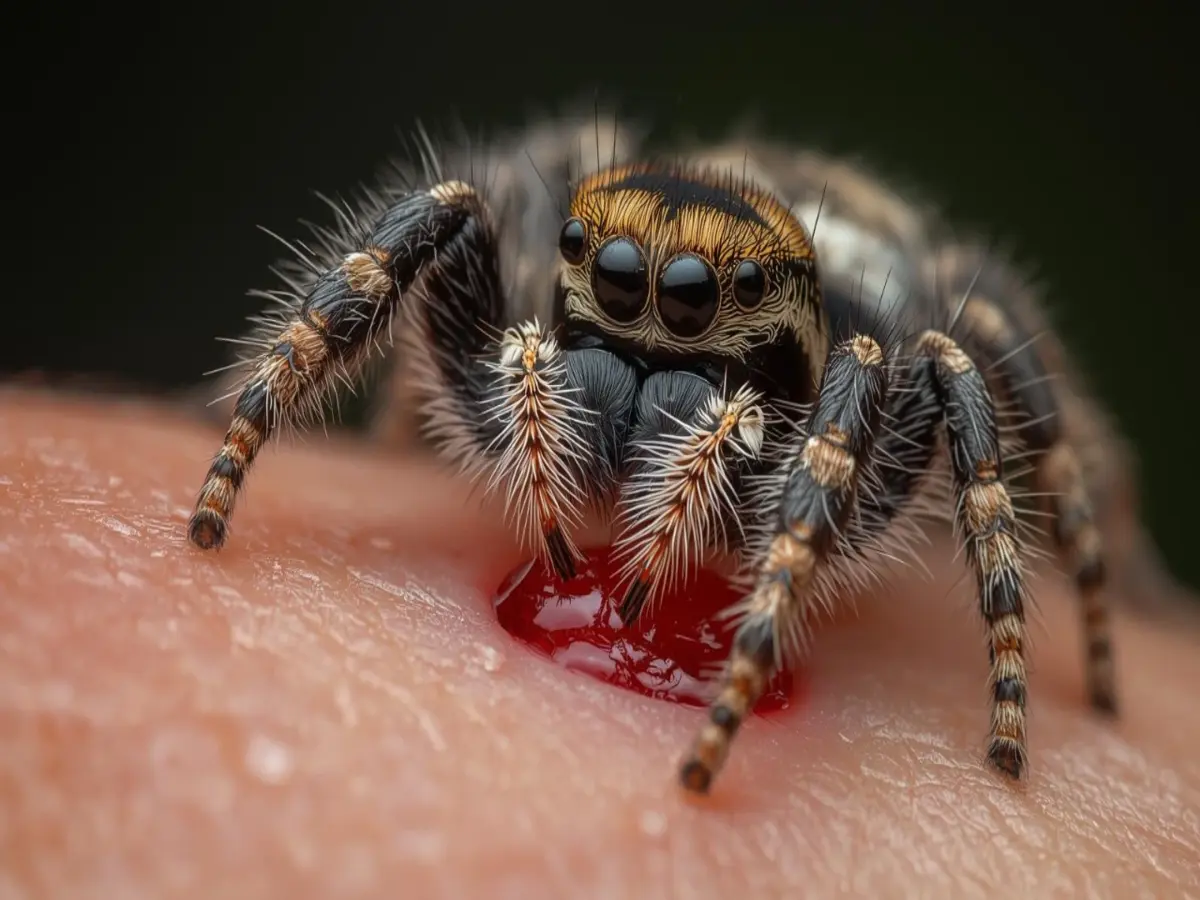
Introduction to Jumping Spider Bite
A Jumping Spider Bite is a common concern for people who encounter these small, active spiders in homes or gardens. In fact, many users in the USA search whether these bites are dangerous or require medical attention. However, jumping spiders are generally harmless and bite only when they feel threatened.
Additionally, most bites cause mild symptoms such as redness, slight swelling, and itching. Therefore, they are often compared to a mosquito bite rather than a serious medical issue. Still, understanding symptoms and proper care is important for safety and peace of mind.
This guide explains everything clearly. For example, you will learn about jumping spider bite symptoms, treatment options, and safety tips. As a result, you can respond quickly and confidently if a bite occurs.
Are Jumping Spiders Friendly?
In fact, jumping spiders are known for their curious and non-aggressive behavior. They rarely bite humans and usually try to escape instead. On the other hand, they may bite if handled roughly or trapped.
- They do not actively attack humans
- Bites occur only in self-defense
- Most species are harmless to people
- They help control insect populations
Do Jumping Spider Bites Hurt?
Most people report very mild pain. For example, the sensation is often described as less painful than a bee sting. Additionally, discomfort usually fades within a few hours.
- Mild stinging sensation
- Short-term discomfort
- No long-lasting pain in most cases
- Quick recovery with basic care
However, individual reactions may vary depending on skin sensitivity. Therefore, monitoring symptoms is always recommended.
Next, we will explain what actually happens when a jumping spider bites and how its venom affects the body.
What Happens During a Jumping Spider Bite
A Jumping Spider Bite usually occurs when the spider feels threatened or accidentally pressed against the skin. In fact, these spiders do not hunt humans and only bite in self-defense. Additionally, their venom is designed for small insects, not people.
Therefore, the reaction in humans is typically mild. Most cases show only minor skin irritation rather than serious health issues. However, understanding the process helps you stay calm and respond correctly.
Jumping Spider Bite Venomous or Not?
Yes, jumping spiders are technically venomous, but their venom is very weak for humans. For example, it is strong enough to subdue insects but not dangerous to people. As a result, most bites are harmless.
- Venom is used for hunting insects
- Not medically dangerous for humans
- Effects are usually local and mild
- Rare allergic reactions may occur
Immediate Reaction After a Bite
In fact, most people notice symptoms within minutes. These include redness, slight swelling, and mild itching. On the other hand, severe reactions are extremely rare.
- Small red bump on skin
- Mild irritation or itching
- Temporary swelling
- Minor discomfort around bite area
Additionally, symptoms often resemble mosquito bites, which makes identification easier. Therefore, panic is usually unnecessary in most situations.
Why Spiders Bite Humans
Jumping spiders bite only when they feel trapped or threatened. For example, accidental contact inside clothing or bedding may trigger a defensive bite. However, they immediately try to escape afterward.
- Self-defense response
- Accidental skin contact
- Feeling threatened or pressed
- Rare interaction with humans
Next, we will explore the most common symptoms so you can easily identify a jumping spider bite in real situations.
Jumping Spider Bite Symptoms
Understanding Jumping Spider Bite symptoms is important for quick identification and proper care. In fact, most reactions are mild and similar to common insect bites. Additionally, symptoms usually appear quickly and do not worsen in most cases.
Therefore, recognizing early signs helps you stay calm and choose the right treatment. However, in rare situations, some individuals may experience stronger reactions depending on sensitivity.
Common Symptoms
Most people experience only minor skin changes after a bite. For example, the affected area may look similar to a mosquito bite.
- Redness around the bite area
- Mild swelling or raised bump
- Light itching or irritation
- Slight discomfort on touch
In fact, these symptoms usually disappear within a few hours or a day. Therefore, basic home care is often enough for recovery.
Less Common Reactions
On the other hand, some individuals may notice stronger reactions. However, these cases are rare and usually linked to sensitive skin or allergies.
- Increased swelling beyond bite area
- More intense itching or burning
- Mild skin rash around the site
- Temporary discomfort lasting longer
Rare Allergic Symptoms
Although uncommon, allergic reactions can occur in sensitive individuals. For example, symptoms may include dizziness or widespread skin irritation.
- Hives or skin rash
- Dizziness or nausea
- Breathing difficulty in extreme cases
- Severe swelling (very rare)
Therefore, it is important to monitor symptoms carefully, especially during the first 24 hours after a bite.
Next, we will cover effective treatment methods so you know exactly how to respond after a jumping spider bite.
Jumping Spider Bite Treatment
Proper Jumping Spider Bite treatment is simple in most cases. In fact, these bites usually heal on their own without medical intervention. Additionally, quick first aid can reduce discomfort and prevent infection.
Therefore, knowing the right steps helps you manage the situation confidently. However, if symptoms worsen, medical advice should be considered.
Immediate First Aid Steps
The first few minutes after a bite are important. For example, cleaning the area helps reduce infection risk and speeds up healing.
- Wash the bite area with soap and water
- Apply a clean cold compress
- Avoid scratching the affected skin
- Keep the area clean and dry
In fact, these simple steps are enough for most mild cases. As a result, symptoms usually reduce quickly.
Over-the-Counter Treatment Options
Additionally, some OTC medications can help reduce discomfort. These are commonly used in the USA for minor insect bites.
- Antihistamine creams for itching
- Pain relievers like ibuprofen or acetaminophen
- Calamine lotion for skin soothing
- Hydrocortisone cream for mild inflammation
Home Care Tips
On the other hand, home remedies can also support healing. For example, cold compresses reduce swelling effectively.
- Apply ice pack for 10–15 minutes
- Elevate the affected area if swollen
- Drink plenty of water for recovery
- Monitor for any changes in symptoms
However, avoid using harsh chemicals or unverified remedies. Therefore, stick to safe and simple treatments for best results.
Next, we will explain when a jumping spider bite may require medical attention and warning signs to watch for.
When to Seek Medical Attention
Most Jumping Spider Bite cases do not require medical treatment. In fact, the symptoms are usually mild and resolve quickly with basic care. However, it is important to recognize warning signs that may require professional attention.
Therefore, understanding when to see a doctor ensures safety and prevents complications. Additionally, early action is always better if symptoms start to worsen instead of improving.
Warning Signs You Should Not Ignore
For example, if the bite area becomes more painful or swollen over time, it may indicate infection or an unusual reaction.
- Swelling that increases after 24–48 hours
- Severe or spreading redness
- Signs of infection like pus or warmth
- Persistent or worsening pain
Allergic Reaction Symptoms
On the other hand, allergic reactions are rare but should be taken seriously. In fact, they may develop quickly in sensitive individuals.
- Difficulty breathing or chest tightness
- Dizziness or nausea
- Widespread skin rash or hives
- Severe swelling beyond bite area
Therefore, immediate medical care is necessary if any of these symptoms appear.
When Infection Is Suspected
Additionally, infections may occur if the bite is scratched or not cleaned properly. For example, bacteria can enter the skin through small breaks.
- Pus or fluid discharge from bite
- Increased warmth around skin
- Fever in rare cases
- Delayed healing of the wound
In fact, infections are uncommon but should be treated promptly if they occur.
Next, we will discuss safety and whether jumping spiders are actually dangerous to humans in everyday situations.
Are Jumping Spiders Dangerous?
Many people worry after a Jumping Spider Bite and wonder if these spiders are dangerous. In fact, jumping spiders are generally harmless to humans. Additionally, they are not aggressive and only bite in rare defensive situations.
Therefore, most encounters in the USA do not lead to any medical issues. However, understanding their behavior helps reduce fear and confusion.
Jumping Spider Bite Safety Explained
Jumping spiders are considered beneficial because they eat insects. For example, they help control pests like flies and mosquitoes. As a result, they are often more helpful than harmful in homes and gardens.
- Not aggressive toward humans
- Bites only when threatened
- Venom is mild and not medically dangerous
- Helpful for natural pest control
Comparison With Dangerous Spiders
On the other hand, it is important to distinguish them from harmful species. For example, black widow and brown recluse spiders can cause serious health issues.
| Spider Type | Danger Level | Symptoms |
|---|---|---|
| Jumping Spider | Low | Mild redness, itching |
| Black Widow | High | Severe pain, muscle cramps |
| Brown Recluse | High | Skin damage, ulcers |
Do Jumping Spider Bites Hurt?
In most cases, pain is very mild. For example, many people compare it to a small pinprick or mosquito bite. Additionally, discomfort usually disappears quickly without treatment.
Therefore, jumping spiders are not considered a medical threat for most individuals. However, proper care is still important if a bite occurs.
Next, we will look at prevention tips to avoid future bites and keep your home spider-free.
Prevention Tips for Jumping Spider Bites
Preventing a Jumping Spider Bite is simple when you take a few practical steps at home. In fact, jumping spiders rarely enter clean and well-maintained spaces. Additionally, reducing insects around your home naturally lowers spider activity.
Therefore, prevention focuses more on environment control rather than direct spider handling. However, consistency is important for long-term results, especially in warm regions of the USA.
Keep Your Home Spider-Free
For example, sealing entry points and maintaining cleanliness can significantly reduce spider presence. As a result, chances of bites become very low.
- Seal cracks in windows and doors
- Use screens on windows
- Reduce clutter in storage areas
- Clean corners and hidden spaces regularly
Reduce Insect Attraction
In fact, jumping spiders enter homes mainly in search of food like insects. Therefore, controlling insects helps prevent spiders naturally.
- Turn off unnecessary outdoor lights at night
- Dispose of food waste properly
- Keep kitchen areas clean
- Fix moisture issues that attract bugs
Safe Spider Removal Methods
On the other hand, if you find a spider indoors, removal should be done safely. For example, avoid touching it directly.
- Use a cup and paper to release it outside
- Vacuum corners carefully if needed
- Avoid crushing spiders with bare hands
- Contact pest control if infestation is heavy
Therefore, simple preventive habits can greatly reduce the risk of encountering jumping spiders indoors.
Next, we will share real user experiences and feedback to understand how people react to jumping spider bites in real situations.
Customer Experience Highlights
Real-world experiences help us better understand how people react to a Jumping Spider Bite. In fact, most users in the USA report very mild symptoms and quick recovery. Additionally, many people are surprised that the bite is far less serious than expected.
Therefore, feedback from real cases shows that jumping spider bites are usually manageable at home without medical treatment. However, awareness still plays an important role in reducing panic.
What People Commonly Report
For example, many users describe the bite as similar to a small insect sting. As a result, they often do not realize a spider was involved until later.
- Mild redness and slight swelling
- Short-term itching or irritation
- No long-lasting pain in most cases
- Quick recovery within hours or a day
USA-Based User Feedback
In fact, many homeowners in the USA mention that they only noticed a small skin bump. Additionally, simple home care was enough for complete relief.
- Most users did not require medical visits
- Cold compress helped reduce swelling quickly
- Antihistamine creams relieved itching effectively
- Fear reduced after understanding spider behavior
Common Misunderstandings
On the other hand, some users initially panic thinking the bite is dangerous. However, after observing mild symptoms, they realize it is not serious.
- Confusion with mosquito or flea bites
- Fear due to spider appearance
- Overestimation of venom effects
- Delayed identification of bite source
Therefore, proper information helps people respond calmly and correctly to a jumping spider bite.
Next, we will conclude the article with final safety advice and key takeaways for readers.
Conclusion: Staying Safe from Jumping Spider Bites
A Jumping Spider Bite is generally harmless and rarely causes serious health issues. In fact, most people experience only mild symptoms such as redness, itching, or slight swelling. Additionally, recovery is usually quick with basic home care.
Therefore, understanding symptoms, treatment, and safety steps helps you stay calm and respond correctly. However, it is still important to monitor the bite area for any unusual changes.
Key Takeaways
- Jumping spiders are not aggressive toward humans
- Bites usually cause mild, short-term symptoms
- Simple first aid is effective in most cases
- Medical help is rarely needed
Final Safety Advice
In fact, most fear comes from misunderstanding spider behavior. However, jumping spiders are actually helpful insects that control pests. As a result, they are more beneficial than dangerous in most environments.
Therefore, staying informed is the best way to avoid unnecessary panic. Additionally, following prevention tips can further reduce the chances of encountering spiders indoors.
If you ever experience severe or unusual symptoms, seek medical advice promptly for proper care and peace of mind.
Frequently Asked Questions (FAQs)
1. What is a jumping spider bite?
A jumping spider bite is a rare defensive bite that usually causes mild skin irritation, redness, and slight swelling.
2. Are jumping spider bites dangerous?
No, they are generally not dangerous to humans. Most cases are mild and resolve quickly without medical treatment.
3. What are jumping spider bite symptoms?
Common symptoms include redness, itching, mild swelling, and minor discomfort similar to a mosquito bite.
4. How do you treat a jumping spider bite?
Clean the area with soap and water, apply a cold compress, and use antihistamine cream if needed.
5. Do jumping spider bites hurt?
Most people report only mild pain or a small sting that goes away quickly.
6. When should I see a doctor?
Seek medical help if you experience severe swelling, breathing difficulty, or signs of infection.
7. Are jumping spiders friendly?
Yes, they are generally harmless and avoid humans. They only bite when they feel threatened.
