
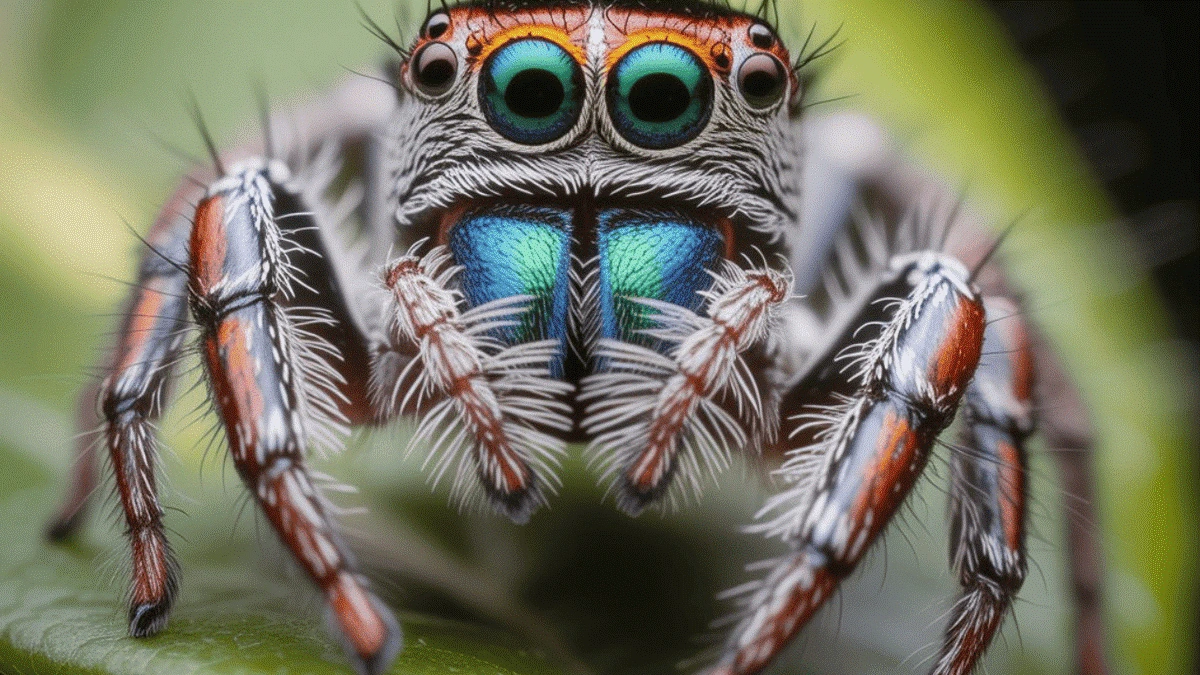
Regal Jumping Spider: Care, Habitat, Diet & Lifespan Guide
Regal Jumping Spider: How to Care, Lifespan & Facts
Introduction to the Regal Jumping Spider
The regal jumping spider is one of the most recognizable and admired jumping spiders in the United States. Known for its expressive eyes and active personality, this species has gained popularity among nature enthusiasts and people interested in keeping spiders as pets. The regal jumping spider black and white color pattern is especially striking and helps with easy identification in the wild and captivity.
This species is often searched by beginners looking for a regal jumping spider pet because it is intelligent, curious, and relatively easy to observe. Many hobbyists also look for a regal jumping spider for sale to study its behavior closely. Understanding care requirements, size, lifespan, and temperament is essential before deciding to keep one.
Key reasons for popularity include:
- Active daytime behavior
- Clear visual differences between male and female spiders
- Safe interaction with humans when handled properly
- Educational value for all age groups
People often ask whether a regal jumping spider bite is dangerous. While bites are rare, they are usually mild and not medically significant. The regal jumping spider lifespan and price can vary depending on care, age, and source, which makes research important before purchase.
This guide explains everything from juvenile regal jumping spider care to adult size, lifespan, and responsible ownership. It also helps readers decide whether this spider fits their interest level and environment.
Call-to-Action
Explore more expert spider care guides on jumpingspider.xyz and learn how to safely observe and care for jumping spiders.
Identification and Physical Appearance
The regal jumping spider is easy to identify due to its compact body, fuzzy appearance, and expressive front eyes. One of the most common color patterns is regal jumping spider black and white, especially seen in adult males. Females tend to be larger with softer gray or brown tones.
Regal jumping spider size typically ranges between 12 mm and 18 mm depending on sex and age. Juveniles are much smaller and lighter in color, often mistaken for other jumping spider species.
Key identification features include:
- Large forward-facing eyes for depth perception
- Thick front legs used during courtship displays
- Short body covered in fine hair
- High jumping ability without web use
Juvenile regal jumping spider stages show gradual color changes as they molt and mature. These changes help owners track growth and health. Male spiders are often slimmer and more colorful, while females are heavier and longer-lived.
Comparison with Competitors:
Regal jumping spider vs common jumping spider
- Larger size and more visible markings
- More interactive behavior
- Easier to identify by coloration
Customer Testimonial Highlight
“I noticed my juvenile regal jumping spider develop its black and white markings within a few molts. Watching the transformation was incredible.”
Daniel R., Arizona
Learn to identify regal jumping spiders correctly with detailed visual guides available on jumpingspider.xyz.
Natural Habitat and Distribution
The regal jumping spider is native to the southeastern and central United States, but it can also be found in other warm regions. Its adaptability allows it to thrive in forests, gardens, walls, and even inside homes. This flexibility contributes to its popularity as a regal jumping spider pet.
Common habitats include:
- Tree bark and wooden fences
- Garden plants and shrubs
- Exterior house walls
- Window frames and sunny indoor areas
Juvenile regal jumping spider individuals often stay hidden in leaf litter or small crevices for protection. Adults prefer open spaces where they can hunt insects efficiently using their excellent vision.
Environmental factors affecting habitat choice:
- Moderate warmth
- Availability of prey
- Low pesticide exposure
- Safe climbing surfaces
Compared to other species, regal jumping spiders tolerate human environments well. This makes them easier to observe than many ground-dwelling spiders.
Comparison with Competitors:
Regal jumping spider vs wolf spider
- Arboreal vs ground-dwelling
- Active hunting vs ambush behavior
- Smaller size and less intimidating appearance
Customer Testimonial Highlight
“I frequently see regal jumping spiders on my porch in Florida. They keep insect numbers low and never cause problems.”
Melissa T., Florida
Call-to-Action
Create a spider-friendly garden space and support natural pest control with jumping spiders.
Regal Jumping Spider Diet and Feeding
The regal jumping spider is a visual hunter that feeds on live prey rather than using webs. Its diet consists mainly of small insects, making it beneficial for natural pest control. Juvenile regal jumping spider diets are similar but require smaller prey sizes.
Common food sources:
- Fruit flies
- Small crickets
- Flies and moths
- Tiny roaches
Feeding frequency depends on age and size. Juveniles require more frequent meals, while adults can be fed every two to three days. Proper feeding directly impacts regal jumping spider lifespan and overall health.
In captivity, food must be alive to stimulate hunting behavior. Water is usually provided through light misting or small droplets on enclosure walls.
Comparison with Competitors:
Regal jumping spider vs bold jumping spider
- Slightly larger prey preference
- More deliberate hunting style
- Similar feeding schedules
Customer Testimonial Highlight
“My regal jumping spider quickly learned to hunt fruit flies. Feeding time is always entertaining.”
Alex P., California
Follow feeding best practices to support healthy growth and activity in your regal jumping spider.
Behavior and Temperament
Regal jumping spiders are diurnal, meaning they are most active during the day. Their intelligence and curiosity make them fascinating to observe. Unlike many spiders, they often appear to watch and respond to human movement.
Behavior traits include:
- Head tilting when observing objects
- Short exploratory jumps
- Territorial displays during mating
- Minimal aggression toward humans
A regal jumping spider bite is extremely rare and usually occurs only when the spider feels threatened. Symptoms are mild and comparable to a mosquito bite.
Juveniles are more cautious, while adults are bolder and more interactive. This behavior makes them suitable for controlled observation but not excessive handling.
Comparison with Competitors:
Regal jumping spider vs house spider
- More active and visible
- Less web-building
- Higher interaction level
Customer Testimonial Highlight
“My regal jumping spider seems curious rather than fearful. It often watches me through the enclosure.”
Sophia L., TexasObserve responsibly and enjoy the unique personality of regal jumping spiders.
Care Requirements and Housing
Caring for a regal jumping spider requires a simple but well-planned setup. Proper housing improves comfort, reduces stress, and supports a healthy regal jumping spider lifespan.
Basic care needs:
- Vertical enclosure for climbing
- Ventilation for airflow
- Natural or artificial perches
- Safe humidity levels
Temperature should remain moderate, ideally between 70 and 85 degrees Fahrenheit. Clean enclosures prevent mold and mite issues.
Juvenile regal jumping spider enclosures should be smaller to prevent escape and ensure easy access to food.
Pros and Cons of Keeping a Regal Jumping Spider Pet
Pros:
- Easy to care for
- Intelligent and engaging
- Minimal space required
- Educational value
Cons:
- Requires live prey
- Short lifespan compared to mammals
- Delicate handling needed
Customer Testimonial Highlight
“As a beginner, I found regal jumping spider care straightforward and rewarding.”
Nathan C., OregonSet up a proper enclosure and enjoy stress-free care with expert tips from jumpingspider.xyz.
Lifespan, Price, and Availability
The regal jumping spider lifespan typically ranges from one to two years. Females usually live longer than males, especially when well cared for in captivity.
Factors influencing lifespan:
- Diet quality
- Environmental stability
- Stress levels
- Breeding activity
Many enthusiasts search for regal jumping spider for sale from ethical breeders. Regal jumping spider price varies based on age, color, and seller reputation.
General price range in the US:
- Juveniles: lower cost
- Adults: moderate cost
- Breeding females: higher cost
Comparison with Competitors:
Regal jumping spider vs tarantula
- Shorter lifespan
- Lower maintenance cost
- Smaller space requirement
Customer Testimonial Highlight
“The regal jumping spider price was affordable, and the experience has been amazing.”
Olivia M., New York
Choose ethical breeders and ensure responsible ownership when purchasing a regal jumping spider.
Conclusion
The regal jumping spider is an intelligent, visually striking species that offers educational value and safe observation opportunities. From juvenile regal jumping spider care to understanding adult size, behavior, and lifespan, proper knowledge ensures a positive experience. With responsible care, this spider can be a fascinating companion for nature lovers and beginners alike.Explore more in-depth jumping spider guides, care tips, and species comparisons at jumpingspider.xyz.
FAQs About Regal Jumping Spider
- What is the average regal jumping spider lifespan
One to two years depending on care and gender. - Is a regal jumping spider bite dangerous
No, bites are rare and usually mild. - What is the typical regal jumping spider size
Adults range from 12 mm to 18 mm. - Can a regal jumping spider be kept as a pet
Yes, it is one of the best beginner-friendly jumping spiders. - How much does a regal jumping spider price range
Prices vary based on age and seller but are generally affordable. - What do juvenile regal jumping spider individuals eat
Small live insects such as fruit flies.
Where can I find a regal jumping spider for sale
From ethical US breeders and specialized spider platforms.
