
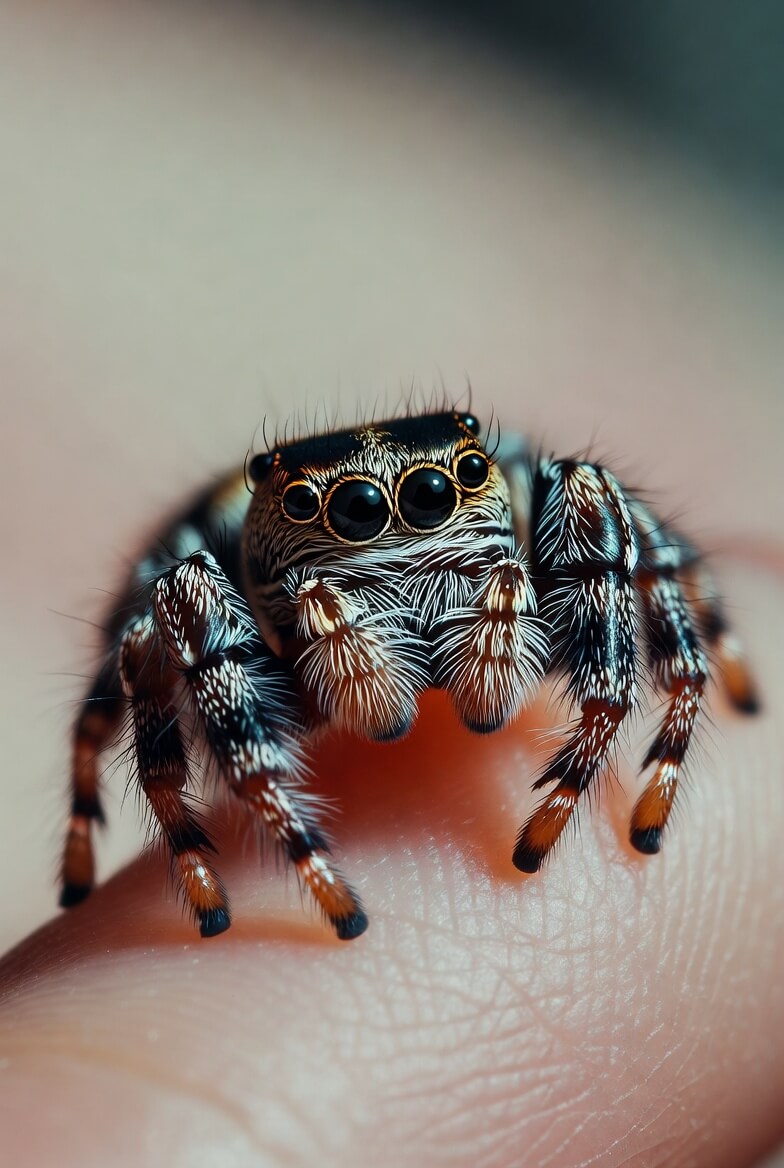
Downside of Having a Jumping Spider as a Pet: What You Should Know First
The downside of having a jumping spider as a pet is often overlooked by beginners. These tiny creatures look adorable and curious. However, their care needs and limitations can surprise new owners.
In recent years, jumping spiders have become popular in the USA. Social media has made them look friendly and easy to keep. As a result, many people adopt them without proper research.
However, owning one is not always simple. While they are low-maintenance compared to dogs or cats, they still require specific care. Additionally, they do not behave like traditional pets.
Why People Are Attracted to Jumping Spiders
Before understanding the downside of having a jumping spider as a pet, it helps to know why people love them.
- They have large, expressive eyes
- They show curious and alert behavior
- They require very little space
- They are generally non-aggressive
In fact, many owners describe them as “cute” or “intelligent.” This creates an emotional appeal. However, expectations often do not match reality.
Are Jumping Spider Bad to Have in Your House?
Many beginners ask: are jumping spider bad to have in your house? The answer depends on your expectations.
On one hand, they help control small insects. On the other hand, they are still spiders. Some people feel uncomfortable sharing space with them.
Additionally, they can escape easily if not housed properly. This creates stress for both the owner and the spider.
Setting the Right Expectations
Understanding the downside of having a jumping spider as a pet helps you avoid disappointment. These pets are best for observation, not interaction.
- They do not form emotional bonds like mammals
- They have a short lifespan
- They require live feeding
- They need controlled environments
Therefore, they are ideal for hobbyists, not for everyone. If you expect a playful or affectionate pet, you may feel unsatisfied.
Short Lifespan: A Major Downside of Having a Jumping Spider as a Pet
One of the biggest downsides of having a jumping spider as a pet is its short lifespan. Many first-time owners in the USA are surprised by how little time they get with these fascinating creatures.
Most jumping spiders live between 6 months and 2 years. In some cases, they may live slightly longer with excellent care. However, compared to traditional pets, this is a very short commitment.
Why Their Lifespan Feels Even Shorter
Although the numbers may seem reasonable, the experience often feels shorter. This is because jumping spiders grow quickly and age fast.
- They mature within a few months
- Their active phase is relatively brief
- Older spiders become less energetic
As a result, owners may feel like their pet’s “best days” pass too quickly. This can be disappointing, especially for beginners.
Emotional Impact on Owners
The downside of having a jumping spider as a pet is not just practical. It can also be emotional. Many owners form attachments despite knowing the short lifespan.
In fact, some people describe feeling unexpected sadness when their spider dies. This is especially true for those who interact with their spider daily.
- Frequent observation builds familiarity
- Unique personalities create emotional connection
- Loss can feel sudden and unfair
Therefore, this pet may not be ideal for sensitive individuals or children. The emotional cycle can be difficult to handle repeatedly.
Comparison with Other Common Pets
To better understand this downside, it helps to compare lifespans:
| Pet Type | Average Lifespan |
|---|---|
| Jumping Spider | 6 months – 2 years |
| Hamster | 2 – 3 years |
| Cat | 12 – 18 years |
| Dog | 10 – 15 years |
Clearly, jumping spiders offer a much shorter companionship period. This makes them less suitable for those seeking long-term pets.
Is It Worth It Despite the Short Life?
On the other hand, some owners accept this limitation. They value the unique experience rather than the duration.
Additionally, their short lifespan allows enthusiasts to care for multiple generations over time. However, this requires emotional readiness.
Ultimately, the downside of having a jumping spider as a pet becomes significant if you expect a long-lasting bond. Understanding this early helps set realistic expectations.
Feeding Live Prey: A Practical Downside of Having a Jumping Spider as a Pet
Another major downside of having a jumping spider as a pet is their feeding requirement. Unlike cats or dogs, jumping spiders do not eat processed food. Instead, they require live prey to survive.
For many beginners in the USA, this becomes an unexpected challenge. While it may sound simple, feeding live insects can feel uncomfortable or inconvenient.
Why Live Feeding Is Necessary
Jumping spiders are active hunters. They rely on movement to detect and capture food. Therefore, dead insects are usually ignored.
This means you must regularly provide live insects such as:
- Fruit flies for smaller spiders
- Crickets for medium-sized spiders
- Mealworms or small roaches for larger species
As a result, feeding becomes a hands-on responsibility rather than a simple routine.
Common Challenges Owners Face
The downside of having a jumping spider as a pet becomes clear during feeding time. Many owners struggle with the process.
- Handling live insects can feel unpleasant
- Feeder insects can escape easily
- Maintaining a supply of live food requires planning
- Uneaten prey can stress or harm the spider
Additionally, you may need to keep feeder insects alive at home. This adds another layer of care that many people do not expect.
Ethical and Emotional Concerns
Some people also question: is it cruel to keep jumping spiders a pet? This concern often arises because of live feeding.
On one hand, feeding live prey is natural for spiders. On the other hand, some owners feel uncomfortable watching insects being hunted.
In fact, this can be a deal-breaker for individuals who prefer plant-based or humane feeding practices.
Cost and Convenience Factors
Although jumping spiders are considered low-cost pets, feeding can still add ongoing expenses.
- Regular purchase of feeder insects
- Travel to pet stores or online ordering
- Time spent maintaining insect cultures
Therefore, the convenience factor is lower than many expect. This is especially true for busy individuals.
Is This Downside Manageable?
However, experienced owners often adapt quickly. They develop routines and even breed feeder insects at home.
Additionally, feeding becomes easier once you understand your spider’s habits. Still, it requires commitment and consistency.
Ultimately, the downside of having a jumping spider as a pet is significant if you are uncomfortable with live feeding. Knowing this in advance helps you make an informed decision.
Delicate Nature and Handling Risks: A Hidden Downside of Having a Jumping Spider as a Pet
The downside of having a jumping spider as a pet becomes more serious when you consider how fragile they are. These spiders may look active and confident. However, their small size makes them extremely delicate.
In fact, even minor mistakes during handling can lead to injury or death. Therefore, they are not ideal for careless or inexperienced pet owners.
Why Jumping Spiders Are So Fragile
Jumping spiders have lightweight bodies designed for agility. While this helps them jump and hunt, it also makes them vulnerable.
- Their exoskeleton is thin and sensitive
- They can be injured by small falls
- Sudden pressure can be fatal
As a result, handling them requires extreme caution. Even a gentle squeeze can cause harm.
High Risk of Escape
Another downside of having a jumping spider as a pet is their ability to escape quickly. They are fast, curious, and excellent climbers.
For example, opening the enclosure for feeding or cleaning can create an escape opportunity. Once they get out, finding them becomes very difficult.
- They can jump several times their body length
- They hide in small, hard-to-reach spaces
- They may not survive long outside controlled conditions
Therefore, owners must stay alert at all times. A moment of distraction can lead to loss.
Handling Is Not Always Recommended
Many beginners assume they can hold their spider regularly. However, this is not always safe or necessary.
On one hand, some jumping spiders tolerate gentle handling. On the other hand, frequent handling increases stress and risk.
- Spiders may jump unexpectedly
- They can fall from hands or surfaces
- Stress can affect their health and behavior
Additionally, handling does not create bonding like it does with mammals. This connects to another common question: will jumping spider bond with humans? The answer is mostly no.
Best Practices for Safe Interaction
Although handling carries risks, you can still interact safely through observation and controlled environments.
- Use secure enclosures with proper ventilation
- Open the enclosure in a closed room
- Avoid handling during feeding or molting periods
- Let the spider move voluntarily if interaction occurs
As a result, you reduce the chances of accidents while still enjoying your pet.
Is This a Deal-Breaker?
For some people, yes. The downside of having a jumping spider as a pet becomes significant if you want a hands-on experience.
However, for patient and careful owners, this challenge is manageable. It simply requires awareness and respect for the spider’s nature.
Limited Interaction: The Reality Behind Bonding with a Jumping Spider
Another important downside of having a jumping spider as a pet is the limited level of interaction. While these spiders appear curious and responsive, they do not form emotional bonds like traditional pets.
In the USA, many new owners expect companionship. This expectation often comes from videos showing spiders reacting to humans. However, the reality is quite different.
Will Jumping Spider Bond with Humans?
A common question is: will jumping spider bond with humans? The honest answer is no, at least not in the way people expect.
Jumping spiders can recognize movement and may appear to “watch” you. However, this is not emotional bonding. Instead, it is a survival instinct.
- They respond to visual stimuli, not emotions
- They may become familiar with routines
- They do not seek affection or attention
Therefore, any perceived connection is based on observation rather than attachment.
What Interaction Actually Looks Like
The downside of having a jumping spider as a pet becomes clear when you compare interaction levels.
Instead of physical engagement, interaction is mostly visual and passive. For example:
- Watching them hunt or explore
- Observing their reactions to movement
- Occasional gentle handling (with risk)
In fact, many owners describe the experience as similar to keeping a fish or reptile.
Why This Can Be Disappointing
On the other hand, people who want companionship may feel unsatisfied. This is especially true for first-time exotic pet owners.
- No cuddling or physical affection
- No response to voice or touch
- No playful interaction
As a result, the pet may feel more like a display animal than a companion.
Who This Type of Pet Is Best For
However, this does not mean jumping spiders are bad pets. It simply means they suit a specific type of owner.
They are ideal for people who enjoy observation and learning. Additionally, they are great for those interested in insect behavior.
- Hobbyists and nature enthusiasts
- People with limited space
- Owners comfortable with low interaction
Therefore, expectations play a major role in satisfaction.
Balancing Expectations with Reality
Understanding this downside of having a jumping spider as a pet helps prevent disappointment. If you expect emotional connection, this pet may not meet your needs.
However, if you value unique behavior and low-maintenance care, the experience can still be rewarding.
Specialized Care and Environment Needs: A Technical Downside of Having a Jumping Spider as a Pet
The downside of having a jumping spider as a pet becomes more noticeable when it comes to their care requirements. Although they are often labeled as low-maintenance, they still need a properly controlled environment to stay healthy.
In the USA, many beginners assume a simple container is enough. However, improper setup can lead to stress, molting issues, or even death.
Essential Habitat Requirements
Jumping spiders need a carefully designed enclosure that mimics their natural environment. This is not optional. It is necessary for their survival.
- Proper ventilation to prevent mold and humidity buildup
- Vertical space for climbing and web-building
- Safe materials that do not harm delicate bodies
- Secure lids to prevent escape
Additionally, the enclosure must be cleaned regularly. Poor hygiene can quickly lead to health problems.
Temperature and Humidity Control
Another downside of having a jumping spider as a pet is maintaining the right climate. These spiders are sensitive to environmental changes.
For example, most species prefer moderate temperatures and specific humidity levels. Too much dryness can cause dehydration. On the other hand, too much moisture can lead to mold growth.
- Monitor temperature consistently
- Mist lightly when required
- Avoid sudden environmental changes
Therefore, even small mistakes can have serious consequences.
Molting Requires Extra Care
Molting is a critical stage in a spider’s life. During this time, they shed their exoskeleton to grow.
However, this process is risky. If the environment is not ideal, the spider may fail to molt properly.
- They stop eating before molting
- They become inactive and vulnerable
- Disturbance can lead to fatal outcomes
As a result, owners must avoid handling and maintain stable conditions.
Time and Attention Requirements
Although jumping spiders do not need constant attention, they still require regular monitoring. This is often underestimated.
- Check humidity and temperature daily
- Observe behavior for signs of stress
- Ensure proper feeding and hydration
Additionally, each species may have slightly different needs. Research becomes essential for proper care.
Is It Truly Low Maintenance?
On the surface, these spiders seem easy to care for. However, the downside of having a jumping spider as a pet is the precision required.
They are low maintenance in terms of time, but high maintenance in terms of accuracy. Therefore, they are best suited for careful and informed owners.
Understanding these requirements helps you avoid common mistakes and ensures a healthier life for your pet.
Molting Stress and Health Risks: A Critical Downside of Having a Jumping Spider as a Pet
The downside of having a jumping spider as a pet becomes especially serious during molting. This is one of the most sensitive and risky stages in a spider’s life cycle.
In fact, many health issues and deaths occur during this period. Therefore, understanding molting is essential for any responsible owner in the USA.
What Happens During Molting?
Molting is the process where a jumping spider sheds its old exoskeleton to grow. While this is natural, it is also physically demanding.
Before molting, you may notice several behavioral changes:
- They stop eating for several days
- They become less active or completely still
- They may create a thick web retreat
As a result, new owners often panic, thinking their spider is sick.
Why Molting Is Risky
Another downside of having a jumping spider as a pet is the high risk involved during molting. Even small mistakes can lead to serious problems.
- Low humidity can cause incomplete molts
- Disturbance can interrupt the process
- Weak spiders may not survive the transition
Additionally, failed molts can result in deformities or death. This makes molting one of the most stressful experiences for owners.
Common Mistakes During Molting
Many beginners unknowingly make errors during this critical stage. These mistakes increase the risk significantly.
- Handling the spider during molting
- Offering food too early
- Ignoring humidity levels
- Cleaning the enclosure at the wrong time
Therefore, patience and awareness are essential.
Signs of a Healthy Molt
On the other hand, a successful molt leads to a healthier and larger spider. Knowing what to expect can reduce stress.
- The spider emerges with brighter colors
- Movement gradually returns to normal
- Appetite resumes after a few days
Additionally, the spider may appear slightly larger and more active after recovery.
How to Support Your Spider Safely
Although molting is risky, proper care can improve survival chances. Simple steps can make a big difference.
- Maintain stable humidity levels
- Avoid all handling during this period
- Keep the enclosure quiet and undisturbed
- Wait before reintroducing food
As a result, you create a safe environment for the spider to complete the process.
Why This Downside Matters
The downside of having a jumping spider as a pet becomes clear during molting because it requires knowledge and patience. This is not a passive pet during this stage.
However, experienced owners learn to manage this phase successfully. With proper care, molting becomes less stressful over time.
Limited Veterinary Care: A Serious Downside of Having a Jumping Spider as a Pet
The downside of having a jumping spider as a pet becomes more concerning when medical care is needed. Unlike cats or dogs, jumping spiders have very limited veterinary support, especially in the USA.
In fact, finding a qualified exotic pet veterinarian for spiders can be extremely difficult. As a result, most owners must rely on self-education and preventive care.
Why Veterinary Care Is Limited
Jumping spiders fall under exotic pets. This category includes animals that require specialized knowledge. However, not all veterinarians are trained to treat them.
- Very few vets specialize in arachnids
- Diagnosis is difficult due to small size
- Treatment options are extremely limited
Additionally, many clinics simply do not accept spiders as patients.
Common Health Issues Without Professional Help
Another downside of having a jumping spider as a pet is handling health problems alone. Without expert support, even minor issues can become serious.
Some common concerns include:
- Dehydration and improper humidity
- Injuries from falls or handling
- Molting complications
- Parasites or infections
Therefore, early detection and prevention are critical.
Reliance on Online Communities
Since professional help is limited, many owners turn to online forums and communities. While these can be helpful, they are not always reliable.
- Advice may vary or conflict
- Information may not be scientifically accurate
- Urgent situations may not get timely responses
As a result, owners must carefully evaluate the information they receive.
Cost vs. Availability Issue
Even when you find a specialized vet, the cost can be high. Additionally, availability is often limited to major cities.
- Consultation fees for exotic pets are higher
- Travel may be required to reach a specialist
- Emergency care is rarely available
Therefore, access to care becomes both a financial and logistical challenge.
Preventive Care Becomes Essential
Because treatment options are limited, prevention becomes your primary responsibility. This is a key part of responsible ownership.
- Maintain proper enclosure conditions
- Provide clean water and food sources
- Observe behavior changes daily
- Act quickly if issues appear
In fact, most successful owners focus heavily on prevention rather than treatment.
Is This a Major Concern?
For many people, yes. The downside of having a jumping spider as a pet is significant if you expect professional medical support.
However, experienced keepers accept this limitation and compensate with knowledge. Therefore, research and preparation are essential before getting one.
Comparison with Other Pets: Is a Jumping Spider the Right Choice?
When evaluating the downside of having a jumping spider as a pet, it helps to compare them with other common pets. This gives a clearer picture of what you gain and what you sacrifice.
In the USA, many beginners choose between low-maintenance pets like fish, reptiles, or small mammals. However, jumping spiders offer a very different experience.
Quick Comparison Table
| Feature | Jumping Spider | Fish | Hamster | Cat |
|---|---|---|---|---|
| Interaction Level | Very Low | Very Low | Moderate | High |
| Lifespan | Short (6–24 months) | 1–5 years | 2–3 years | 12–18 years |
| Feeding Type | Live insects | Dry/flake food | Pellets + fresh food | Commercial pet food |
| Care Complexity | Moderate (precision needed) | Moderate (tank care) | Low to Moderate | Moderate to High |
| Emotional Bond | None | None | Limited | Strong |
| Maintenance Cost | Low to Moderate | Moderate | Low | High |
Key Differences That Matter
The downside of having a jumping spider as a pet becomes clearer when compared directly. While they are affordable and space-saving, they lack emotional engagement.
- No companionship like cats or dogs
- More complex feeding than fish or hamsters
- Shorter lifespan than most pets
Additionally, their care requires precision rather than effort. This is different from pets that need more time but less technical knowledge.
Who Should Choose a Jumping Spider?
On the other hand, jumping spiders are perfect for a specific audience. They are not meant to replace traditional pets.
- People interested in nature and insects
- Owners with limited space
- Those comfortable with observation-based pets
Therefore, they work best as a hobby rather than a companion animal.
Competitor Insight: Why Some People Choose Alternatives
Many pet owners in the USA eventually switch to other small pets. This happens after experiencing the downside of having a jumping spider as a pet firsthand.
For example:
- Fish are easier to feed and manage daily
- Hamsters offer more interaction
- Reptiles provide longer-term ownership
As a result, expectations play a major role in satisfaction.
Final Comparison Takeaway
While jumping spiders are unique and fascinating, they are not for everyone. The downside of having a jumping spider as a pet becomes significant if you expect interaction, longevity, or simplicity.
However, if you value low space, affordability, and observation, they can still be a rewarding choice.
Pros and Cons of Having a Jumping Spider as a Pet
Before making a final decision, it is important to weigh the advantages and disadvantages. The downside of having a jumping spider as a pet becomes clearer when compared with its benefits.
Although they are unique and low-cost pets, they are not suitable for everyone. Therefore, understanding both sides helps you make a confident and informed choice.
Pros of Having a Jumping Spider as a Pet
Despite the challenges, jumping spiders do offer several benefits. These advantages attract many hobbyists across the USA.
- Require very little space compared to traditional pets
- Low initial setup cost
- Fascinating behavior and hunting skills
- Generally non-aggressive toward humans
- No noise or odor issues
Additionally, they are ideal for people living in apartments or small homes. Their compact size makes them easy to manage in limited spaces.
Cons: The Real Downside of Having a Jumping Spider as a Pet
However, the downsides are equally important. These factors often influence whether someone continues keeping them long-term.
- Very short lifespan compared to other pets
- Require live insects for feeding
- Limited interaction and no emotional bonding
- Fragile and easy to injure or lose
- Specialized care and environmental control needed
- Limited access to veterinary care in the USA
As a result, many beginners feel unprepared after their first experience.
Quick Pros vs Cons Table
| Pros | Cons |
|---|---|
| Low space requirement | Short lifespan |
| Affordable setup | Live feeding required |
| Interesting to observe | No emotional bonding |
| Quiet and clean | Fragile and delicate |
| Low daily maintenance | Limited vet support |
Balancing Expectations
The downside of having a jumping spider as a pet often outweighs the benefits for people seeking companionship. However, for enthusiasts, the pros may still be appealing.
On the other hand, those who enjoy learning about nature may find them extremely rewarding. It all depends on your expectations and lifestyle.
Final Verdict on Pros and Cons
If you want an interactive and long-term pet, this may not be the right choice. However, if you prefer a low-space, observation-based pet, a jumping spider can still be a good fit.
Therefore, understanding the full picture ensures you avoid regret and make the best decision possible.
Customer Testimonial Highlights: Real Experiences from Jumping Spider Owners
Understanding the downside of having a jumping spider as a pet becomes easier when you look at real owner experiences. Across the USA, many pet owners have shared honest feedback after keeping these unique creatures.
While some experiences are positive, others highlight challenges that beginners often overlook. Therefore, these insights can help you set realistic expectations.
Positive Experiences from Owners
Many owners appreciate the simplicity and uniqueness of jumping spiders. Their behavior often surprises first-time keepers.
- “I love watching my spider hunt. It’s fascinating every time.”
- “They don’t need much space, which is perfect for my apartment.”
- “Mine seems curious and always watches me when I move.”
Additionally, some people enjoy the educational aspect. Observing their behavior can be both relaxing and informative.
Common Complaints and Challenges
However, the downside of having a jumping spider as a pet is clearly reflected in negative experiences. Many beginners feel unprepared after getting one.
- “I didn’t realize I had to feed live insects. That was hard for me.”
- “It died sooner than I expected. That was disappointing.”
- “I wanted a pet I could interact with more.”
As a result, expectations often play a major role in satisfaction.
Emotional Reactions from Owners
Interestingly, many owners report forming a connection, even though spiders do not bond emotionally. This creates mixed feelings.
- Some feel attached despite limited interaction
- Others feel detached due to lack of responsiveness
- Short lifespan often leads to unexpected sadness
Therefore, emotional readiness is important before choosing this pet.
Lessons Learned by First-Time Owners
Real experiences often highlight key lessons. These insights can help you avoid common mistakes.
- Research is essential before buying
- Feeding requirements should not be ignored
- Proper enclosure setup is critical
- Handling should be minimal and careful
In fact, most experienced owners recommend starting with full preparation rather than learning along the way.
Overall Satisfaction Level
On the other hand, satisfaction varies depending on expectations. People who understand the downside of having a jumping spider as a pet tend to have better experiences.
However, those expecting companionship or ease often feel disappointed.
Final Insight from Real Owners
Customer experiences clearly show that jumping spiders are niche pets. They are not universally appealing.
Therefore, listening to real feedback can help you decide if this unique pet truly fits your lifestyle.
Should You Get One? Make the Right Choice Today
By now, you clearly understand the downside of having a jumping spider as a pet. While they are fascinating and unique, they are not the right fit for everyone.
Therefore, the decision should depend on your expectations, lifestyle, and comfort level. Making the right choice now can save you time, stress, and disappointment later.
Ask Yourself Before You Decide
Before getting a jumping spider, take a moment to evaluate your readiness. These questions can help you decide wisely:
- Are you comfortable feeding live insects regularly?
- Can you accept a short lifespan and emotional loss?
- Do you prefer observation over physical interaction?
- Are you willing to maintain proper habitat conditions?
- Can you handle limited veterinary support if needed?
If you answered “yes” to most of these, this pet may suit you. However, if you feel unsure, it is better to reconsider.
Who Should Avoid This Pet
On the other hand, jumping spiders may not be ideal for everyone. The downside of having a jumping spider as a pet becomes more significant for certain individuals.
- People looking for emotional companionship
- Individuals uncomfortable with insects
- First-time pet owners seeking simplicity
- Families with young children
Additionally, those who prefer low-involvement pets may find the care requirements stressful.
Better Alternatives to Consider
If a jumping spider does not feel right, there are other beginner-friendly options available in the USA.
- Fish for simple and relaxing care
- Hamsters for moderate interaction
- Reptiles for longer-term exotic pet ownership
As a result, you can still enjoy pet ownership without facing the same challenges.
Make an Informed Decision
The downside of having a jumping spider as a pet should not scare you, but it should guide you. Awareness leads to better decisions.
Additionally, proper research ensures a better experience for both you and the animal.
Take the Next Step
If you are ready and confident, start by learning more about proper care, enclosure setup, and feeding routines. Preparation is the key to success.
However, if you are still unsure, take more time to research. Choosing the right pet is a long-term responsibility.
Ultimately, the goal is simple: choose a pet that matches your lifestyle and expectations. That is the best way to ensure a positive and rewarding experience.
Conclusion: Understanding the Downside of Having a Jumping Spider as a Pet
The downside of having a jumping spider as a pet is often underestimated. While these spiders are fascinating and low-space pets, they come with unique challenges that are not suitable for everyone.
Throughout this guide, we explored key concerns such as short lifespan, live feeding requirements, limited interaction, and specialized care needs. Additionally, factors like molting risks and lack of veterinary support make ownership more complex than it appears.
However, this does not mean jumping spiders are bad pets. In fact, they can be highly rewarding for the right person. Those who enjoy observation, patience, and learning about nature often find them incredibly interesting.
On the other hand, if you are looking for emotional bonding, long-term companionship, or simple care routines, this pet may not meet your expectations.
- Best for hobbyists and insect enthusiasts
- Not ideal for beginners seeking interaction
- Requires research, patience, and consistency
Therefore, the key takeaway is simple. Understand the downside of having a jumping spider as a pet before making your decision. This ensures a better experience for both you and the spider.
In the end, the right pet is one that fits your lifestyle, comfort level, and expectations.
Frequently Asked Questions (FAQs)
Are jumping spider bad to have in your house?
No, jumping spiders are not harmful in most cases. In fact, they help control small insects. However, some people may feel uncomfortable having spiders indoors. Proper enclosure setup also prevents escape issues.
What is the friendliest spider ever?
Jumping spiders are often considered among the friendliest spiders due to their curious behavior and low aggression. However, they do not form emotional bonds like mammals.
Will jumping spider bond with humans?
No, jumping spiders do not bond with humans emotionally. They may appear curious and responsive, but this behavior is based on visual awareness, not attachment.
Is it cruel to keep jumping spiders a pet?
It is not cruel if proper care is provided. However, owners must ensure correct feeding, habitat conditions, and minimal stress. Ethical concerns may arise due to live feeding requirements.
How often should you feed a jumping spider?
Most jumping spiders should be fed every 2 to 3 days. However, feeding frequency depends on size, age, and species. Overfeeding should be avoided.
Do jumping spiders recognize their owners?
Jumping spiders can recognize movement and patterns. However, they do not recognize owners in an emotional or personal way.
Are jumping spiders good pets for beginners?
They can be suitable for beginners who are willing to learn. However, the downside of having a jumping spider as a pet includes specific care needs and live feeding, which may not suit everyone.
