
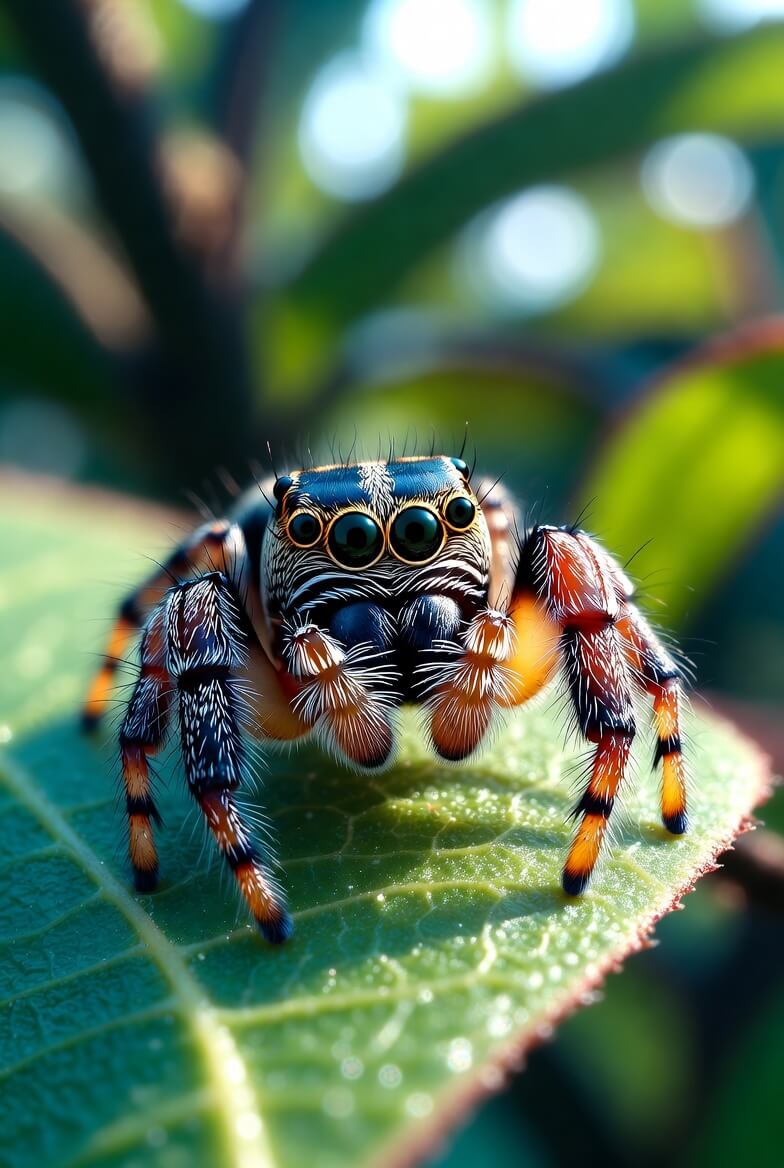
Introduction to Texas Jumping Spider: Facts, Habitat & Behavior Guide
The Texas jumping spider is one of the most fascinating small predators found across the United States. Known for its sharp vision and quick movements, this spider stands out from common web-building species. In fact, many homeowners in Texas and nearby states encounter these spiders in gardens, patios, and even indoors.
Unlike traditional spiders, the Texas jumping spider does not rely on webs to catch prey. Instead, it actively hunts using precision and speed. As a result, it has earned a reputation as a highly intelligent and efficient insect hunter. Additionally, its curious behavior and unique appearance make it popular among spider enthusiasts and even pet owners.
This Texas Jumping Spider: Facts, Habitat & Behavior Guide is designed to help you understand everything about this species. Whether you are curious, concerned, or considering keeping one as a pet, this guide covers all essential aspects in a clear and practical way.
Why the Texas Jumping Spider Is Unique
Several features make this spider different from others commonly found in homes. For example, its large forward-facing eyes give it excellent vision, which is rare among spiders. Therefore, it can track and hunt prey with remarkable accuracy.
- Excellent eyesight compared to most spiders
- Active daytime hunter instead of a web builder
- Compact body with powerful jumping ability
- Curious and responsive behavior around humans
Moreover, many people are surprised to learn that these spiders are generally harmless. Although they may look intimidating at first, they rarely bite and usually avoid human interaction. On the other hand, their presence can actually be beneficial, as they help control unwanted insects naturally.
Growing Interest in the USA
Across the United States, interest in the Texas jumping spider has grown rapidly. This trend is especially noticeable among eco-conscious homeowners. Instead of using chemical pesticides, many prefer natural pest control solutions. As a result, jumping spiders are now seen as helpful allies rather than pests.
- Common in Texas, Arizona, and southern states
- Frequently found in gardens and residential areas
- Increasing popularity as low-maintenance pets
- Widely shared on social media due to their behavior
Additionally, their small size and low risk make them suitable for observation and study. For example, beginners in entomology often start with jumping spiders because they are easy to watch and understand. Therefore, this guide will help you explore their habitat, behavior, and benefits in detail.

What Is a Texas Jumping Spider?
The Texas jumping spider belongs to the Salticidae family, which includes over 6,000 species worldwide. However, species found in Texas are especially known for their adaptability and bold behavior. In this Texas Jumping Spider: Facts,Habitat & Behavior Guide, understanding its classification helps you recognize why it behaves differently from other spiders.
Unlike web-building spiders, jumping spiders are active hunters. Therefore, they rely on strong vision and quick reflexes rather than silk traps. Additionally, their compact bodies and muscular legs allow them to leap several times their body length with precision.
Scientific Classification and Species
Texas is home to several types of jumping spiders, each with slight variations in color and size. For example, the bold jumping spider is one of the most commonly spotted species in the region. As a result, many people refer to it when discussing the Texas jumping spider.
- Family: Salticidae
- Common types: Bold jumping spider, zebra jumping spider
- Scientific traits: Advanced vision and hunting ability
- Distribution: Widely found across southern USA
In fact, these spiders are highly adaptable and can survive in both urban and natural environments. On the other hand, their presence indoors often depends on the availability of prey and shelter.
Physical Characteristics and Appearance
The Texas jumping spider size is relatively small, but its features are very distinct. Typically, adults measure between 5 mm and 15 mm in length. However, their large eyes make them appear bigger and more noticeable.
Key Appearance Traits
- Large forward-facing eyes for depth perception
- Short, stocky body with hairy texture
- Strong legs designed for jumping
- Color variations including black, white, and orange
The Texas jumping spider black variety is especially common and often features white spots on its abdomen. Additionally, the Texas jumping spider black and white pattern makes it easy to identify compared to other spiders.
On the other hand, some species display vibrant colors. For example, the Texas jumping spider orange variation may show bright markings during mating seasons. As a result, these color differences often help distinguish males from females.
Male vs Female Differences
Understanding Texas jumping spider male vs female differences can help with accurate identification. In most cases, males are more colorful and slightly smaller. However, females tend to have a larger body and less vibrant patterns.
- Males: Brighter colors, more active behavior
- Females: Larger size, calmer movement
- Males often display during courtship
- Females focus more on nesting and egg protection
Therefore, observing their size and behavior closely can help you determine their gender. Additionally, these differences play an important role in their mating and survival strategies.
Habitat and Distribution of Texas Jumping Spider in the USA
The Texas jumping spider is widely distributed across the southern United States. Although it is most commonly associated with Texas, it can also be found in nearby states such as Arizona, California, and Florida. As a result, its adaptability allows it to thrive in both natural and urban environments.
In this Texas Jumping Spider: Facts, Habitat & Behavior Guide, understanding its habitat helps explain why you may encounter it inside your home. Unlike many spiders, it does not rely heavily on webs. Instead, it prefers active hunting grounds with plenty of insects.
Where Do Texas Jumping Spiders Live?
Texas jumping spiders prefer warm climates and areas with good lighting. Therefore, they are often seen during the daytime, especially in sunny spots. Additionally, they choose locations that offer both shelter and access to prey.
- Gardens and backyard plants
- Walls, fences, and window frames
- Under rocks, logs, and outdoor furniture
- Inside homes near windows and ceilings
For example, many homeowners notice them near windows where insects gather. As a result, these spiders position themselves strategically to hunt efficiently. On the other hand, they rarely stay in dark, hidden corners like other spider species.
Indoor vs Outdoor Presence
The Texas jumping spider can live both indoors and outdoors. However, its presence indoors is usually temporary. In most cases, it enters homes while searching for food or shelter. Therefore, spotting one inside does not indicate an infestation.
Indoor Habitat
- Window sills and curtains
- Ceiling corners with natural light
- Near indoor plants
Outdoor Habitat
- Garden vegetation and shrubs
- Tree bark and wooden structures
- Patios, decks, and fences
Additionally, these spiders prefer areas where insects are abundant. As a result, they naturally help reduce pest populations around your home.
Seasonal Activity Patterns
The activity of Texas jumping spiders varies throughout the year. In warmer months, they are highly active and easy to spot. However, during colder seasons, their activity slows down significantly.
- Spring and summer: Peak activity and hunting
- Fall: Reduced movement and preparation for colder weather
- Winter: Limited activity, often hidden in sheltered spots
In fact, temperature plays a key role in their behavior. Therefore, in southern states where winters are mild, they may remain active longer than in colder regions.
Overall, their ability to adapt to different environments makes them one of the most commonly encountered spider species in the USA. Additionally, their presence often indicates a healthy ecosystem with balanced insect populations.</p
Behavior and Hunting Style of the Texas Jumping Spider
The Texas jumping spider is known for its active and intelligent behavior. Unlike many spiders that rely on webs, this species hunts its prey directly. Therefore, it uses speed, precision, and excellent vision to capture insects.
In this Texas Jumping Spider: Facts, Habitat & Behavior Guide, understanding its behavior helps explain why it is considered one of the smartest spider types. Additionally, its curious nature often makes it appear more aware of its surroundings than other spiders.
How Texas Jumping Spiders Hunt
Texas jumping spiders do not build webs to trap prey. Instead, they stalk and ambush insects like a small predator. For example, they carefully observe their target before making a quick and accurate jump.
- Spots prey using sharp eyesight
- Slowly approaches the target
- Uses silk as a safety line before jumping
- Leaps and captures prey instantly
As a result, their hunting success rate is quite high. Additionally, their ability to adjust angles and distances makes them extremely efficient hunters. On the other hand, they rarely chase prey over long distances.
Vision and Intelligence
One of the most impressive traits of the Texas jumping spider is its vision. Unlike most spiders, it has large forward-facing eyes that provide depth perception. Therefore, it can judge distances accurately before jumping.
Key Vision Features
- Four pairs of eyes with central focus
- Ability to detect movement quickly
- Strong depth perception for precise jumps
- Capability to track moving objects
In fact, studies suggest that jumping spiders can plan their movements. Additionally, they may even recognize patterns and remember hunting paths. As a result, their behavior is often compared to that of small mammals rather than insects.
Movement and Jumping Ability
The Texas jumping spider size may be small, but its jumping ability is remarkable. Typically, it can jump up to 10 to 50 times its body length. Therefore, it can easily move between surfaces and catch fast-moving prey.
- Uses hydraulic pressure to power jumps
- Attaches silk thread for safety
- Can change direction mid-movement
- Moves quickly but with control
Additionally, their movements appear smooth and calculated rather than random. For example, they often pause before jumping to ensure accuracy. On the other hand, sudden movements may cause them to retreat quickly.
Overall, their behavior combines intelligence, agility, and efficiency. Therefore, the Texas jumping spider stands out as one of the most advanced hunters among small arthropods.
Diet: What Do Texas Jumping Spiders Eat?
The Texas jumping spider is a carnivorous predator that feeds primarily on small insects. Unlike web-building spiders, it actively hunts its food. Therefore, its diet depends on what it can see and capture in its environment.
In this Texas Jumping Spider: Facts, Habitat & Behavior Guide, understanding its diet helps explain its role in natural pest control. Additionally, its feeding habits make it beneficial for homes and gardens across the United States.
Common Prey of Texas Jumping Spiders
Texas jumping spiders are not picky eaters. However, they prefer insects that are easy to spot and catch. For example, flying and crawling insects are common targets due to their availability.
- Flies and houseflies
- Mosquitoes
- Ants and small beetles
- Moths and tiny grasshoppers
As a result, they help reduce the number of annoying and harmful insects. Additionally, their presence can lower the need for chemical pest control. On the other hand, they rarely attack prey that is too large or dangerous.
Hunting and Feeding Process
The feeding process of the Texas jumping spider is quick and efficient. First, it spots its prey using strong vision. Then, it slowly approaches before making a sudden jump to capture it.
Feeding Steps
- Locates prey using eyesight
- Moves closer with slow, controlled steps
- Jumps and injects venom to immobilize prey
- Consumes the liquefied internal contents
Additionally, the venom used is mild and designed to subdue insects. Therefore, it poses little to no threat to humans. In fact, this efficient feeding method allows the spider to consume prey quickly and move on.
Feeding Frequency and Habits
The Texas jumping spider does not need to eat daily. Instead, it feeds based on availability and hunger levels. Therefore, it may go several days without food if prey is scarce.
- Eats every few days depending on prey availability
- More active feeding during warmer months
- May eat multiple small insects in one day
- Slows feeding during colder seasons
For example, in summer, these spiders are highly active and feed more frequently. However, in winter, their metabolism slows down significantly. As a result, they require less food.
Overall, the diet of the Texas jumping spider highlights its importance in maintaining a balanced ecosystem. Additionally, its ability to control pests naturally makes it a valuable presence in both indoor and outdoor environments.
Are Texas Jumping Spiders Dangerous?
Many people feel uneasy when they see a spider. However, the Texas jumping spider is considered one of the safest spider species found in the United States. In fact, it poses very little risk to humans and is generally non-aggressive.
In this Texas Jumping Spider: Facts, Habitat & Behavior Guide, it is important to clear common fears. Additionally, understanding their true nature can help you react calmly when you encounter one in your home or garden.
Do Texas Jumping Spiders Bite?
Yes, Texas jumping spiders can bite, but such cases are extremely rare. Typically, they only bite if they feel trapped or threatened. Therefore, accidental contact is usually the only reason for a bite.
- Bites are uncommon and defensive
- Most spiders prefer to escape rather than attack
- No aggressive chasing behavior toward humans
- Usually avoid direct contact
For example, if you gently move your hand near one, it will likely jump away instead of biting. As a result, they are considered harmless in everyday situations.
Is Their Venom Dangerous?
The venom of the Texas jumping spider is mild and designed to immobilize small insects. Therefore, it is not dangerous to humans. In most cases, a bite feels similar to a mild insect sting.
Possible Symptoms (Rare Cases)
- Minor redness or swelling
- Slight itching or irritation
- Temporary discomfort
Additionally, these symptoms usually disappear within a short time without medical treatment. On the other hand, allergic reactions are extremely rare. However, if unusual symptoms occur, it is always best to consult a healthcare professional.
Why They Are Considered Harmless
The Texas jumping spider is more beneficial than harmful. In fact, it actively helps control pests such as mosquitoes and flies. Therefore, many experts recommend leaving them undisturbed.
- Non-aggressive behavior
- Rarely bites humans
- Provides natural pest control
- Prefers to avoid human interaction
Additionally, their small size and calm nature make them less threatening compared to other spider species. For example, they do not build large webs or invade living spaces in large numbers.
Overall, the Texas jumping spider should not be feared. Instead, it can be seen as a helpful and harmless part of your home environment. Therefore, understanding its behavior can reduce unnecessary concern and promote a more balanced view of these fascinating creatures.
Lifespan and Life Cycle of the Texas Jumping Spider
The Texas jumping spider has a relatively short but fascinating life cycle. Although small in size, it goes through several important stages from egg to adulthood. In this Texas Jumping Spider: Facts, Habitat & Behavior Guide, understanding its lifespan helps explain its behavior and seasonal activity.
Typically, a Texas jumping spider lives for about one to two years. However, lifespan can vary depending on environmental conditions and food availability. Therefore, spiders in warmer climates with abundant prey may live slightly longer.
Life Cycle Stages
The life cycle of the Texas jumping spider includes multiple stages. Each stage plays a key role in its development and survival. Additionally, these stages are similar to most spiders but occur relatively quickly.
- Egg stage
- Spiderling (juvenile) stage
- Subadult stage
- Adult stage
For example, females lay eggs in protected silk sacs. As a result, the eggs remain safe from predators and environmental damage. Once hatched, spiderlings begin exploring their surroundings almost immediately.
Growth and Development
After hatching, young spiders grow through a process called molting. During this stage, they shed their outer skin to allow for growth. Therefore, multiple molts are required before reaching full adulthood.
Growth Characteristics
- Spiderlings resemble smaller versions of adults
- Molting occurs several times during growth
- Color patterns develop gradually
- Hunting skills improve with age
Additionally, access to food plays a major role in growth speed. For instance, spiders with consistent prey sources develop faster and reach maturity sooner. On the other hand, limited food can slow down their development.
Mating and Reproduction
Mating behavior in Texas jumping spiders is both complex and interesting. Males often perform visual displays to attract females. Therefore, their movements and colors become more noticeable during this period.
- Males perform courtship dances
- Females choose mates based on movement and signals
- Egg sacs are carefully protected by females
- Females may guard eggs until they hatch
In fact, the Texas jumping spider male vs female differences are most visible during mating. Males are more active and colorful, while females focus on reproduction and protection. As a result, both roles are essential for the survival of the species.
Overall, the life cycle of the Texas jumping spider is short but highly efficient. Additionally, its ability to grow quickly and reproduce ensures its continued presence in various environments across the United States.
Benefits of the Texas Jumping Spider
The Texas jumping spider offers several benefits that many homeowners often overlook. Although spiders are usually seen as pests, this species plays a valuable role in maintaining a balanced environment. In this Texas Jumping Spider: Facts, Habitat & Behavior Guide, understanding these benefits can change how you view these small predators.
Additionally, their natural hunting ability makes them an eco-friendly solution for controlling unwanted insects. Therefore, instead of eliminating them, many experts recommend allowing them to stay in controlled environments.
Natural Pest Control
One of the biggest advantages of the Texas jumping spider is its ability to control pests. Since it actively hunts insects, it helps reduce populations of common household pests. As a result, it supports a cleaner and healthier living space.
- Reduces mosquitoes and flies
- Controls ants and small insects
- Minimizes the need for chemical pesticides
- Works continuously without human intervention
For example, homeowners in Texas often notice fewer flying insects in areas where these spiders are present. Therefore, they act as a natural and cost-effective pest control method.
Eco-Friendly and Safe Solution
Unlike chemical pest control products, the Texas jumping spider is completely natural. Additionally, it does not release harmful substances into the environment. As a result, it is a safer option for families, pets, and plants.
Environmental Advantages
- No chemical exposure
- No harm to soil or plants
- Safe around children and pets
- Supports biodiversity
On the other hand, overuse of pesticides can harm beneficial insects and disrupt ecosystems. Therefore, relying on natural predators like jumping spiders helps maintain ecological balance.
Educational and Observation Value
The Texas jumping spider is also valuable for learning and observation. Due to its active behavior and visible hunting style, it is easy to study compared to other spiders. Additionally, its curious movements often attract attention.
- Great for beginners in entomology
- Easy to observe during daytime
- Displays unique hunting behavior
- Popular in educational settings
In fact, many schools and hobbyists use jumping spiders to teach about ecosystems and predator behavior. As a result, they help increase awareness and appreciation for small wildlife.
Overall, the Texas jumping spider provides practical, environmental, and educational benefits. Therefore, instead of fearing it, many people now see it as a helpful and fascinating part of their surroundings.
Texas Jumping Spider as a Pet
The Texas jumping spider has become increasingly popular as a pet in the United States. Although spiders are not traditional pets, this species stands out due to its behavior and low maintenance needs. In this Texas Jumping Spider: Facts, Habitat & Behavior Guide, many enthusiasts consider it an ideal beginner-friendly pet.
Additionally, its curious personality and active lifestyle make it more engaging than other small pets. Therefore, it is often chosen by people who want a unique and easy-to-care-for companion.
Why People Keep Texas Jumping Spiders
There are several reasons why the Texas jumping spider is gaining attention among pet owners. For example, its small size and minimal care requirements make it suitable for busy individuals.
- Low maintenance and easy to care for
- Requires very little space
- Active and interesting to watch
- Does not produce odor or noise
As a result, it is often recommended for beginners who are new to keeping exotic pets. On the other hand, those expecting interaction like traditional pets may need to adjust their expectations.
Basic Care Requirements
Although the Texas jumping spider is easy to maintain, it still requires proper care. Therefore, setting up a suitable environment is important for its health and well-being.
Essential Care Tips
- Use a small ventilated enclosure
- Provide natural light but avoid direct heat
- Feed live insects such as flies or small crickets
- Maintain a clean and dry habitat
Additionally, regular feeding and occasional misting can help maintain hydration. For example, a light water spray once or twice a week is usually enough. As a result, the spider remains active and healthy.
Pros and Cons of Keeping One
Like any pet, the Texas jumping spider has both advantages and limitations. Therefore, understanding these factors can help you decide if it is the right choice.
- Pros: Easy care, low cost, fascinating behavior
- Pros: No need for large space or expensive equipment
- Cons: Short lifespan compared to other pets
- Cons: Limited physical interaction
In fact, many owners appreciate the simplicity of caring for this spider. However, others may prefer pets that offer more interaction. Therefore, your expectations play a key role in your experience.
Overall, the Texas jumping spider is a unique and rewarding pet for the right person. Additionally, its low maintenance and interesting behavior make it a standout choice among small exotic pets.
How to Identify a Texas Jumping Spider
Identifying a Texas jumping spider can be easy once you know what to look for. Although many small spiders may appear similar, this species has distinct features that set it apart. In this Texas Jumping Spider: Facts, Habitat & Behavior Guide, proper identification helps you avoid confusion with other harmless or potentially harmful spiders.
Additionally, understanding its appearance allows you to recognize its benefits rather than fear it. Therefore, learning these visual traits is useful for homeowners and nature enthusiasts alike.
Key Physical Identification Features
The Texas jumping spider size is one of the first things you may notice. Typically, it ranges between 5 mm and 15 mm. However, its bold features make it appear larger than it actually is.
- Large forward-facing eyes for sharp vision
- Compact, stocky body structure
- Short legs designed for jumping
- Hairy texture with noticeable patterns
For example, the Texas jumping spider black type often has white spots or stripes. As a result, it is commonly referred to as a black and white jumping spider. Additionally, this pattern helps distinguish it from smoother-bodied spider species.
Color Variations and Patterns
Color plays a major role in identifying different types of Texas jumping spiders. While some are darker, others display brighter tones. Therefore, observing color patterns can provide important clues.
Common Color Types
- Texas jumping spider black with white markings
- Texas jumping spider black and white striped patterns
- Texas jumping spider orange with vibrant accents
- Mixed tones depending on species and age
Additionally, lighting conditions can affect how these colors appear. For instance, sunlight may highlight patterns that are less visible indoors. As a result, outdoor observation often provides clearer identification.
Male vs Female Identification
Recognizing Texas jumping spider male vs female differences can further improve identification accuracy. In most cases, males are more colorful and active. On the other hand, females tend to be slightly larger and less vibrant.
- Males: Brighter colors and more movement
- Females: Larger body and subtle patterns
- Males display during courtship
- Females often stay near nesting areas
In fact, these differences become more noticeable during mating seasons. Therefore, observing behavior along with appearance can help confirm identification.
Common Look-Alike Species
Some spiders may look similar to the Texas jumping spider at first glance. However, careful observation can reveal clear differences. Additionally, jumping spiders move differently compared to web-building species.
- Wolf spiders (larger and faster runners)
- Orb-weaver spiders (build large webs)
- Crab spiders (sideways movement)
As a result, behavior is often the easiest way to tell them apart. For example, jumping spiders move in short bursts and frequently pause. Therefore, their unique movement pattern is a strong identification clue.
Overall, identifying a Texas jumping spider becomes simple with practice. Additionally, recognizing its features helps you appreciate its role rather than mistake it for a harmful species.
Texas Jumping Spider vs Other Common Spiders
Many people confuse the Texas jumping spider with other common household spiders. However, each species has different behaviors, risks, and benefits. In this Texas Jumping Spider: Facts, Habitat & Behavior Guide, comparing it with other spiders helps you understand why it stands out.
Additionally, this comparison highlights why the Texas jumping spider is often preferred for natural pest control. Therefore, knowing these differences can help you make better decisions about pest management.
Comparison Table
| Feature | Texas Jumping Spider | Wolf Spider | Orb-Weaver Spider |
|---|---|---|---|
| Hunting Style | Active hunter (no web) | Ground hunter | Uses large webs |
| Danger Level | Harmless | Mildly venomous | Harmless |
| Size | Small (5–15 mm) | Medium to large | Medium |
| Behavior | Curious and active | Fast and shy | Stationary |
| Human Interaction | Avoids humans | May bite if threatened | Rare contact |
| Pest Control Value | High | Moderate | Moderate |
Why Texas Jumping Spider Is a Better Choice
The Texas jumping spider offers several advantages compared to other spiders. For example, it does not build messy webs, which many homeowners dislike. As a result, it keeps your space clean while still controlling pests.
- No web clutter in living spaces
- Highly effective at catching insects
- Non-aggressive and safe around humans
- Active during the day, easy to observe
Additionally, its small size makes it less intimidating than larger spiders like wolf spiders. On the other hand, orb-weaver spiders may create large webs that can be inconvenient in homes and gardens.
When Other Spiders Might Be Useful
Although the Texas jumping spider has many benefits, other spiders also play important roles. Therefore, it is important to understand their value as well.
- Wolf spiders help control ground insects
- Orb-weavers trap flying insects in webs
- Different species support ecosystem balance
However, the Texas jumping spider remains one of the most user-friendly species. In fact, its combination of safety, efficiency, and behavior makes it ideal for residential environments.
Overall, when compared to other spiders, the Texas jumping spider stands out as a clean, safe, and highly effective natural pest controller. Therefore, it is often the preferred choice for homeowners looking for eco-friendly solutions.
”
Pros and Cons of the Texas Jumping Spider
Understanding the advantages and limitations of the Texas jumping spider can help you make an informed decision. While it offers many benefits, it may not be suitable for everyone. In this Texas Jumping Spider: Facts, Habitat & Behavior Guide, we break down the key pros and cons in a clear and practical way.
Additionally, this section is especially helpful for homeowners and potential pet owners. Therefore, reviewing these points can help you decide whether to keep, tolerate, or remove them.
Pros of Texas Jumping Spider
The Texas jumping spider is widely appreciated for its positive impact on homes and gardens. In fact, many experts recommend leaving them undisturbed due to their usefulness.
- Provides natural pest control by eating insects
- Does not build messy webs indoors
- Non-aggressive and rarely bites humans
- Small size makes it less intimidating
- Eco-friendly alternative to chemical pesticides
- Easy to care for as a low-maintenance pet
For example, homeowners in the USA often notice fewer mosquitoes and flies when these spiders are present. As a result, they reduce the need for sprays and chemical treatments.
Cons of Texas Jumping Spider
Despite its benefits, the Texas jumping spider may not appeal to everyone. Therefore, it is important to consider its limitations before deciding how to handle it.
- Short lifespan compared to traditional pets
- Limited interaction and handling
- May cause fear for people with arachnophobia
- Requires live insects for feeding
- Occasionally enters homes unexpectedly
Additionally, some people may feel uncomfortable with any type of spider indoors. On the other hand, those who appreciate natural pest control often see this as a minor concern.
Balanced Perspective
The Texas jumping spider offers more benefits than drawbacks in most situations. However, personal preference plays a major role in how it is perceived. Therefore, understanding both sides helps you make a balanced decision.
- Best for eco-conscious homeowners
- Ideal for those interested in small exotic pets
- Less suitable for individuals with strong spider fears
- Useful in both indoor and outdoor environments
In fact, many people change their opinion after learning about its harmless nature. As a result, they begin to see it as a helpful presence rather than a threat.
Overall, the Texas jumping spider is a beneficial and low-risk species. Therefore, for most households, its advantages clearly outweigh its limitations.
Customer Testimonial Highlights
Real experiences from homeowners and pet enthusiasts across the United States highlight the true value of the Texas jumping spider. In this Texas Jumping Spider: Facts, Habitat & Behavior Guide, these testimonials provide practical insights based on real-life situations.
Additionally, these stories help build trust and show how people benefit from having these spiders around. Therefore, if you are unsure about them, these experiences can offer reassurance.
Homeowners Using Natural Pest Control
Many homeowners have noticed a clear reduction in insects after allowing Texas jumping spiders to stay in their homes. For example, people living in Texas and Arizona often report fewer mosquitoes and flies.
- “I stopped using sprays, and the insects decreased naturally.”
- “They stay near windows and catch flies all day.”
- “I rarely see mosquitoes in my house now.”
As a result, these spiders are seen as an effective and chemical-free pest control solution. Additionally, homeowners appreciate not having to deal with harmful pesticides.
Pet Owners Sharing Their Experience
Pet owners also find the Texas jumping spider to be a unique and rewarding companion. Although it is not interactive like traditional pets, it offers a different kind of engagement.
- “It’s fascinating to watch it hunt and explore.”
- “Very easy to care for compared to other pets.”
- “Perfect for small spaces and busy schedules.”
In fact, many beginners start with jumping spiders because they require minimal setup. Therefore, they are often recommended as a first exotic pet.
Changing Perceptions About Spiders
Interestingly, several people have overcome their fear of spiders after observing the Texas jumping spider. Its small size and calm behavior make it less intimidating.
- “I used to be scared, but now I find them interesting.”
- “They don’t act aggressive at all.”
- “Watching them changed my perspective completely.”
Additionally, these experiences highlight the importance of understanding rather than fearing wildlife. As a result, more people are learning to appreciate their role in the ecosystem.
Overall Customer Satisfaction
Overall, feedback about the Texas jumping spider is overwhelmingly positive. Most users appreciate its benefits, especially in pest control and ease of care.
- High satisfaction among homeowners
- Growing popularity among pet enthusiasts
- Positive impact on indoor environments
- Increased awareness and appreciation
Therefore, real-world experiences confirm that the Texas jumping spider is both helpful and fascinating. Additionally, these testimonials reinforce its reputation as a safe and beneficial species.
Take Action: Make the Most of the Texas Jumping Spider
Now that you understand the benefits and behavior of this species, it is time to decide how to respond when you encounter one. The Texas jumping spider is not just harmless. In fact, it can actively improve your environment by reducing pests naturally.
Additionally, choosing a natural solution over chemicals can protect your home, family, and pets. Therefore, instead of removing these spiders, consider allowing them to do their job.
What You Can Do Next
- Allow them to stay in gardens and outdoor spaces
- Avoid using chemical sprays that harm beneficial insects
- Observe their behavior to better understand their role
- Consider keeping one as a low-maintenance pet
For example, many homeowners across the USA have reduced insect problems simply by letting these spiders thrive. As a result, they save money and avoid harmful chemicals.
If you are looking for a safe, eco-friendly, and effective pest control solution, the Texas jumping spider is a smart choice. Therefore, start appreciating its presence and use it to your advantage.
Conclusion: Texas Jumping Spider: Facts, Habitat & Behavior Guide
The Texas jumping spider stands out as one of the most fascinating and beneficial spider species in the United States. Throughout this Texas Jumping Spider: Facts, Habitat & Behavior Guide, we explored its behavior, habitat, diet, and advantages in detail.
Unlike many other spiders, it does not rely on webs. Instead, it actively hunts pests with precision and intelligence. As a result, it plays an important role in maintaining a balanced environment.
Additionally, its harmless nature makes it safe for homes and families. Therefore, instead of fearing it, you can see it as a helpful presence. Whether you encounter one in your garden or consider it as a pet, it offers both practical and educational value.
Overall, the Texas jumping spider is not a threat but a natural ally. By understanding its role, you can make smarter and more eco-friendly decisions for your home.
FAQs About Texas Jumping Spider
1. Are Texas jumping spiders dangerous to humans?
No, they are not dangerous. Their venom is mild and designed for insects. Additionally, they rarely bite unless threatened.
2. What is the Texas jumping spider size?
The Texas jumping spider size typically ranges from 5 mm to 15 mm. However, their large eyes make them appear bigger.
3. Can Texas jumping spiders live indoors?
Yes, they can live indoors temporarily. However, they usually stay where food is available, such as near windows or plants.
4. What do Texas jumping spiders eat?
They eat small insects like flies, mosquitoes, ants, and beetles. Therefore, they help control pests naturally.
5. How to identify a Texas jumping spider?
Look for large front-facing eyes, a compact body, and black or black and white patterns. Additionally, some may show orange markings.
6. What is the difference between Texas jumping spider male vs female?
Males are usually smaller and more colorful. On the other hand, females are larger and focus more on nesting.
7. Are Texas jumping spiders good pets?
Yes, they are low-maintenance and easy to care for. However, they have a short lifespan and limited interaction.
