
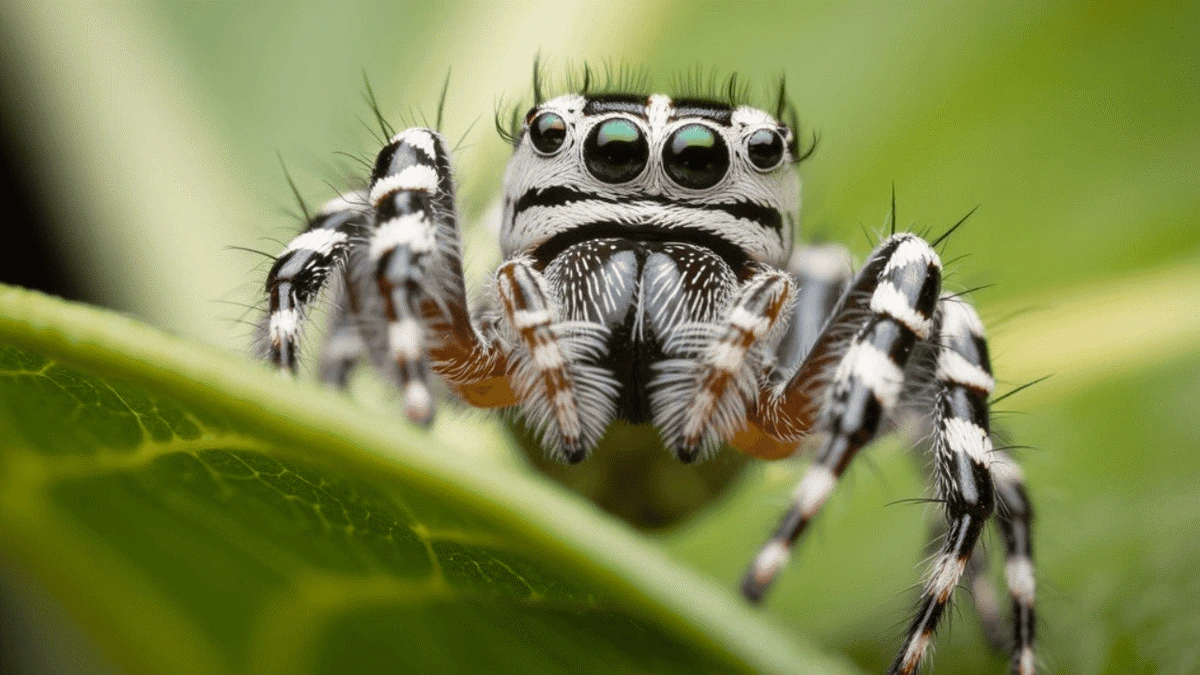
Introduction to Zebra Jumping Spider
The Zebra Jumping Spider is one of the most visually striking and intelligent arachnids found in North America, especially across the USA. Known for its bold striped pattern and active hunting behavior, this species has gained popularity among beginner exotic pet keepers and spider enthusiasts.
In recent years, the Zebra Jumping Spider has become a trending choice for hobbyists due to its small size, easy care requirements, and highly engaging personality. Additionally, it offers a unique opportunity to observe natural hunting behavior up close, which makes it both educational and fascinating.
Unlike many other spider species, the Zebra Jumping Spider does not rely on webs to catch prey. Instead, it uses sharp vision and precise jumping ability to actively hunt insects. As a result, it is considered one of the most intelligent and visually responsive spiders in the Salticidae family.
In this guide, we will explore everything you need to know about the Zebra Jumping Spider, including its habitat, diet, behavior, and care requirements. Additionally, you will learn how it survives in the wild and how to properly care for it in captivity as a pet.
Whether you are a beginner in the USA or a curious nature lover, this guide will provide clear, practical, and expert-level information to help you understand this fascinating species in detail.
What Is a Zebra Jumping Spider?
The Zebra Jumping Spider is a small but highly active arachnid belonging to the Salticidae family. In the USA, it is widely recognized for its striped black-and-white body pattern, which gives it a zebra-like appearance. This unique look makes it one of the most visually distinct jumping spider species.
Additionally, the Zebra Jumping Spider is known for its excellent vision and intelligent behavior. It does not build webs for hunting. Instead, it relies on its advanced eyesight and precise jumping ability to capture prey. As a result, it is considered one of the most efficient small predators in its ecosystem.
Unlike many other spiders, this species is curious and highly responsive to movement. For example, it often turns toward objects or shadows, showing strong visual tracking ability. Therefore, it is frequently described as “interactive” by spider enthusiasts in the USA.
The Zebra Jumping Spider size is relatively small, making it easy to observe but difficult to spot in the wild. However, its bold stripes help it stand out when seen up close. Additionally, females are usually slightly larger and more robust than males, especially during maturity.
Key Identification Features
- Distinct black and white striped body pattern
- Compact and small body size
- Large forward-facing eyes for hunting
- Active daytime movement
- Quick jumping ability for prey capture
On the other hand, despite its bold appearance, the Zebra Jumping Spider is not dangerous to humans. It avoids confrontation and prefers to escape when disturbed. Therefore, it is considered safe for observation and beginner-friendly pet keeping.
In fact, its combination of intelligence, appearance, and behavior makes it one of the most interesting spiders found in North America. As a result, it is becoming increasingly popular among hobbyists and educators in the USA.
Zebra Jumping Spider Habitat in the Wild
The Zebra Jumping Spider habitat is widely distributed across North America, especially in the United States. This species is highly adaptable and can survive in a variety of environments. As a result, it is commonly found in both rural and urban areas.
Additionally, this spider prefers warm, moderately humid conditions where small insects are abundant. It is often seen in gardens, fields, forests, and even around residential buildings. Therefore, it is one of the most commonly encountered jumping spiders in the USA.
Unlike web-building spiders, the Zebra Jumping Spider does not depend on webs for survival. Instead, it actively searches for prey in open spaces. For example, it can often be spotted on walls, leaves, fences, and outdoor furniture where insects are available.
Common Locations in the USA
- Backyard gardens and plants
- Wooden fences and house walls
- Grasslands and open fields
- Forested areas with bark and leaves
- Urban parks and suburban environments
Moreover, its adaptability allows it to live close to human activity without any issues. In fact, many sightings in the USA occur in residential areas where insect populations are high.
Environmental Preferences
The Zebra Jumping Spider thrives in environments that support hunting and movement. Therefore, it prefers areas with good lighting and active insect populations. Additionally, it avoids extremely cold or overly dry regions.
On the other hand, its survival ability is enhanced by its excellent vision and quick reflexes. As a result, it can easily adjust to changing surroundings, making it one of the most successful small predators in its ecosystem.
Understanding the Zebra Jumping Spider habitat is important for proper care in captivity. Therefore, replicating similar environmental conditions helps maintain its health, activity, and natural behavior when kept as a pet.
Zebra Jumping Spider Behavior and Activity
The Zebra Jumping Spider is known for its highly active and intelligent behavior. Unlike many spider species, it does not remain still for long periods. Instead, it constantly explores its surroundings using sharp vision and quick movement.
Additionally, this species is diurnal, which means it is active during the day. In the USA, it is often observed hunting, climbing, or investigating objects in gardens and outdoor spaces. As a result, it is considered one of the most visually engaging spiders for observation.
Intelligent Hunting Style
The Zebra Jumping Spider relies on vision rather than webs to hunt. For example, it carefully studies its target before making a precise jump. This method requires calculation and timing, which shows a high level of natural intelligence for such a small arachnid.
- Uses forward-facing eyes to track prey
- Stalks insects slowly before jumping
- Uses silk thread for safety during jumps
- Can adjust movement based on prey behavior
Therefore, its hunting behavior is not random but highly controlled and strategic. In fact, many researchers consider jumping spiders among the most intelligent arthropods.
Curious and Responsive Nature
On the other hand, the Zebra Jumping Spider is also very curious. It often turns toward movement, light, or shadows. For example, when a human approaches, it may observe rather than immediately escape.
However, it does not form emotional bonds like mammals. Instead, its behavior is driven by instinct and visual stimulation. As a result, it may appear interactive, especially in controlled environments.
Temperament in Captivity
In captivity, the Zebra Jumping Spider remains calm when properly cared for. Additionally, it becomes more active when its enclosure is clean, properly humidified, and filled with hiding spots.
Therefore, stable conditions are essential for maintaining healthy behavior. On the other hand, stress can cause hiding or reduced movement, which indicates that the environment needs adjustment.
Overall, the Zebra Jumping Spider behavior makes it one of the most fascinating and beginner-friendly species for observation in the USA.
Zebra Jumping Spider Diet and Feeding Habits
The Zebra Jumping Spider has a simple but highly effective diet that plays an important role in its survival. In the USA, this species is commonly observed feeding on small insects in gardens, walls, and open outdoor spaces. Its diet mainly depends on what is available in its environment.
Additionally, the Zebra Jumping Spider diet is entirely carnivorous. It does not consume plants or organic matter. Instead, it actively hunts live prey using its sharp vision and precise jumping ability. As a result, it is considered a natural pest controller in many ecosystems.
What Do Zebra Jumping Spiders Eat?
- Small flies and gnats
- Moths and tiny butterflies
- Ants and beetles
- Fruit flies and small insects
- Occasionally other tiny arthropods
For example, in USA homes and gardens, they often catch insects attracted to light or plants. Additionally, they may stalk prey resting on surfaces such as walls or leaves.
Hunting and Feeding Behavior
Unlike web-building spiders, the Zebra Jumping Spider actively searches for food. It carefully observes movement before attacking. Therefore, it relies on patience and precision rather than trapping prey in webs.
On the other hand, it uses silk threads as a safety line during jumps. This helps prevent falls while hunting in elevated areas. As a result, it can safely attack prey even from unstable surfaces.
Feeding in Captivity
In captivity, the Zebra Jumping Spider diet should closely match its natural feeding habits. For instance, small live insects like fruit flies or pinhead crickets are commonly used. Additionally, prey size should always be smaller than the spider itself.
- Feed every 2–3 days for adults
- Feed every 1–2 days for juveniles
- Always use live prey for stimulation
- Avoid overfeeding to maintain activity
Therefore, proper feeding ensures healthy growth, active behavior, and longer lifespan. In fact, a well-fed Zebra Jumping Spider is more active, curious, and visually engaging in captivity.
Zebra Jumping Spider as a Pet
The Zebra Jumping Spider has become a popular exotic pet in the USA due to its small size, unique appearance, and engaging behavior. Many beginners choose this species because it requires minimal space and relatively simple care compared to other arachnids.
Additionally, the Zebra Jumping Spider pet is ideal for people who want an interesting observation pet rather than a handling pet. It is active, visually responsive, and easy to maintain when its basic needs are properly understood.
Why It Is Popular in the USA
In recent years, interest in jumping spiders has grown significantly across the United States. For example, hobbyists and educators often recommend the Zebra Jumping Spider because it helps people learn about insect behavior in a practical way.
- Small and space-friendly enclosure needs
- Low maintenance feeding routine
- Highly active and entertaining to observe
- Widely available in North America
- Beginner-friendly care requirements
Therefore, it is often considered one of the best starter species for new spider keepers.
Handling Expectations
On the other hand, the Zebra Jumping Spider is not a traditional “handling pet.” While it may tolerate occasional interaction, it is primarily a visual pet. As a result, frequent handling is not recommended.
Additionally, stress can occur if the spider is frequently disturbed. Therefore, it is best enjoyed through observation rather than physical interaction. This approach ensures better health and longer lifespan.
Care Difficulty Level
The care level of a Zebra Jumping Spider is considered easy. However, it still requires attention to detail. For example, proper temperature, humidity, and feeding schedule must be maintained consistently.
On the other hand, beginners in the USA often find it manageable once they understand its basic requirements. As a result, it is widely recommended as a first exotic arachnid pet.
In conclusion, the Zebra Jumping Spider pet offers a unique combination of simplicity, beauty, and natural behavior, making it an excellent choice for beginner keepers.
Zebra Jumping Spider Enclosure and Care Guide
Proper enclosure setup is essential for maintaining a healthy Zebra Jumping Spider in captivity. In the USA, many beginners successfully keep this species because it requires a simple but well-structured environment. However, the setup must still replicate its natural habitat conditions as closely as possible.
Additionally, the Zebra Jumping Spider prefers a vertical and enriched space where it can climb, explore, and hunt. Therefore, tall enclosures with good ventilation are more suitable than wide containers.
Ideal Enclosure Setup
A properly designed enclosure ensures comfort and reduces stress. For example:
- Size: Small terrarium (around 4x4x6 inches)
- Material: Acrylic or glass container
- Ventilation: Air holes or mesh panels
- Security: Tight lid to prevent escape
On the other hand, overly large enclosures may make it difficult for the spider to locate food. As a result, compact spaces are recommended for beginners.
Substrate and Decoration
The Zebra Jumping Spider habitat should include simple natural elements. For instance, a light layer of substrate such as coconut fiber can be used. Additionally, decorations help simulate a natural environment.
- Small twigs and branches for climbing
- Artificial or live plants for cover
- Bark pieces for hiding spots
- Small cork or shelter tubes
Therefore, enrichment is important for reducing stress and encouraging natural behavior.
Temperature and Humidity
The Zebra Jumping Spider thrives in moderate conditions. In most USA households, room temperature is usually suitable. However, extreme cold or heat should be avoided.
Additionally, light misting once or twice a week helps maintain humidity and provides drinking water droplets. As a result, the spider stays hydrated without the need for standing water.
Maintenance and Cleaning
Regular maintenance is important for long-term care. For example, uneaten prey should be removed quickly to prevent mold or stress. Additionally, the enclosure should be cleaned periodically to maintain hygiene.
Therefore, a clean and stable environment ensures better health, activity, and lifespan for the Zebra Jumping Spider.
Zebra Jumping Spider Pros and Cons
Before choosing a Zebra Jumping Spider as a pet, it is important to understand both its advantages and limitations. In the USA, this species is widely recommended for beginners, but like any living creature, it has specific care needs and behavioral traits.
Additionally, reviewing its pros and cons helps set realistic expectations. As a result, you can provide better care and avoid common mistakes made by first-time keepers.
Advantages of Zebra Jumping Spider
The Zebra Jumping Spider offers several benefits that make it popular among exotic pet enthusiasts. For example:
- Easy to care for and beginner-friendly
- Requires very small enclosure space
- Highly active and visually engaging
- Simple feeding routine with live insects
- Commonly found in the USA, easy to study and observe
Additionally, its unique striped appearance and intelligent behavior make it one of the most interesting spiders to watch. Therefore, it is often used for educational purposes as well.
Disadvantages of Zebra Jumping Spider
On the other hand, there are a few limitations to consider. For instance:
- Short lifespan compared to other exotic pets
- Not suitable for frequent handling
- Requires live food for proper feeding behavior
- Small size can make it difficult to observe for some users
Moreover, beginners may initially feel uncomfortable caring for spiders. However, this usually improves once they understand its calm and non-aggressive nature.
Balanced Overview
In fact, the Zebra Jumping Spider is best suited for people who enjoy observation-based pets rather than interactive handling pets. Therefore, it is ideal for hobbyists, students, and nature enthusiasts in the USA.
As a result, it provides a unique combination of simplicity, beauty, and educational value, making it one of the most recommended beginner spiders available today.
Zebra Jumping Spider vs Other Jumping Spider Species
When choosing a beginner-friendly spider pet in the USA, many enthusiasts compare the Zebra Jumping Spider with other popular jumping spider species. Each species has unique traits, but the Zebra Jumping Spider stands out due to its striped appearance and balanced temperament.
Additionally, understanding these differences helps beginners select the right species based on care level, behavior, and interaction style. Therefore, this comparison focuses on the most important factors for new keepers.
Comparison Table
| Feature | Zebra Jumping Spider | Bold Jumping Spider | Regal Jumping Spider |
|---|---|---|---|
| Size | Small (varies by sex) | Small to medium | Medium |
| Appearance | Black and white striped body | Black with white/orange spots | Colorful metallic green/blue tones |
| Behavior | Curious and active | Highly intelligent and bold | Calm but alert |
| Care Level | Easy | Easy | Moderate |
| Interaction | Visual only | Highly responsive | Less interactive |
Key Differences
The Zebra Jumping Spider is often preferred for its unique striped pattern and consistent activity level. However, the Bold Jumping Spider is considered slightly more interactive due to its stronger response to movement.
On the other hand, the Regal Jumping Spider is more colorful but may require slightly more controlled care conditions. As a result, it is often chosen by intermediate hobbyists.
Which One Is Best for Beginners?
For beginners in the USA, the Zebra Jumping Spider is an excellent starting point. It is easy to care for, visually interesting, and widely available in natural environments.
Additionally, its behavior is predictable and easy to observe, making it ideal for learning basic spider care. Therefore, it is often recommended as a first exotic spider pet before exploring other species.
In conclusion, while all jumping spiders share similar traits, the Zebra Jumping Spider offers a balanced combination of simplicity, beauty, and accessibility.
Customer Testimonial Highlights
Many spider enthusiasts in the USA have shared positive experiences about keeping the Zebra Jumping Spider as a pet. Their feedback highlights its unique behavior, easy care requirements, and visual appeal.
Additionally, these real-world experiences help new keepers understand what to expect. As a result, the Zebra Jumping Spider continues to gain popularity among beginner exotic pet owners.
What Owners Say
- “The Zebra Jumping Spider is surprisingly active and fun to watch every day.”
- “It’s very easy to care for, even for someone who has never kept a spider before.”
- “I love how it reacts to movement. It feels more interactive than I expected.”
- “Perfect beginner pet. Small, low maintenance, and very interesting behavior.”
Common Positive Experiences
In fact, most owners in the USA report similar benefits. For example, they often mention how easy it is to maintain a proper feeding and care routine. Additionally, its calm and predictable nature makes it less intimidating for beginners.
On the other hand, some users initially feel unsure about keeping spiders. However, after observing the Zebra Jumping Spider’s behavior, they often become more comfortable and interested in learning about arachnids.
Why Beginners Recommend It
The Zebra Jumping Spider is frequently recommended in the exotic pet community due to its balance of simplicity and engagement. Therefore, it is often used as an introduction species for people new to spider keeping.
Additionally, its small size and low maintenance requirements make it suitable for educational purposes. As a result, it is commonly suggested for students, hobbyists, and first-time keepers across the USA.
Start Your Zebra Jumping Spider Journey Today
If you are interested in keeping a Zebra Jumping Spider, now is the perfect time to start. This species is one of the easiest and most fascinating spiders to care for in the USA, especially for beginners.
Additionally, its small size, simple diet, and engaging behavior make it an ideal choice for anyone exploring exotic pet keeping. Therefore, you can begin with minimal setup and still enjoy a highly interactive experience.
Understanding the Zebra Jumping Spider habitat, diet, and behavior is the key to successful care. As a result, you will be able to create a safe and natural environment that supports its health and activity.
Moreover, this spider offers a unique opportunity to observe real hunting behavior up close. In fact, many hobbyists find it both educational and relaxing to watch daily.
Therefore, if you are ready to explore the world of jumping spiders, the Zebra Jumping Spider is an excellent starting point. Apply the knowledge from this guide and build a proper care setup today.
Conclusion
The Zebra Jumping Spider is one of the most fascinating and beginner-friendly spider species found across the USA. Its unique striped appearance, active behavior, and simple care requirements make it an excellent choice for new exotic pet enthusiasts.
Additionally, understanding the Zebra Jumping Spider habitat, diet, and behavior is essential for providing proper care in captivity. When its natural needs are met through a well-designed enclosure and consistent feeding routine, it remains healthy, active, and highly engaging to observe.
On the other hand, while it is easy to care for, it is best suited for observation rather than handling. Therefore, it is ideal for people who enjoy watching natural hunting behavior and learning about insect life in a practical way.
In fact, many hobbyists in the USA choose this species as their first step into the world of exotic arachnids. As a result, it offers both educational value and a rewarding experience for beginners.
Therefore, if you are looking for a low-maintenance, visually interesting, and beginner-friendly spider, the Zebra Jumping Spider is a perfect choice. With the right care and understanding, it can become a truly fascinating addition to your learning journey.
Frequently Asked Questions (FAQs)
1. What is a Zebra Jumping Spider?
The Zebra Jumping Spider is a small, active spider species known for its black and white striped pattern. It is commonly found in the USA and is popular among beginner spider keepers.
2. What is the Zebra Jumping Spider size?
The Zebra Jumping Spider size is small, usually ranging from a few millimeters to around 1 centimeter depending on age and gender. Females are often slightly larger than males.
3. Are Zebra Jumping Spiders poisonous?
No, Zebra Jumping Spiders are not poisonous to humans. They may bite only if threatened, but their bite is harmless and typically causes mild irritation at most.
4. What is the Zebra Jumping Spider lifespan?
The Zebra Jumping Spider lifespan is relatively short compared to other pets. On average, they live several months to about a year depending on care and environment.
5. Can Zebra Jumping Spiders be kept as pets?
Yes, the Zebra Jumping Spider is considered a beginner-friendly pet in the USA. It requires a small enclosure, simple feeding routine, and minimal maintenance.
6. Where do Zebra Jumping Spiders live?
The Zebra Jumping Spider habitat includes gardens, walls, fences, forests, and urban areas across the United States where small insects are available for food.
7. Do Zebra Jumping Spiders bite humans?
Zebra Jumping Spiders rarely bite humans. If they do, it is usually due to stress or feeling threatened. Their bite is not dangerous and has no serious medical effects.
