
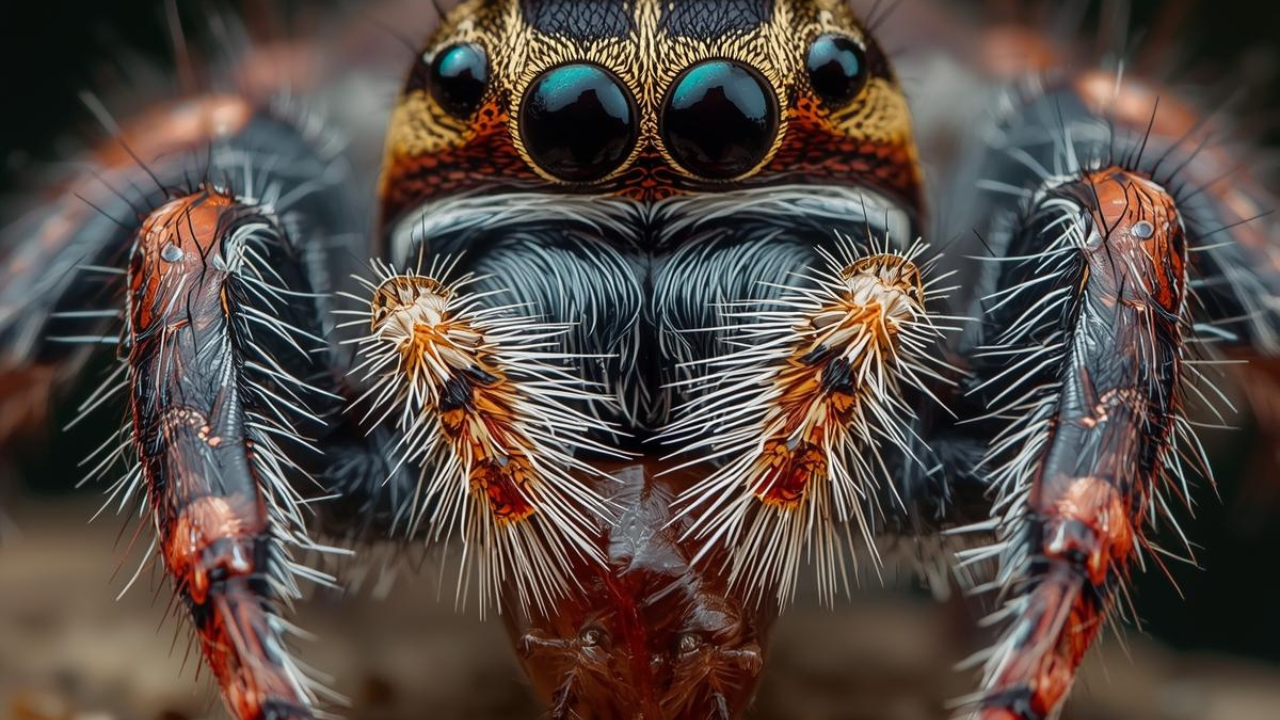
Introduction to Jumping Spider Food and Healthy Diet
Understanding Jumping Spider Food is essential for keeping these small predators healthy, active, and strong. In fact, diet plays a major role in their growth, energy levels, and hunting behavior. Additionally, many spider owners in the USA often struggle with choosing the right food for their pets.
Therefore, this guide explains everything in a simple and practical way. For example, you will learn what they eat, how often to feed them, and which foods to avoid. As a result, you can maintain a healthy feeding routine with confidence.
In fact, jumping spiders are natural hunters. They rely on live insects for nutrition. However, in captivity, you must carefully choose safe and nutritious food options to support their strength and survival.
Why Diet Matters for Jumping Spiders
Additionally, proper nutrition directly impacts their activity and lifespan. A poor diet can lead to low energy and weak hunting behavior. Therefore, feeding them correctly is extremely important.
- Supports strong hunting behavior
- Improves energy and movement
- Helps healthy growth and development
- Extends lifespan in captivity
Next, we will explore what jumping spiders actually eat in the wild and how their natural diet works.
What Do Jumping Spiders Eat in Nature
In the wild, Jumping Spider Food mainly consists of live insects that they actively hunt. In fact, these spiders are skilled predators with excellent vision and quick reflexes. Additionally, they do not rely on webs but instead chase and capture prey.
Therefore, understanding their natural diet helps you replicate it in captivity. However, their food choices depend on size, habitat, and availability of insects in the environment.
Common Natural Prey
For example, jumping spiders prefer small and easy-to-catch insects. As a result, they choose prey that matches their body size.
- Flies and fruit flies
- Small moths
- Crickets (juvenile or small size)
- Grasshoppers (young stages)
- Other tiny spiders or insects
In fact, they use their excellent eyesight to track movement before jumping on prey quickly. Therefore, motion is a key trigger for feeding behavior.
Hunting Behavior Explained
On the other hand, jumping spiders are not passive feeders. They actively stalk and jump on prey with precision. Additionally, they can adjust their strategy based on prey size.
- Use vision to detect movement
- Slowly stalk before attacking
- Jump several times their body length
- Inject venom to immobilize prey
As a result, their natural diet is high in protein, which helps maintain strength and agility.
Next, we will look at the best food options for pet jumping spiders and how to feed them safely in captivity.
Best Jumping Spider Food for Captive Care
Choosing the right Jumping Spider Food in captivity is essential for maintaining health, strength, and activity. In fact, pet jumping spiders depend fully on the owner for nutrition. Additionally, offering the correct live food improves hunting instincts and survival behavior.
Therefore, selecting safe, small, and nutritious insects is the key to proper care. However, food size should always match the spider’s body size to avoid stress or injury.
Safe and Healthy Food Options
For example, the best foods are small, soft-bodied insects that are easy to catch and digest. As a result, they closely match their natural diet.
- Fruit flies (ideal for baby jumping spiders)
- Pinhead crickets
- Small house flies
- Moths and tiny beetles
- Small mealworms (occasional feeding)
In fact, fruit flies are the most commonly used food for young spiders in the USA due to their size and availability.
Can Jumping Spiders Eat Dead Insects?
On the other hand, jumping spiders prefer live prey. However, in some cases, they may accept freshly killed insects if they are moving slightly. Additionally, most spiders respond only to motion.
- Live insects are strongly preferred
- Fresh dead insects may be accepted rarely
- Motion is required to trigger feeding
- Stale food is usually ignored
Can Jumping Spiders Eat Ants or Fruit?
In fact, ants are generally not recommended because they can defend themselves and harm the spider. Additionally, fruit is not part of their diet because they are strict carnivores.
- Ants may be aggressive or toxic
- Fruit is not suitable food
- Protein-based insects are required
- Always avoid sugary foods
Therefore, sticking to safe insects ensures better health and longer lifespan in captivity.
Next, we will explain feeding schedules and how often jumping spiders should be fed for optimal growth.
How Often Do Jumping Spiders Eat
Feeding frequency is a key part of managing Jumping Spider Food in captivity. In fact, these spiders do not eat every day like some pets. Additionally, their feeding schedule depends on age, size, and temperature conditions.
Therefore, understanding the correct timing helps prevent overfeeding or underfeeding. However, many beginners in the USA often make the mistake of feeding too frequently.
Feeding Schedule by Age
For example, younger jumping spiders require more frequent meals because they are growing quickly. As a result, their energy needs are higher.
- Spiderlings: every 1–2 days
- Juveniles: every 2–3 days
- Adults: every 3–7 days
In fact, adults can survive longer without food if necessary, but regular feeding keeps them active and healthy.
Signs Your Spider is Hungry
On the other hand, observing behavior is important. Additionally, jumping spiders show clear signs when they are ready to eat.
- Increased movement and hunting behavior
- Focused attention on prey
- Approaching food aggressively
- Restless activity in enclosure
Signs of Overfeeding
Therefore, avoiding overfeeding is just as important. In fact, excessive food can reduce activity levels and cause stress.
- Reduced movement or laziness
- Ignoring food repeatedly
- Swollen abdomen for long periods
- Loss of hunting interest
Additionally, always remove uneaten food after a few hours to maintain enclosure hygiene.
Next, we will explore how proper diet impacts strength, energy, and overall health of jumping spiders.
How Jumping Spider Food Affects Strength and Health
The quality of Jumping Spider Food directly impacts strength, energy, and survival ability. In fact, a protein-rich diet helps them stay active hunters. Additionally, poor nutrition can reduce movement and weaken their natural instincts.
Therefore, providing balanced feeding is essential for long-term health. However, many pet owners underestimate how important proper diet is for growth and behavior.
Protein and Energy Benefits
For example, insects are rich in protein, which supports muscle development and jumping ability. As a result, spiders become faster and more precise hunters.
- Improves jumping accuracy and speed
- Supports healthy growth in juveniles
- Boosts energy and daily activity
- Strengthens hunting behavior
In fact, spiders fed on high-quality live insects show better survival instincts compared to poorly fed ones.
Signs of a Healthy Diet
On the other hand, a well-fed jumping spider shows clear physical and behavioral signs. Additionally, these signs help owners monitor health easily.
- Active and alert movement
- Strong hunting response
- Healthy, rounded abdomen (not overfilled)
- Frequent web retreat maintenance
Effects of Poor Nutrition
Therefore, ignoring proper diet can lead to noticeable problems. In fact, weak feeding habits often result in low energy and reduced lifespan.
- Slow or lazy movement
- Loss of hunting interest
- Weak jumping ability
- Increased stress behavior
Additionally, consistent feeding with proper insects ensures long-term health and natural behavior in captivity.
Next, we will compare jumping spider feeding practices with other spider care methods used in captivity.
Comparison of Jumping Spider Food with Other Pet Spider Diets
Understanding Jumping Spider Food becomes easier when compared with other common pet spider diets. In fact, different spider species have very different feeding behaviors. Additionally, jumping spiders are active hunters, while many other spiders are passive feeders.
Therefore, their diet requirements are more dynamic and dependent on movement-based prey. However, other spiders may accept less active or different food types.
Feeding Behavior Comparison
For example, jumping spiders rely on vision and movement, while web-building spiders wait for trapped prey. As a result, feeding strategies vary significantly.
| Spider Type | Feeding Style | Food Preference | Activity Level |
|---|---|---|---|
| Jumping Spider | Active hunter | Live moving insects | High |
| Orb-Weaver Spider | Web trap feeder | Any insects caught in web | Low |
| Wolf Spider | Ground hunter | Large insects and small prey | Medium |
Key Differences in Diet Needs
In fact, jumping spiders require more frequent interaction with live prey. Additionally, motion plays a major role in triggering feeding response.
- Jumping spiders need live moving insects
- Other spiders may accept passive prey
- Feeding frequency varies by species
- Hunting behavior is more advanced in jumping spiders
On the other hand, jumping spiders are more visually intelligent hunters, which makes their feeding behavior unique and engaging for pet owners.
Therefore, understanding these differences helps owners provide better care and avoid feeding mistakes.
Next, we will discuss pros and cons of feeding jumping spiders in captivity.
Pros and Cons of Feeding Jumping Spiders in Captivity
Managing Jumping Spider Food in captivity has both advantages and challenges. In fact, feeding them is simple once you understand their behavior. Additionally, proper care ensures healthy growth and natural activity levels.
Therefore, it is important to understand both sides before keeping a jumping spider as a pet. However, most issues are easy to manage with correct feeding practices.
Pros of Feeding Jumping Spiders
For example, feeding jumping spiders is interesting and educational. As a result, many USA pet owners enjoy observing their hunting behavior.
- Easy to feed with small insects
- Low maintenance diet requirements
- Interesting natural hunting behavior
- Affordable feeding options
In fact, they do not require expensive food or complicated feeding setups, making them beginner-friendly pets.
Cons of Feeding Jumping Spiders
On the other hand, there are some challenges. Additionally, live food is often required, which may not be comfortable for every owner.
- Requires live insects for feeding
- Not all spiders accept dead food
- Feeding may be irregular sometimes
- Need careful handling during feeding
Care Challenges Explained
Therefore, beginners may face difficulty in sourcing proper food. In fact, availability of fruit flies or small insects can vary by location.
- Finding suitable live prey in local stores
- Maintaining feeding schedule consistency
- Avoiding overfeeding or stress
- Ensuring proper enclosure hygiene
Additionally, once a routine is established, feeding becomes easy and stress-free for both owner and spider.
Next, we will look at real user experiences and feedback from jumping spider owners.
Customer Experience Highlights
Real-world experiences with Jumping Spider Food help new owners understand what works best in daily care. In fact, many USA-based pet owners share that feeding is easier than expected. Additionally, most spiders adapt quickly to a simple feeding routine.
Therefore, feedback from hobbyists shows that consistency and live insect availability are the most important factors. However, beginners often improve quickly after a few feeding cycles.
What Owners Commonly Report
For example, many keepers notice that jumping spiders respond strongly to movement-based prey. As a result, live insects are preferred over anything else.
- Spiders quickly recognize live prey
- Fruit flies work best for juveniles
- Adults prefer slightly larger insects
- Feeding becomes predictable over time
USA-Based Pet Owner Feedback
In fact, many USA users mention that maintaining a feeding schedule is simple once setup is ready. Additionally, small containers make feeding and observation easier.
- Easy access to feeder insects online
- Minimal feeding time required daily
- High engagement during feeding sessions
- Low cost maintenance overall
Common Beginner Mistakes
On the other hand, new owners sometimes struggle initially. However, these issues are usually easy to fix with experience.
- Offering prey that is too large
- Feeding too frequently or too little
- Not removing uneaten insects
- Expecting spiders to eat non-moving food
Therefore, learning from real experiences helps improve care quality and ensures healthier spiders over time.
Next, we will provide a strong call-to-action and final guidance before FAQs.
Conclusion: Best Way to Feed Jumping Spiders
Understanding Jumping Spider Food is the key to keeping your spider healthy, active, and long-lived. In fact, proper nutrition directly affects their strength, hunting behavior, and overall survival. Additionally, a simple feeding routine can make care easy for beginners in the USA.
Therefore, choosing the right insects, maintaining a schedule, and avoiding overfeeding are the most important steps. However, consistency matters more than complexity when it comes to spider care.
Key Takeaways
- Live insects are the best food source
- Fruit flies are ideal for young spiders
- Feeding every few days is enough for adults
- Motion is essential to trigger feeding response
Final Care Advice
In fact, jumping spiders are low-maintenance pets once their feeding routine is understood. Additionally, observing their natural hunting behavior makes them highly interesting to keep.
Therefore, focus on simple, safe, and consistent feeding practices. As a result, your spider will stay active, healthy, and strong for a long time.
If you are serious about spider care, always keep feeder insects ready and monitor your spider’s behavior regularly for best results.
Frequently Asked Questions (FAQs)
1. What is the best Jumping Spider Food?
The best food includes live insects like fruit flies, small crickets, and house flies. These match their natural diet.
2. How often do jumping spiders eat?
Juveniles eat every 1–2 days, while adults usually eat every 3–7 days depending on activity.
3. Will jumping spiders eat dead insects?
They prefer live prey, but may occasionally accept freshly killed insects if they show slight movement.
4. Can jumping spiders eat ants?
Ants are not recommended because they can be aggressive and may harm the spider.
5. Can jumping spiders eat fruit?
No, jumping spiders are carnivores and only eat insects, not fruit or plant material.
6. Where to buy jumping spider food?
You can buy feeder insects online, pet stores, or specialized insect breeding suppliers in the USA.
7. Do jumping spiders need daily feeding?
No, daily feeding is not required. Overfeeding can reduce activity and affect health.
