“Fascinating World of Jumping Spiders You Must Explore”

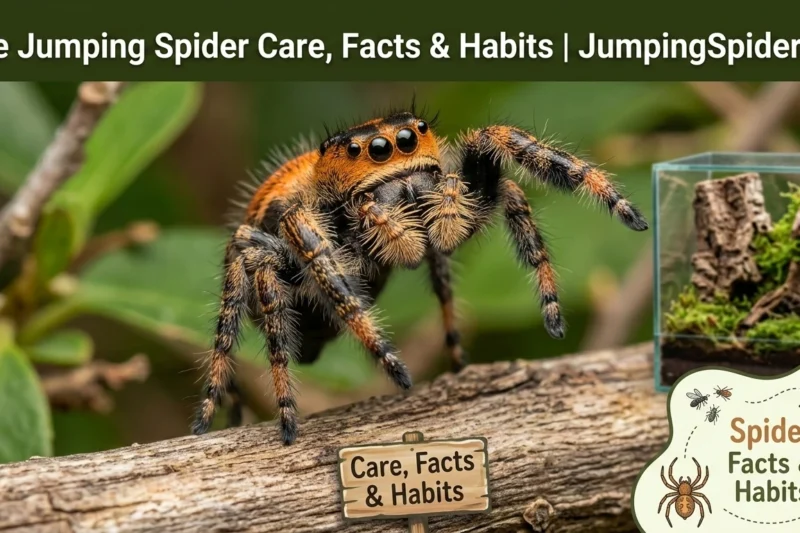
Discover how to care for and observe jumping spiders with our complete jumping spider care guide. Learn to enjoy these tiny, agile wonders of nature, like the fascinating Phidippus regius, and explore their vibrant colors, playful personalities, and unique behaviors. Bring the excitement of their miniature world right into your home terrarium.

Best Feeders for Jumping Spiders
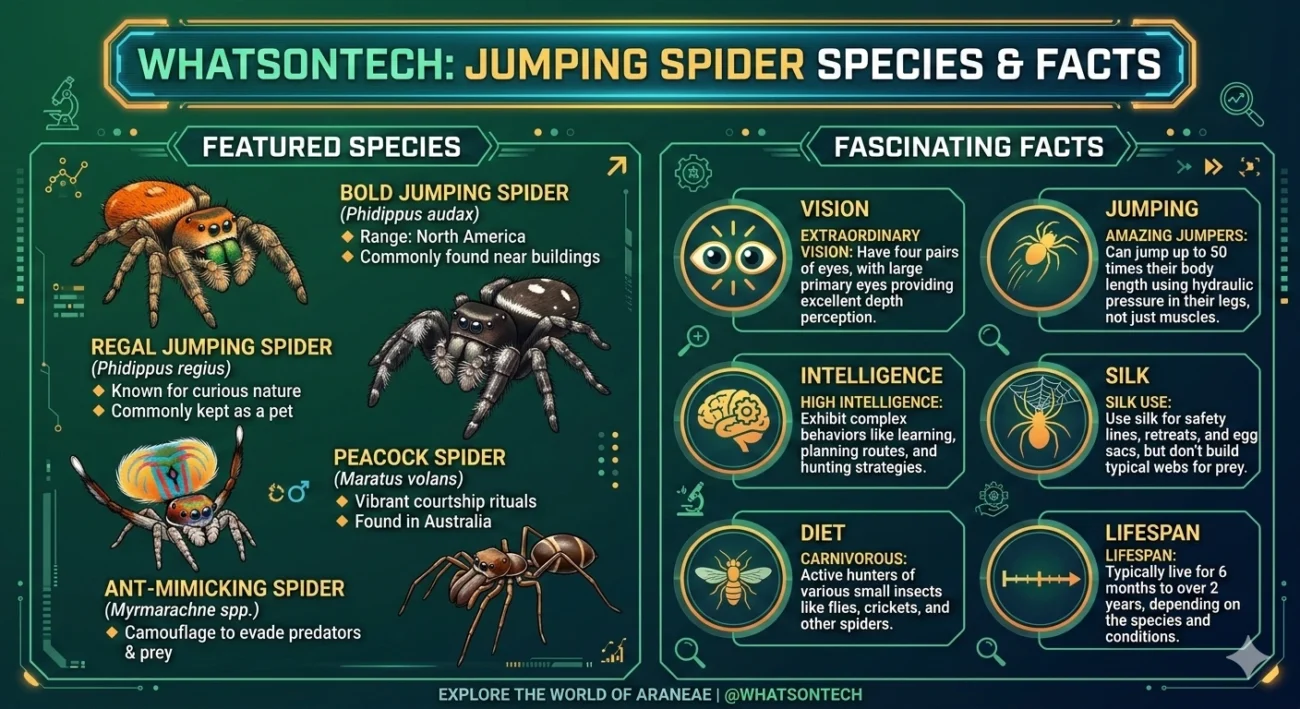
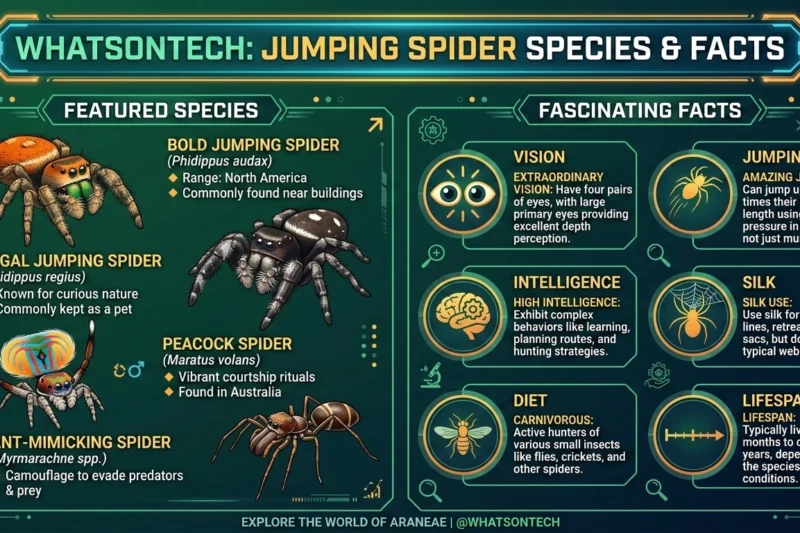
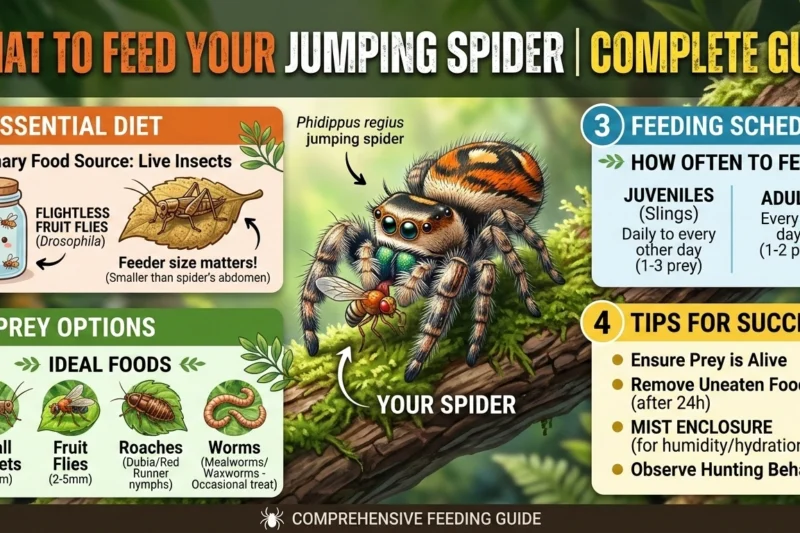
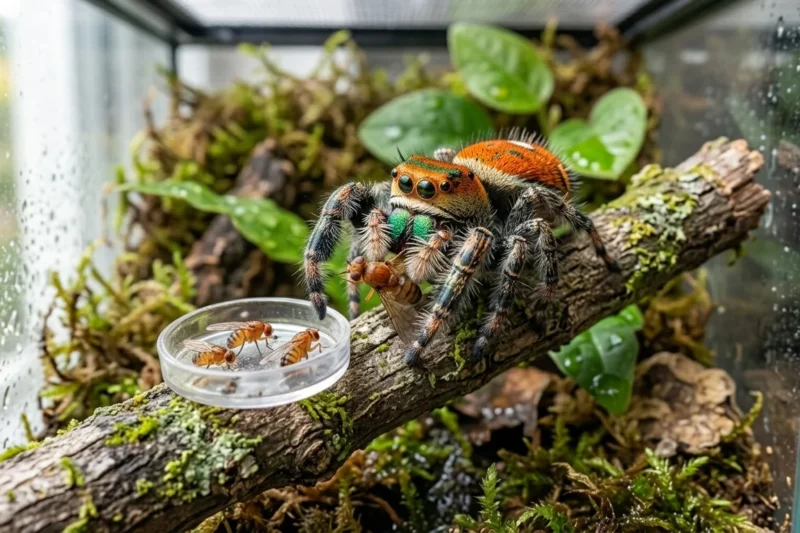
A jumping spider thrives on live insects and other small prey that stimulate its hunting instincts. The best feeders for a jumping spider include fruit flies, small crickets, and pinhead roaches, providing essential nutrition to keep it healthy and active. Always offer fresh, live feeders according to your spider’s size and age to ensure proper growth, vibrant colors, and engaging behavior.
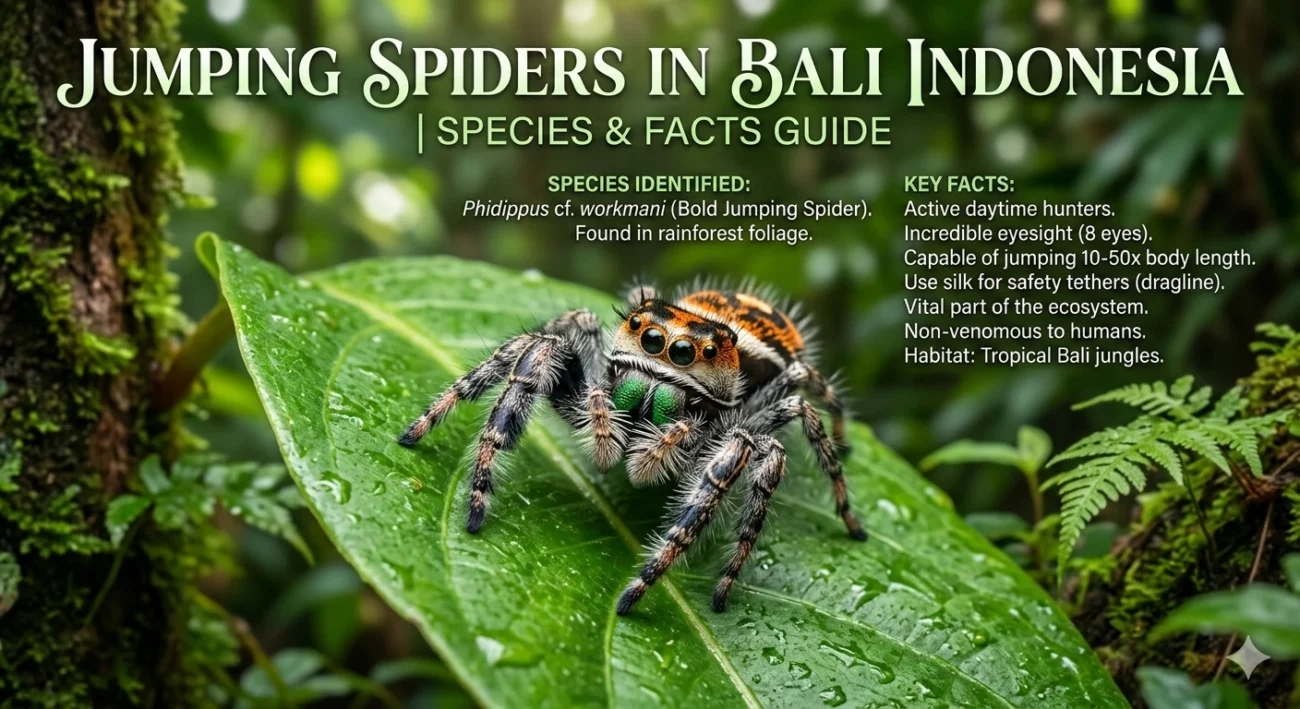
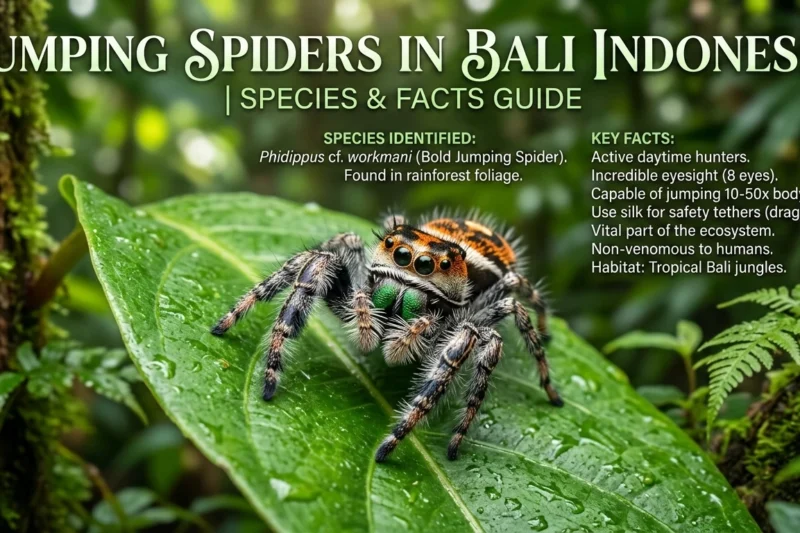
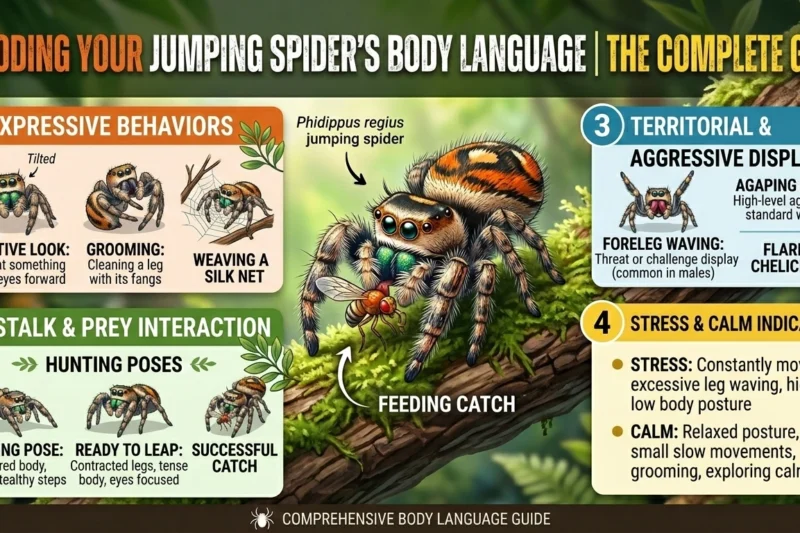
The Bold Jumping Spider is one of the most captivating jumping spider species, admired by hobbyists for its vibrant colors, playful personality, and agile movements. These spiders thrive on live feeders, such as fruit flies, small crickets, and pinhead roaches, which provide essential nutrition to keep them healthy, active, and vibrant. Observing a bold jumping spider’s hunting skills, unique behaviors, and curious nature makes it an exciting addition to any home terrarium, perfect for enthusiasts looking to explore the world of jumping spiders.
Food of Jumping Spider

With professional experience and expertise in observing jumping spiders, I can say they are agile hunters that feed on a variety of feeder insects such as crickets, flies, roaches, meal worms, wax worms, and moths. These spiders have superior vision and use advanced hunting tactics and intelligence to hunt, making them efficient hunters. One famous Pridippus johnsoni, nicknamed Nefertiti, was sent to the International Space Station, where in zero gravity it learned to catch flies and returned back to Earth, a story detailed in the fun book Spidernaut about its journey to learn and hunt in space. Since there are over 6,000 species of jumping spiders, not all eat same things; while most eat plant matter or nectar, some even take bigger insects, small frogs, or lizards, so it’s important to provide safe food and follow proper tips to feed them effectively.

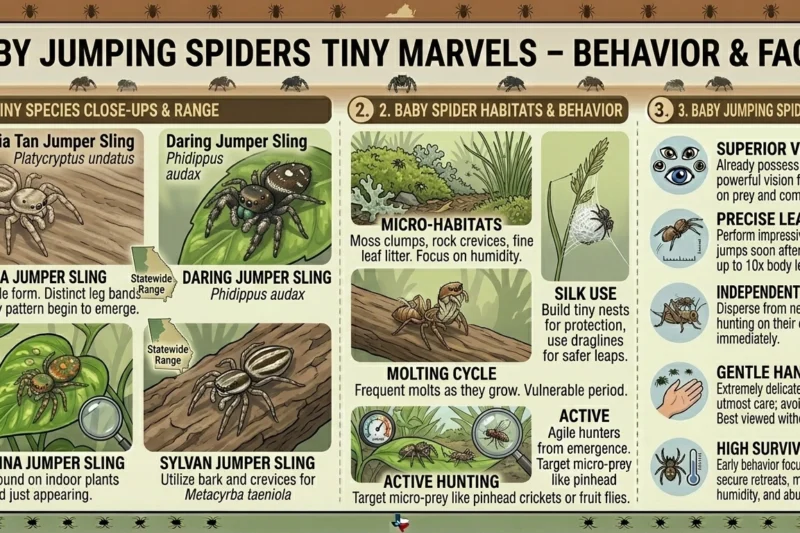
I have professional experience and expertise in observing the life cycle of the jumping spider, particularly in the Salticidae family. During the first stage, the female deposits eggs into a silk web or protected spot, forming an egg sac where they incubate and hatch. The baby jumping spiders, also called spiderlings, begin their early life, gradually learning to hunt and build small silk webs, which is essential for proper spider development. As they grow, the spiderlings progress through stages of spider maturation, finally becoming a fully adult jumping spider with behaviors and instincts known to their species. These stages remain similar across species but can slightly differ, showing how naturally jumping spider growth unfolds from baby to adult.

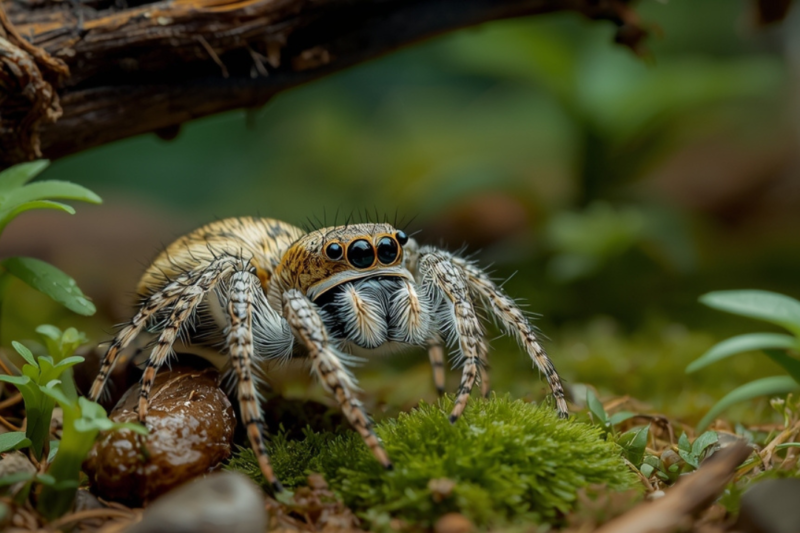
With professional experience and expertise in keeping and observing jumping spiders, I can confidently say the Regal jumping spider (Phidippus regius) is one of the most fascinating species in the United States and Caribbean. The adult male measure around 12 mm (0.47 in) and can range between 6–18 mm (0.24–0.71 in), while the female measure 15 mm (0.59 in) with a range of 7–22 mm (0.28–0.87 in).

Imagine a tiny, vibrant creature perched on a leaf, its large, expressive eyes tracking every movement around it. The Bold Jumping Spider is not just another spider it’s a master of observation, agility, and curiosity. With its agile leaps and playful personality, it captivates anyone who watches. Whether you’re a first-time pet owner or an experienced hobbyist, understanding its diet, habitat, and behavior is essential to ensure it thrives.

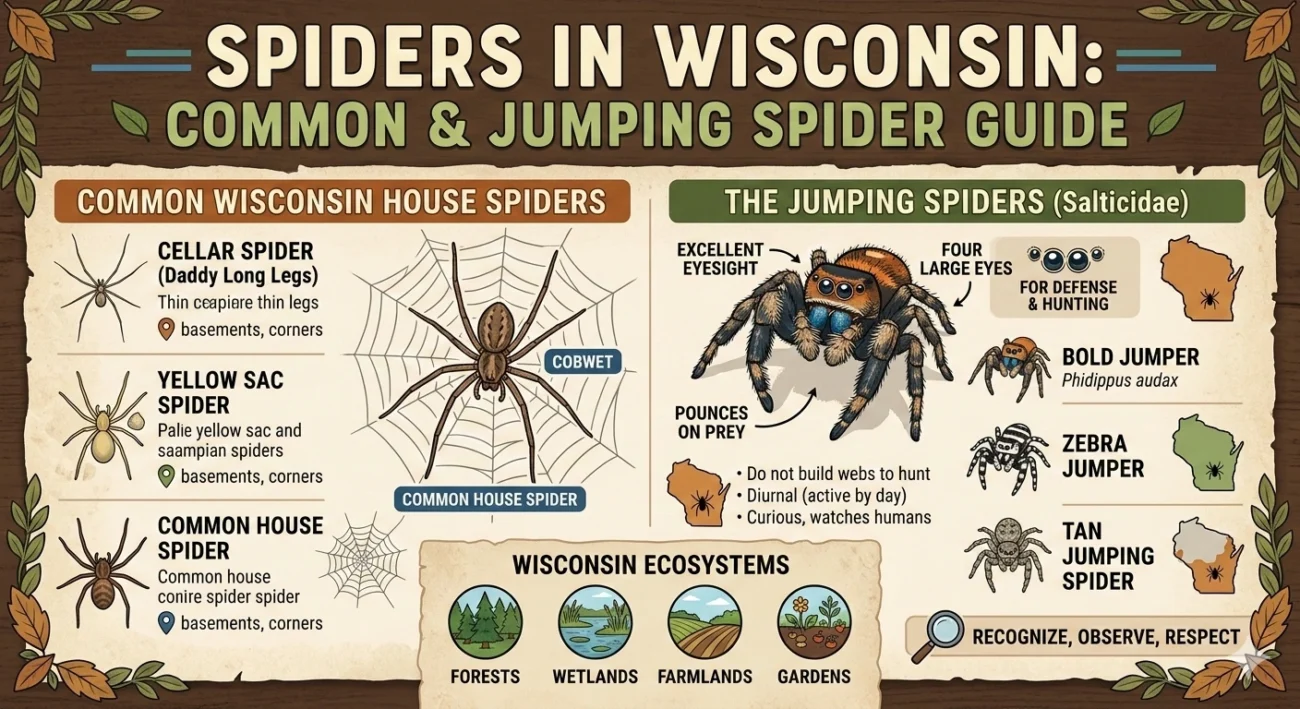
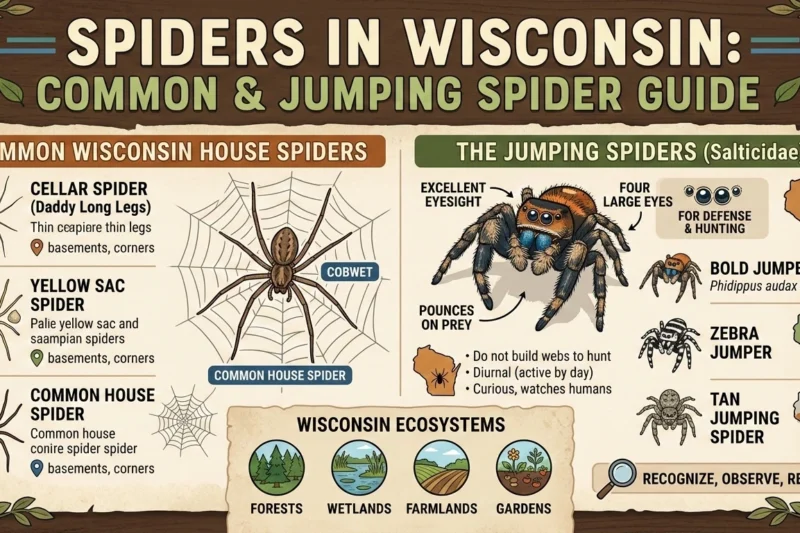
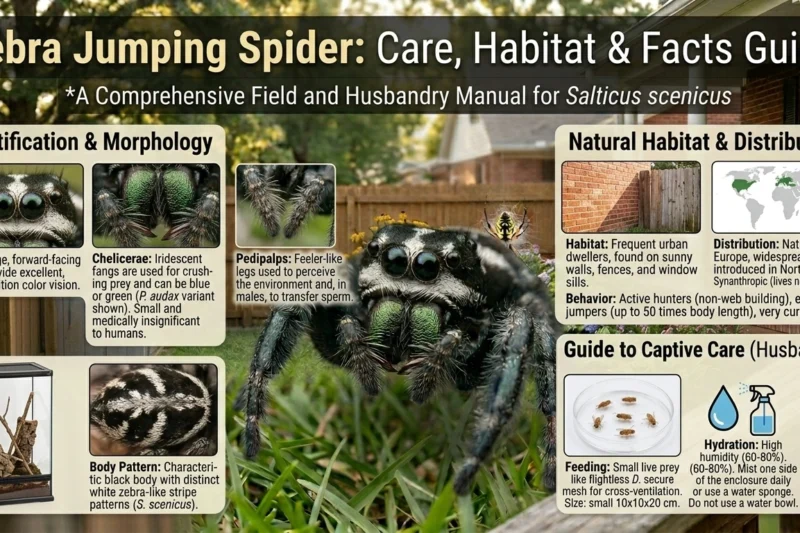
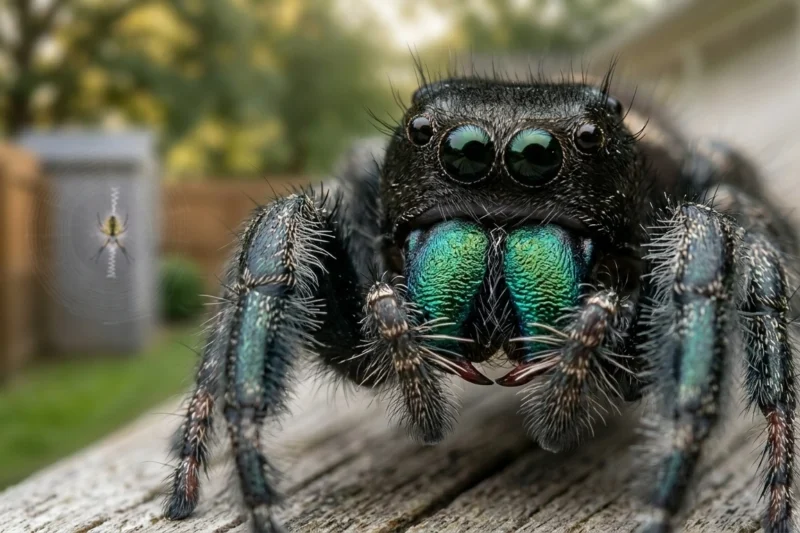
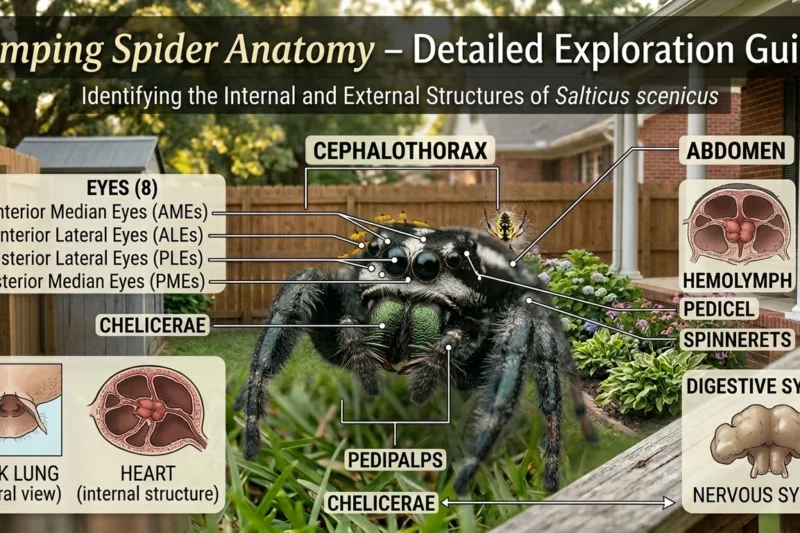
The Zebra Jumping Spider (Salticus scenicus) is a small, energetic, and captivating spider popular with both beginners and experienced keepers. Its distinctive black-and-white stripes make it easily recognizable, while its curious and lively behavior keeps observers fascinated. Unlike web-building spiders, it actively hunts prey, demonstrating remarkable intelligence and agility.

Johnson’s Jumping Spider is one of the most expressive, intelligent, and active species that keepers highly admire for its fearless personality and lively behavior. Its curious nature, large forward-facing eyes, and quick, precise reactions allow it to explore and interact with its surroundings in fascinating ways, often creating a strong bond with observers.